New Techniques to Discover Lunar Ice Using Moonquakes
A team of geologists proposes a new method to locate hidden lunar ice by analyzing seismic waves from moonquakes, providing insights for future lunar missions.
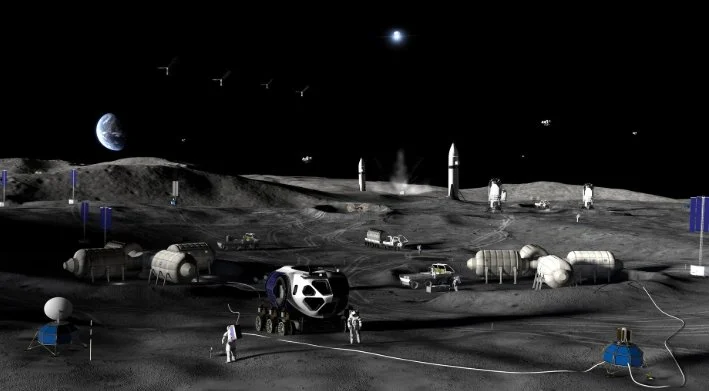
A team of geologists has introduced an innovative method for detecting hidden ice on the Moon by analyzing seismic waves generated from moonquakes. This approach aims to uncover deposits that lie beneath the lunar surface, which are not visible through conventional imaging techniques.
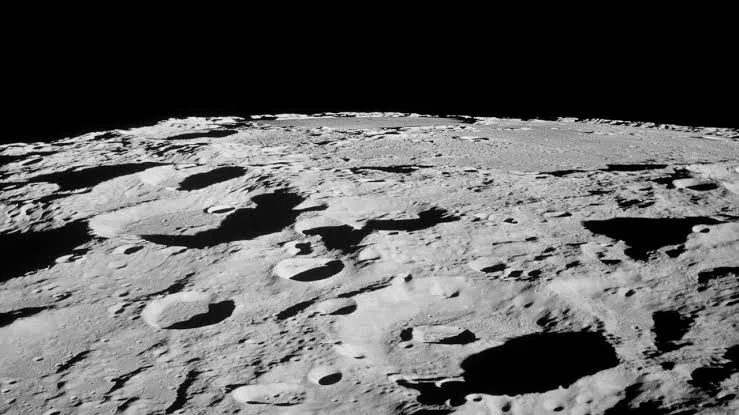
The lunar surface presents a stark and inhospitable landscape that scientists believe may conceal significant amounts of water ice beneath a layer of regolith. Identifying these hidden reservoirs requires specialized mapping techniques, prompting researchers to develop an alternative method that utilizes the seismic vibrations produced by moonquakes.
Understanding the Source of Lunar Water
The origin of lunar water remains partially enigmatic. Leading theories suggest that ice may have reached the poles and other regions through impacts from comets or asteroids, or it could have been brought to the surface via internal volcanism, solar wind, or meteorite showers that trigger chemical reactions releasing water molecules.
Evidence gathered from Apollo-era rocks and missions such as Chang’e 5, SOFIA, and Chandrayaan indicates that much of this water has accumulated over millions or billions of years, rather than from a singular impact event. Some studies even propose that a portion of lunar water may date back to the Moon's formation, which resulted from a collision between the early Earth and a Mars-sized body.
The Importance of Lunar Ice
For the upcoming Artemis missions and potential human outposts on the Moon, the presence of frozen water will be crucial. It can provide drinking water, oxygen, and even rocket fuel, significantly reducing the need to transport supplies from Earth.
Nicholas Schmerr from the University of Maryland, a co-author of the study, emphasizes the importance of locating every possible resource on-site, particularly for long-duration missions. Additionally, deposits preserved in permanently shadowed craters may contain “fossil” ice from the early Solar System, which could offer insights into the formation of water on Earth itself.
Seismic Waves as Indicators
On Earth, seismic waves travel at varying speeds depending on the material they traverse, influenced by density and elasticity. This principle applies to the Moon as well; when a seismic wave passes through an area rich in ice, it can travel two to three times faster than through a region composed of dust or sand, resulting in a distinctive “bounce” from the interaction with denser materials. Schmerr notes that by analyzing this bounce, researchers can not only confirm the presence of ice but also estimate its quantity.
Three Methods for Verification
Led by Harrison Lisabeth of the Lawrence Berkeley National Laboratory, the research team tested three methodologies: X-ray imaging of frozen volcanic rocks from Arizona, which served as an analog for lunar regolith; thermal models of polar regions where ice remains undisturbed by sunlight; and computer simulations of small moonquakes. All three methods yielded clear signals indicating the presence of ice. Recent spectroscopic data suggest a concentration of between 100 and 400 mg of water per gram of lunar soil. The next step involves identifying deposits that can be practically utilized: the Chinese Chang’e-7 mission will deploy a seismometer near the Shackleton crater, while the 2028 Artemis mission plans to install a lunar environmental monitoring station capable of conducting similar seismic studies.