In the Heart of the Earth to Prepare for Space: CAVES Expedition Concluded
The CAVES expedition, an intensive astronaut training course, has concluded, simulating the challenges of spaceflight in the Matese Caves. Learn about the mission and its significance for future space exploration.
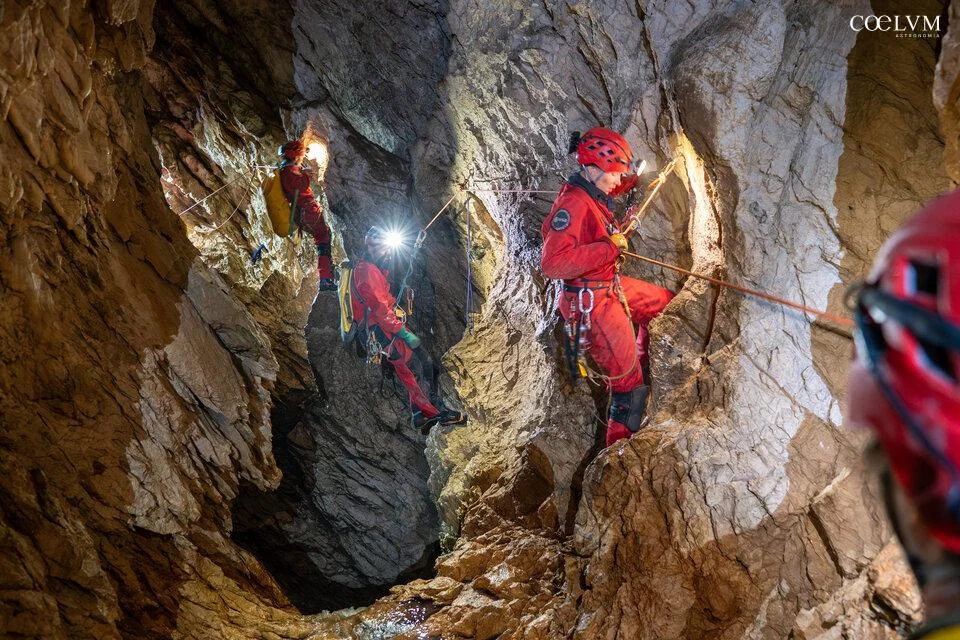
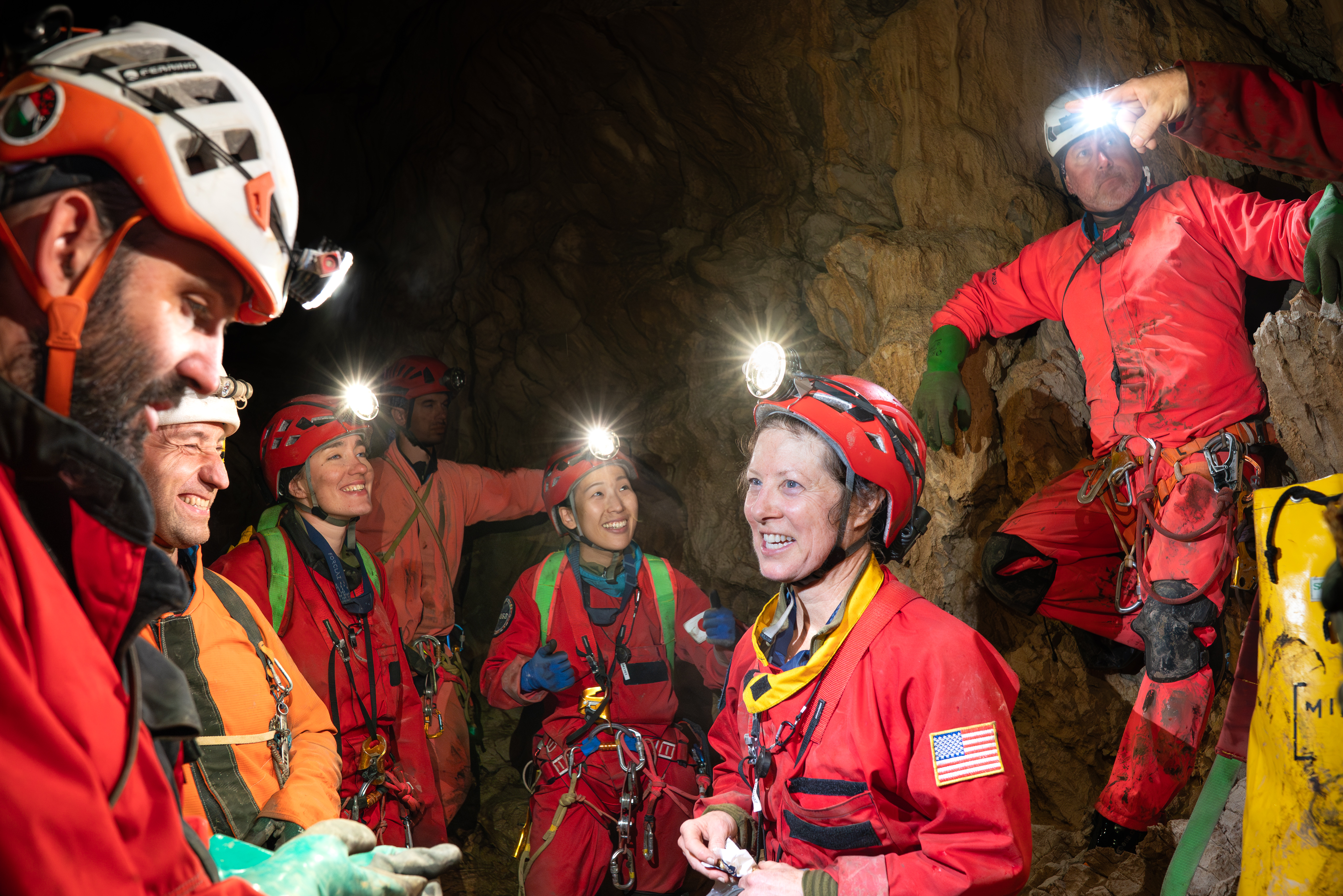
The CAVES expedition (Cooperative Adventure for Valuing and Exercising human behaviour and performante Skills) has just concluded with an official ESA announcement (01/07/2026). This intensive training course for astronauts took place in the Matese Caves, located in the Apennines between Campania and Molise.
The team selected for this mission included astronauts from three different space agencies:
- Rosemary Coogan, ESA astronaut
- John McFall, ESA astronaut and key member of the ESA Fly! project
- Tracy Dyson, NASA astronaut
- Ben Bailey, NASA astronaut candidate
- Ayu Yoneda, JAXA astronaut
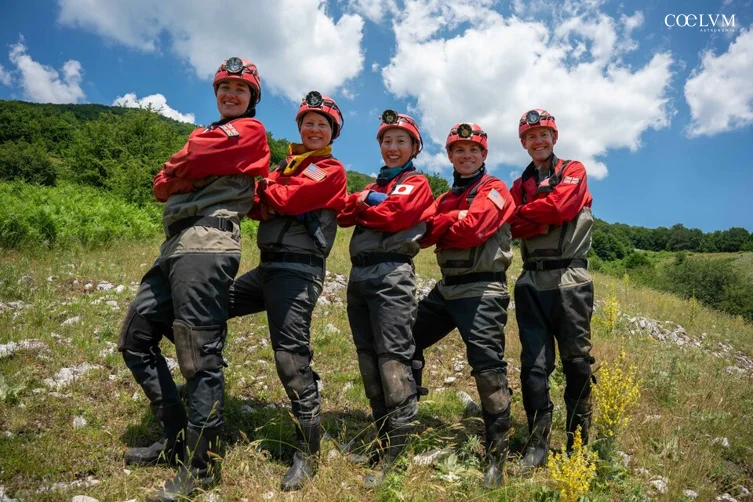
The CAVES program began in 2011. Over the past two years, the courses have taken place in the Matese Apennines, and with the latest expedition, the eighth mission of the program has been completed.
CAVES represents a crucial step for many astronauts; they have defined it as one of the best experiences to help prepare for spaceflight. Until December 2025, ESA was the only agency providing this type of training; however, at the end of last year, the Chinese space agency also organized a mission similar to CAVES, successfully completing the training of its taikonauts.
Why in the Caves?
With a total duration of two weeks, CAVES provides the best simulation currently available of the physical and psychological difficulties and stress that astronauts will face aboard the ISS. The crew is indeed required to maintain constant situational awareness, keep track of all equipment, and communicate periodically with the ground team, thus replicating operational dynamics.
In addition to the conditions of isolation and confinement, participants must contend with limited resources, not only in terms of food and water but also hygiene and comfort. However, this does not mean that astronauts are left to fend for themselves inside the caves; rather, to accurately reproduce the space routine, the crew can communicate twice a day with the surface base and request items from a predetermined list. Supplies are then delivered in exchange for an equivalent weight of trash and unusable equipment.
The underground environment also deprives astronauts of the day-night cycle and real privacy, exposing them to constant risks. Even in this context – analogous to what happens in space – group cohesion and adherence to a well-established hierarchy become essential for conducting scientific activities and exploration safely.
Also Onboard is the Fly! Project
Among the astronauts engaged in the caves, one name stands out: John McFall. A former Paralympic athlete and orthopedic surgeon, McFall had a leg amputated after a car accident and is now the key figure in the Fly! project of ESA.
The goal of Fly! is ambitious: to assess whether people with physical disabilities can become operational astronauts and to establish the necessary modifications to make future space modules accessible. Currently, the program focuses on John's specific disability, namely lower limb amputation, although among future objectives is the intention to extend such studies to other types of handicaps.
Following his selection in 2022 for the ESA Astronaut Reserve, the Agency initiated the feasibility study for the Fly! project, which remains at its core today.
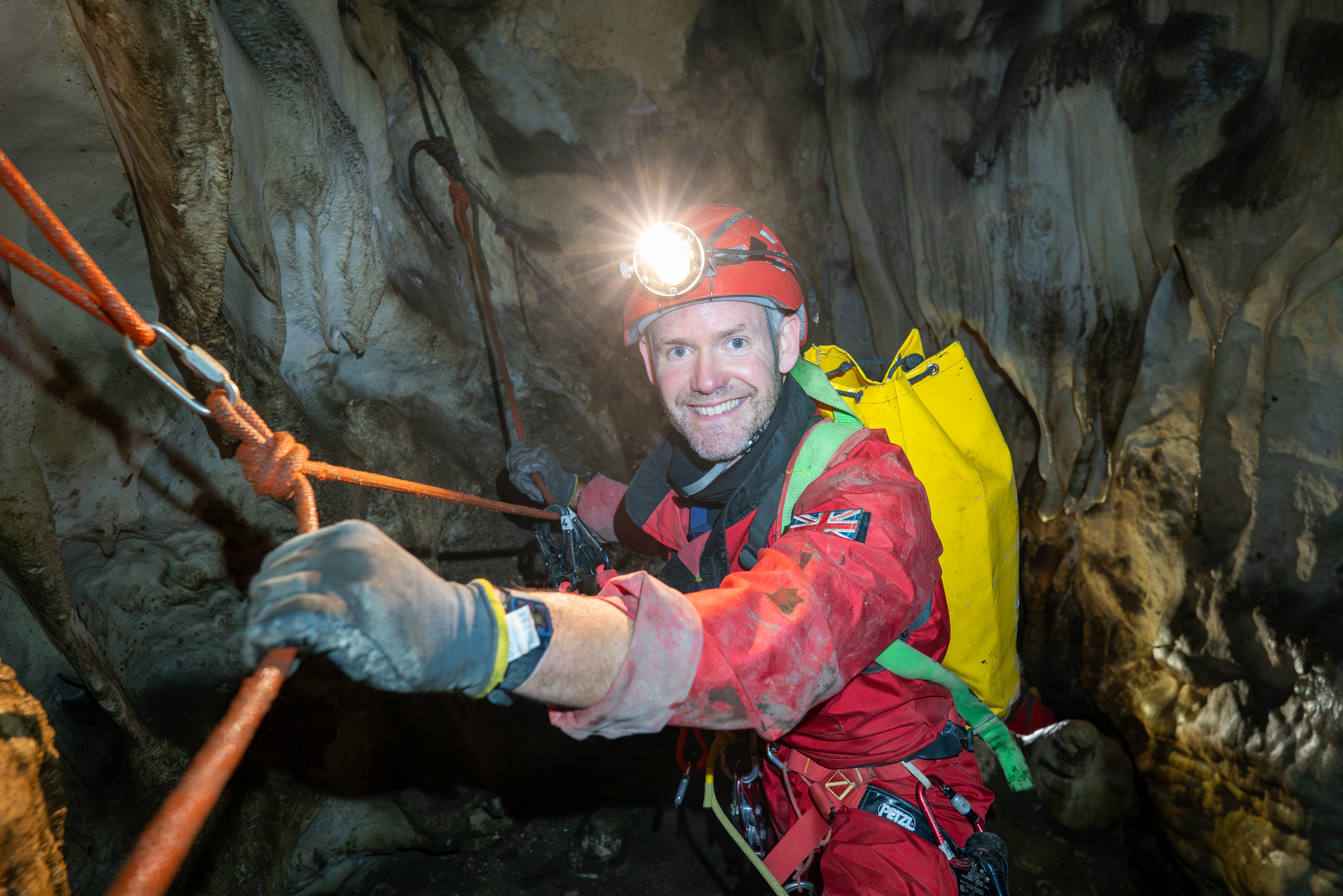
Expedition Timeline
Creating a united team ready to manage unforeseen events similar to those faced aboard the International Space Station requires preparation. For this reason, before entering the complex tunnel system of the Matese Apennines, astronauts dedicated five days to intensive outdoor training.
During this preparation, participants began to get to know each other and study safety protocols, learning exploration, orientation, and underground topographic surveying techniques. They also learned to use ropes for climbing, document the cave environment with photographs and mapping, and collect scientific samples.
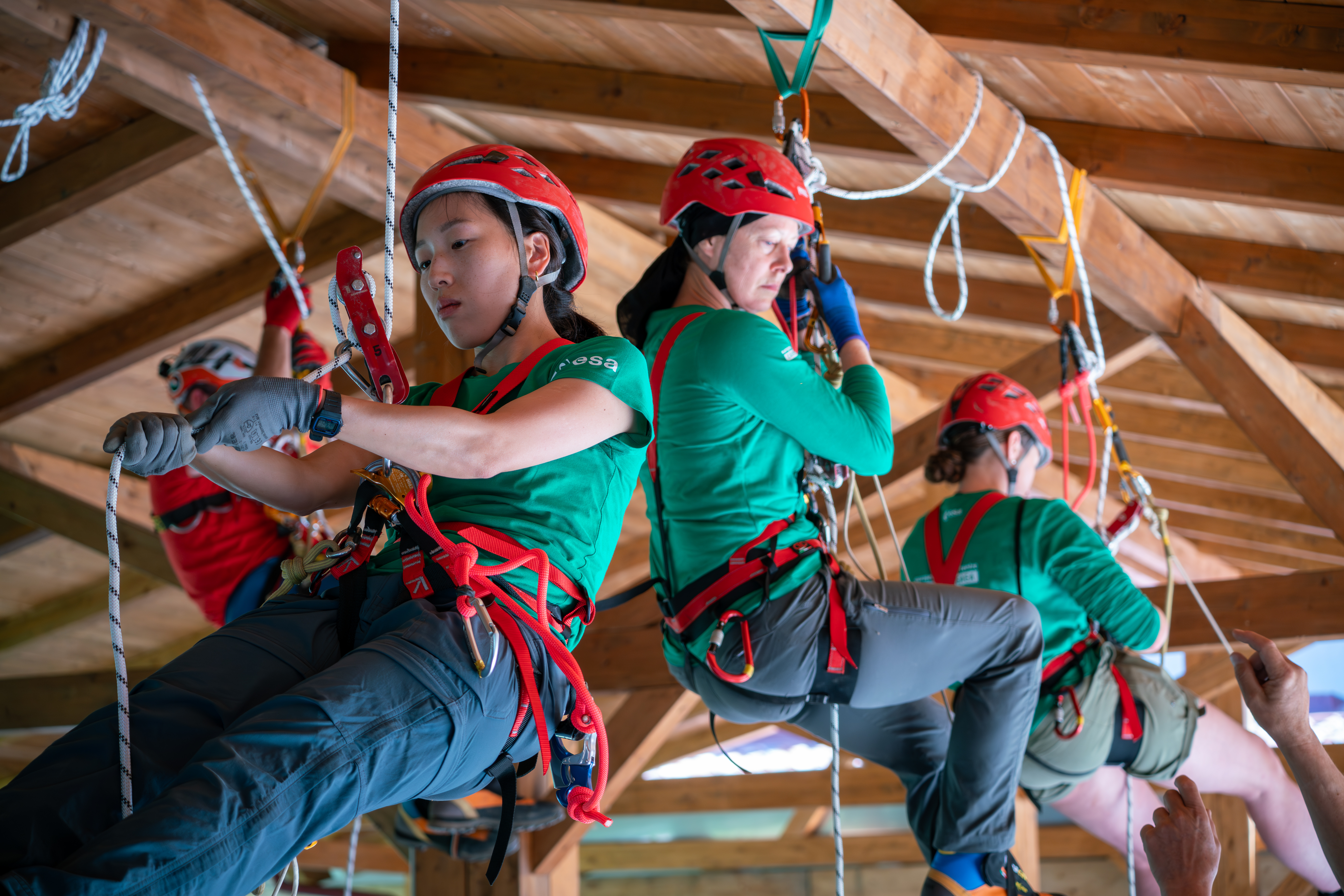
Just like during a spacewalk, astronauts had to learn to manage safety lines to remain anchored, moving with their vision limited to the beam of light from their headlamps. At this stage, they also received essential guidance on how to work in groups, resolve conflicts, make operational decisions, and ration supplies.
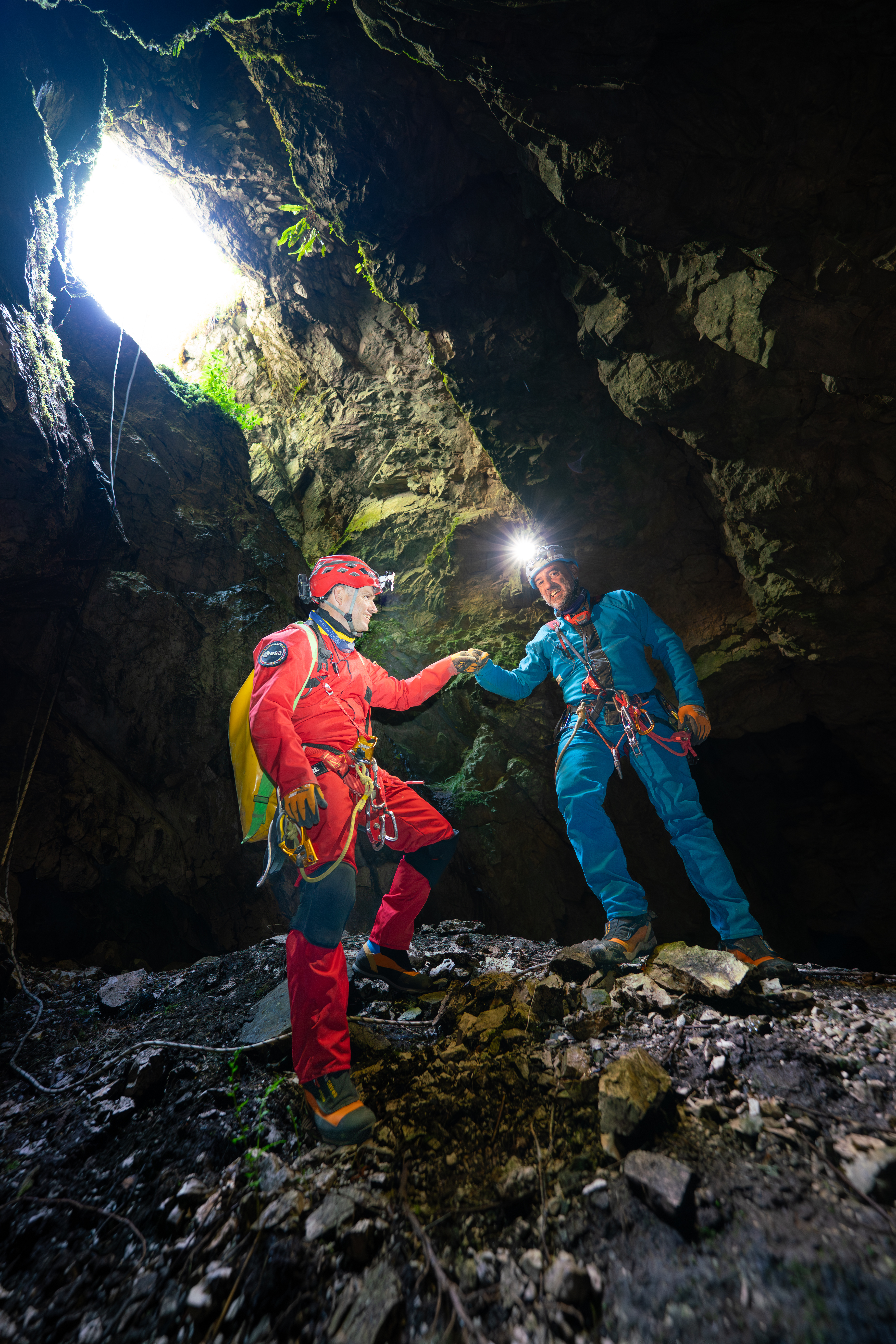
After completing outdoor preparation, the team embarked on the actual expedition underground, following instructors and safety personnel along an underground route of about five hours. Utilizing the climbing techniques learned in the previous days, astronauts reached the base camp where they set up tents that would be their home for the next six days.
At the beginning of the expedition, operational roles were assigned: for the first time in the program's history, command was given to two women, Rosemary and Ayu, while the other members took care of logistics and scouting activities, swapping tasks halfway through the mission.
Each underground day began with a morning briefing where participants planned scientific activities and explorations to be carried out, and concluded with a second evening meeting to discuss achieved objectives and set the work for the following day. This analysis moment allowed the team to understand how to improve, learning from their mistakes and refining group strategies.
On the eleventh day, astronauts finally emerged from the caves. Immediately after the ascent, the crew experienced a strong sensory overload, similar to that felt by colleagues returning from a space mission. After spending several days in total absence of odors and without sunlight, the sudden return to the surface caused a sort of physiological shock to the body.
Although they had left the underground environment, the expedition required participants to dedicate the last two days to the final debriefing. In this concluding phase, they gathered feedback on the experience, drafted technical reports, presented the scientific results obtained, completed the last experiments, and returned all the equipment used.