In April 2029, Asteroid Apophis Will Pass Close to Earth: Scientists Warn of Potential Impacts
In April 2029, asteroid Apophis will pass close to Earth, but space debris in geostationary orbit could complicate scientific observations. Scientists are studying potential impacts.
In April 2029, Asteroid Apophis Will Pass Close to Earth: Scientists Warn of Potential Impacts
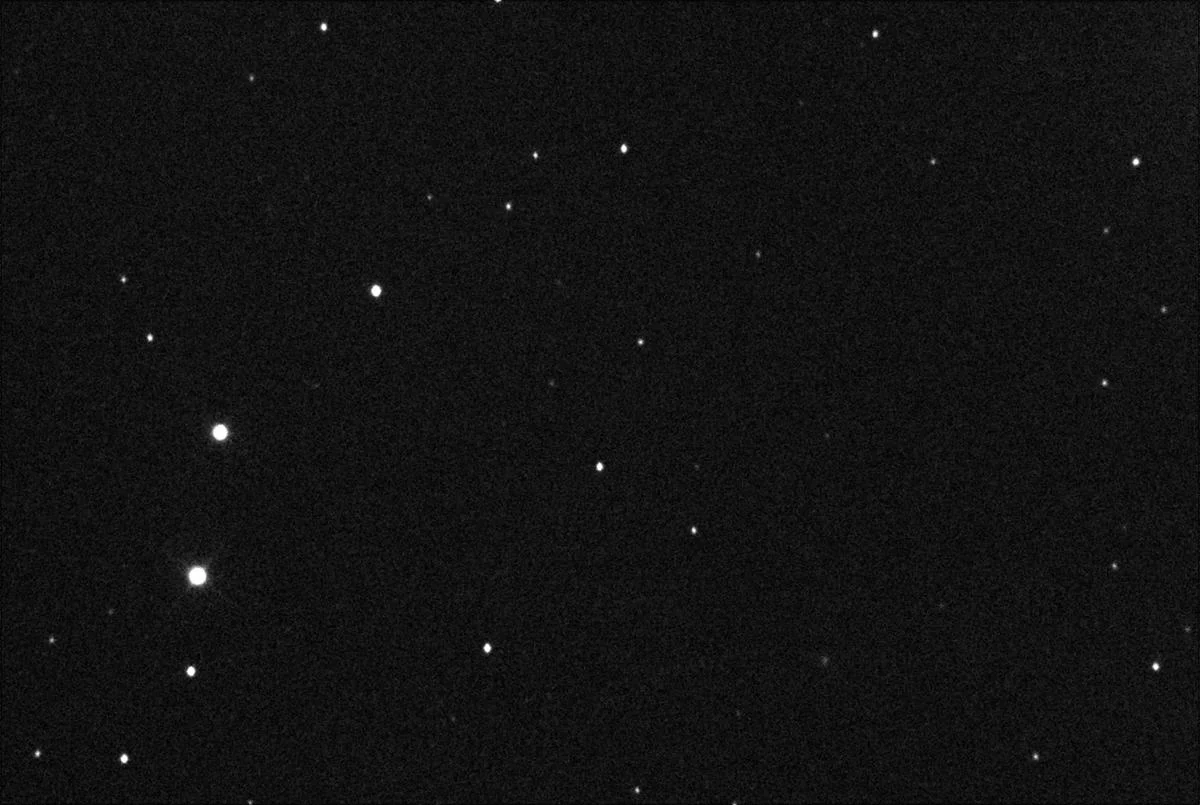
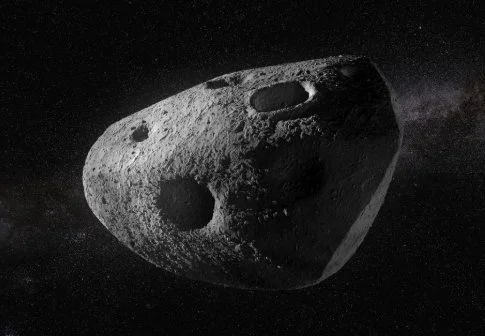
The asteroid 99942 Apophis, measuring approximately 370 meters in length, is set to make a close approach to Earth, passing within 32,000 kilometers of our planet. Scientists have meticulously calculated its trajectory and are confident that Apophis poses no threat to Earth.
But Is Earth a Threat to Apophis?
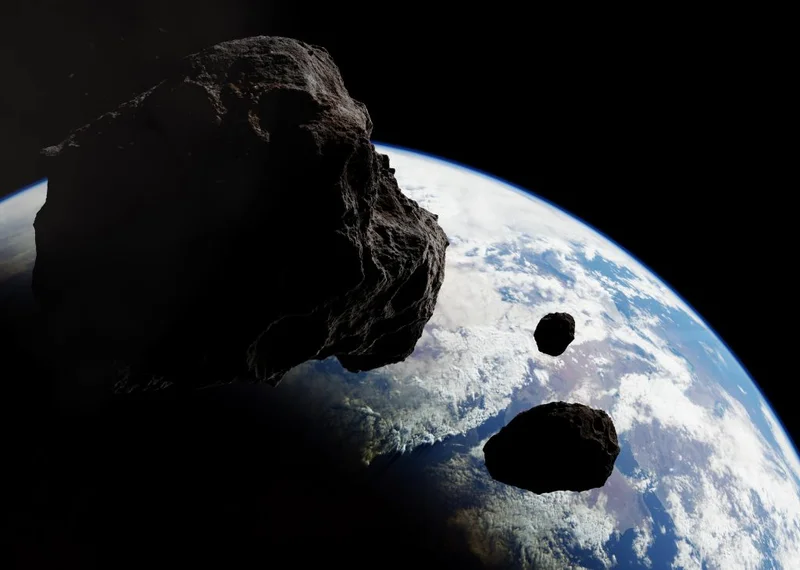
A recent study raises a critical question: could humans jeopardize this rare scientific opportunity? The concern lies in the amount of space debris orbiting Earth. Physicists Giulia Schettino and Alessandro Rossi from the CNR's Nello Carrara Institute of Applied Physics have investigated whether the accumulation of space junk could interfere with Apophis's close encounter. Rossi, who specializes in both space debris and asteroid dynamics, expressed his curiosity about the potential for interactions between the asteroid and the extensive population of artificial waste in orbit.
A Unique Scientific Opportunity
During its close approach, Earth's gravity will exert enough force to alter Apophis's rotation, potentially causing landslides and even quakes on the asteroid, which could unveil what lies beneath its surface. Two space missions are poised to observe this event closely: ESA's RAMSES probe and NASA's OSIRIS-APEX. However, accurately interpreting these changes becomes significantly more challenging if Apophis experiences an unexpected impact before the arrival of the probes.
An Unexpected Finding
Researchers initially anticipated few reasons for concern, as most debris orbits much closer to Earth than Apophis's trajectory. Rossi admitted he expected a "null experiment", meaning no possible interactions. However, simulations that modeled the asteroid's path alongside the population of geostationary orbit (GEO) objects, located about 36,000 kilometers above the Earth, revealed an unexpected outcome: there is a tangible, albeit small, chance that a GEO object could collide with Apophis.
Not a Repeat of DART
This scenario is distinct from NASA's DART mission, which intentionally altered the orbit of the asteroid Dimorphos by crashing a spacecraft into it in 2022. The concern is not that debris could significantly change Apophis's trajectory; rather, the impact itself would not be catastrophic, and a small crater or cloud of debris might even yield additional observational data. The primary issue is that an unexpected impact would complicate the task of distinguishing between changes caused by Earth's gravity and those caused by debris collisions. Rossi clarified that no impact would substantially alter the asteroid's orbit; the most likely outcomes would be the formation of a small crater and a cloud of ejected material, both of which could be detectable by the probes. Instruments that RAMSES will deploy on the surface, such as gravimeters and seismometers, might even capture the impact signal.
No Risk of a Chain Reaction
Rossi also dismissed concerns about a Kessler syndrome, the cascading collisions that plague low Earth orbit; the geostationary region is far less congested. Therefore, even if fragments were expelled from Apophis, the likelihood of them striking other objects is minimal.
How Much Do We Really Know About Space Debris?
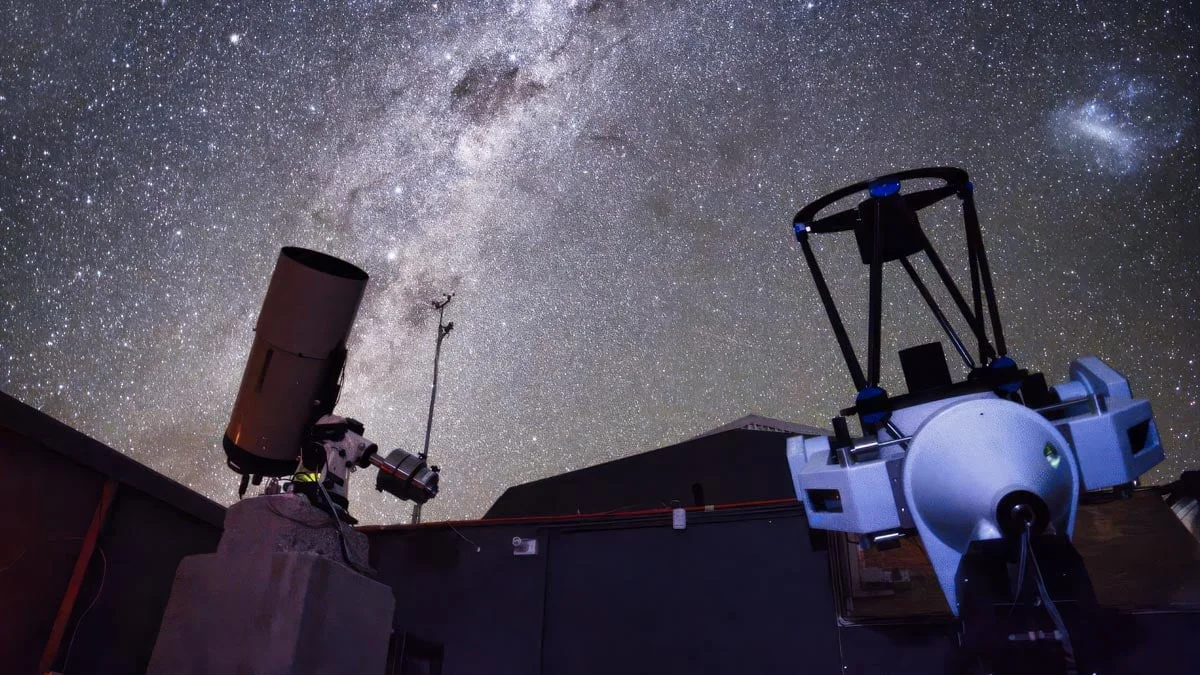
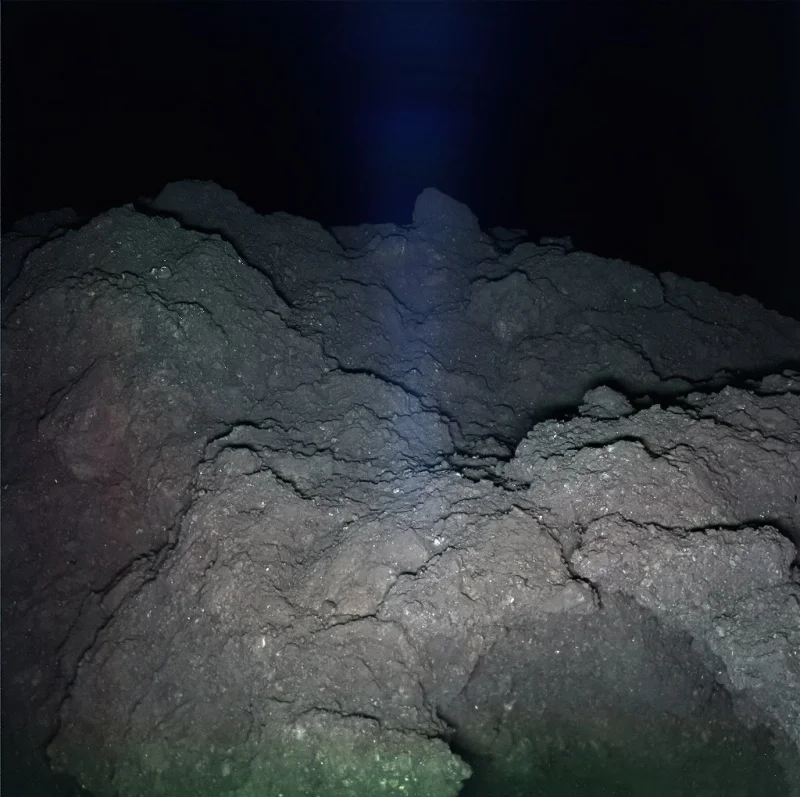
The study highlights how little we understand about the population of small debris in high orbits. While larger objects are regularly tracked, many smaller fragments remain virtually invisible. Rossi hopes that Apophis's passage will spur a more comprehensive census before 2029, aided by new surveillance telescopes that the EU Space Surveillance System will introduce in the coming years, aimed at enhancing our understanding of high-orbit debris populations.
Source:
- https://iopscience.iop.org/article/10.3847/PSJ/ae5dc3