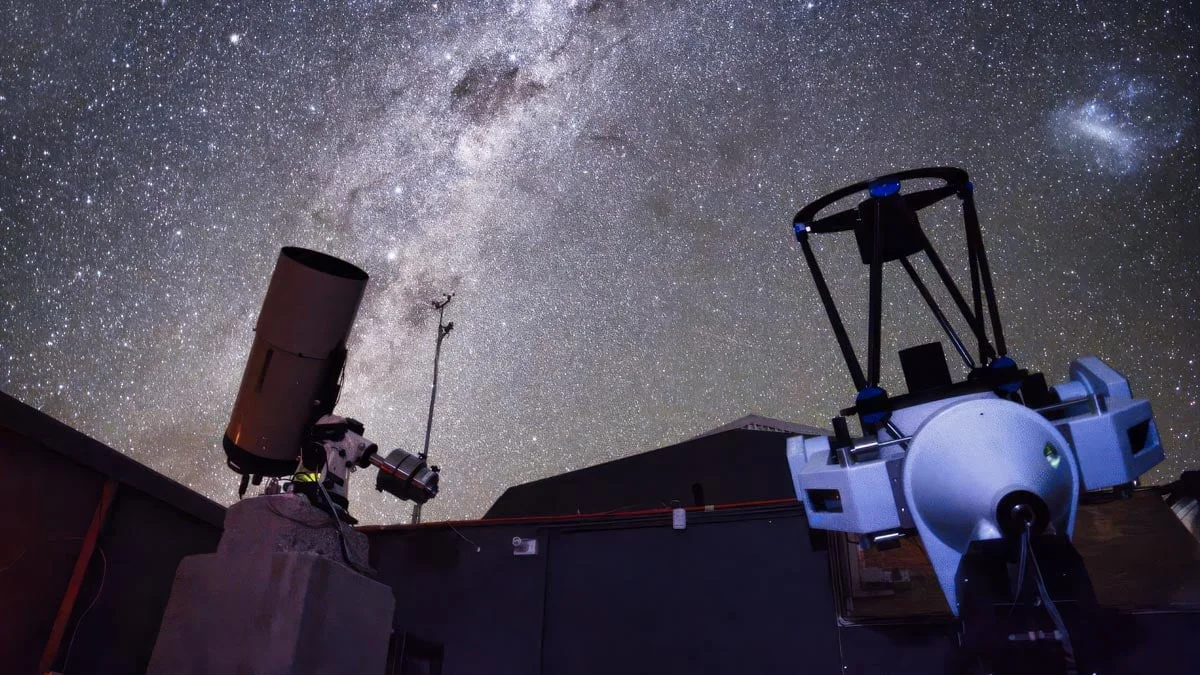
Addressing Light Pollution: Steps We Can Take
As light pollution increases, it's becoming harder to see the stars. Discover practical steps to reduce light pollution and protect our night skies.
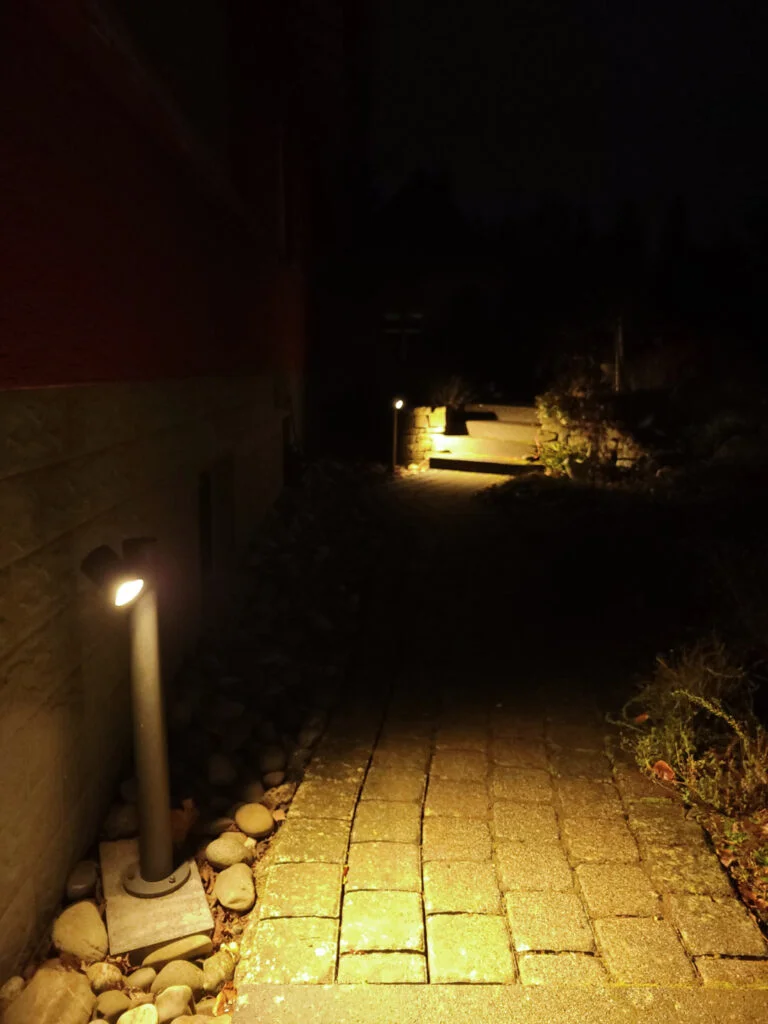
The sight of brightly lit facades and streetlights has become an everyday experience for many. As we stroll through our neighborhoods in the evening, the glow from shop windows and billboards dominates the landscape, making it increasingly difficult to appreciate the beauty of the night sky.
Unfortunately, light pollution is on the rise globally, and in the near future, we might need to travel significant distances to witness the stars. For many children, the night sky may soon exist only in stories or AI-generated images. However, everyone can play a role in combating light pollution.

Many may not realize how various light sources in our daily lives contribute to the brightening of the night. I was once among them, viewing light as an always-available resource, aesthetically pleasing and virtually cost-free. Illuminated homes and cities symbolize progress and prosperity, and it never occurred to me that this might disturb the night.
My perspective has changed, and I now actively try to reduce unnecessary lighting in the evenings. You can do the same!
How Can I Combat Light Pollution?
Take a moment to assess the lighting around your home. Does the front door need to be illuminated all night? Is the stairwell light required to be on continuously? Consider the exterior facade—while it may look attractive, it serves no purpose when you are inside your living room. If you have motion sensors, do they activate for every passing car? This is an easily fixable issue.
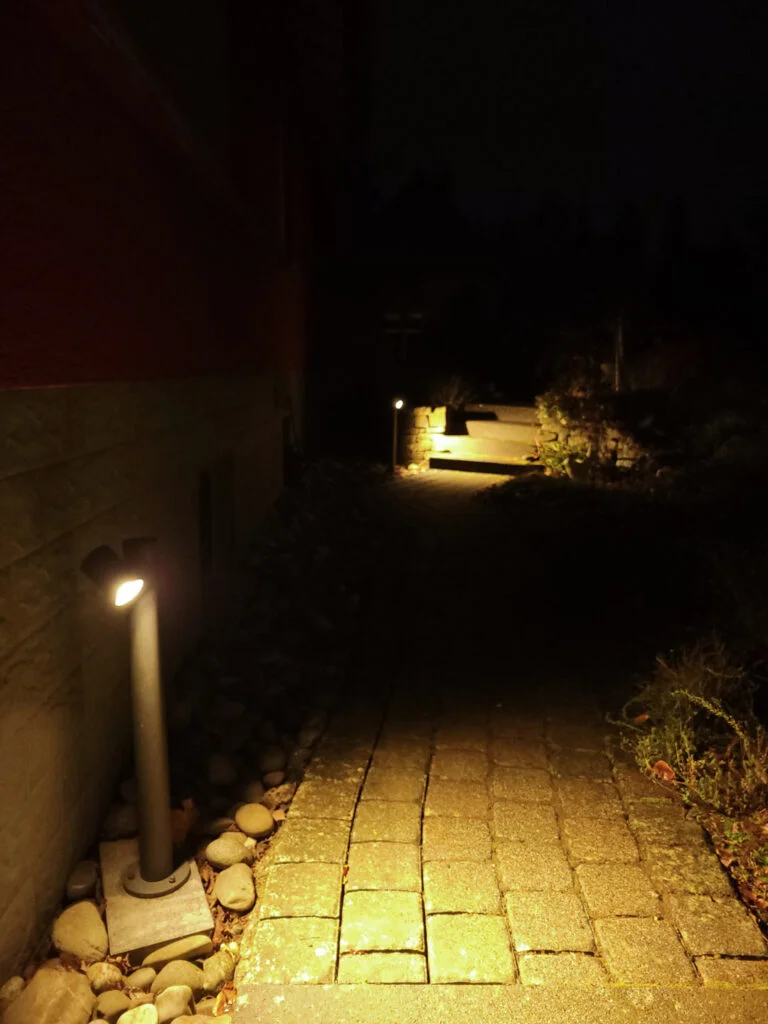
Think carefully about where and how you require light. For instance, the path to the garbage bins can be lit with a light that shines only downward. The same principle applies to pathway lights; the route to your front door doesn’t need to be illuminated throughout the night. Utilizing motion sensors and timers can ensure that lights are only on when needed, saving both energy and money. Additionally, do you really need spotlights that shine on your garden trees? This only contributes unnecessary light to the night sky.
Another often-overlooked aspect is the color temperature of outdoor lighting. Frequently, outdoor lights are too cool, which can be harsh and attract insects that may perish at the fixtures. Cool light can also disrupt our sleep, signaling to our bodies that it is still daytime. When selecting outdoor lighting, aim for a warm color temperature (2200 – 2700 K). Some manufacturers even label their bulbs as "insect-friendly." However, the best way to protect insects remains simply turning off the lights.
Further Resources
In a related podcast, astrophotographers Sven and Tobi engage with Manuel Phillip from the organization "Paten der Nacht" to discuss the importance of genuine darkness and the impact of light pollution.
The Paten der Nacht also provides a brief guide on what to consider for outdoor lighting.