A Star Consumed by a Black Hole in the Eridanus Constellation
Astronomers have observed a star being absorbed by a supermassive black hole in the Eridanus constellation, revealing unprecedented details about tidal disruption events.
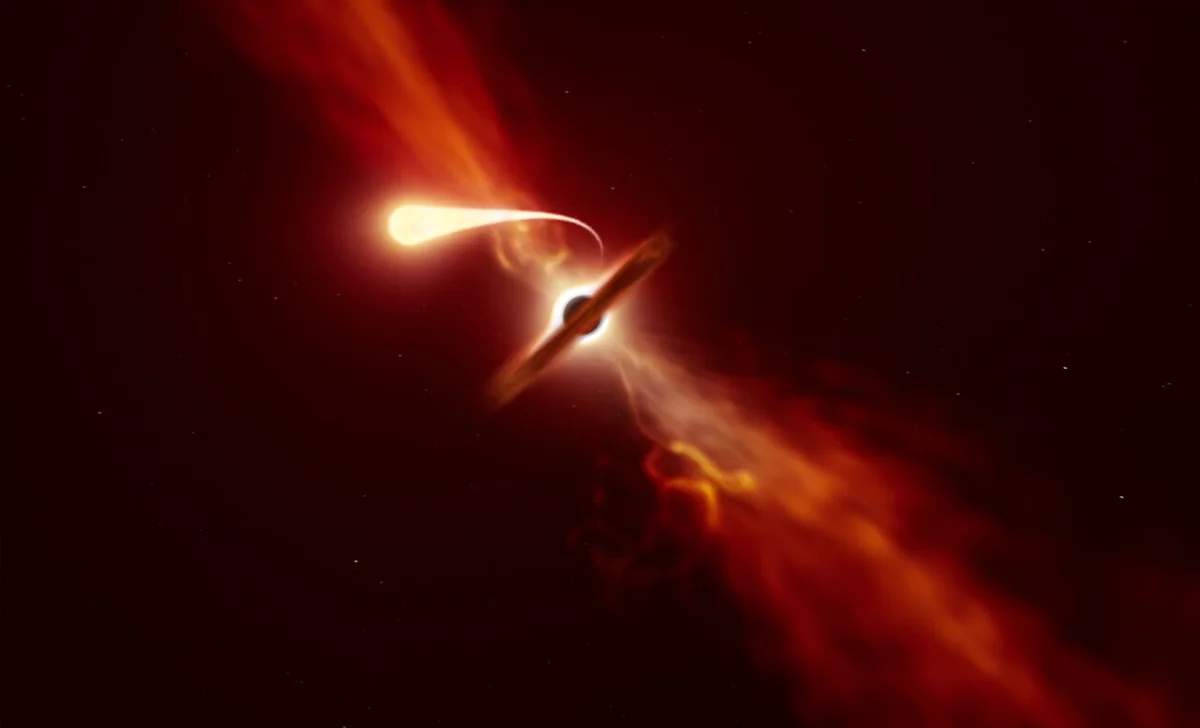
A Star Consumed by a Black Hole
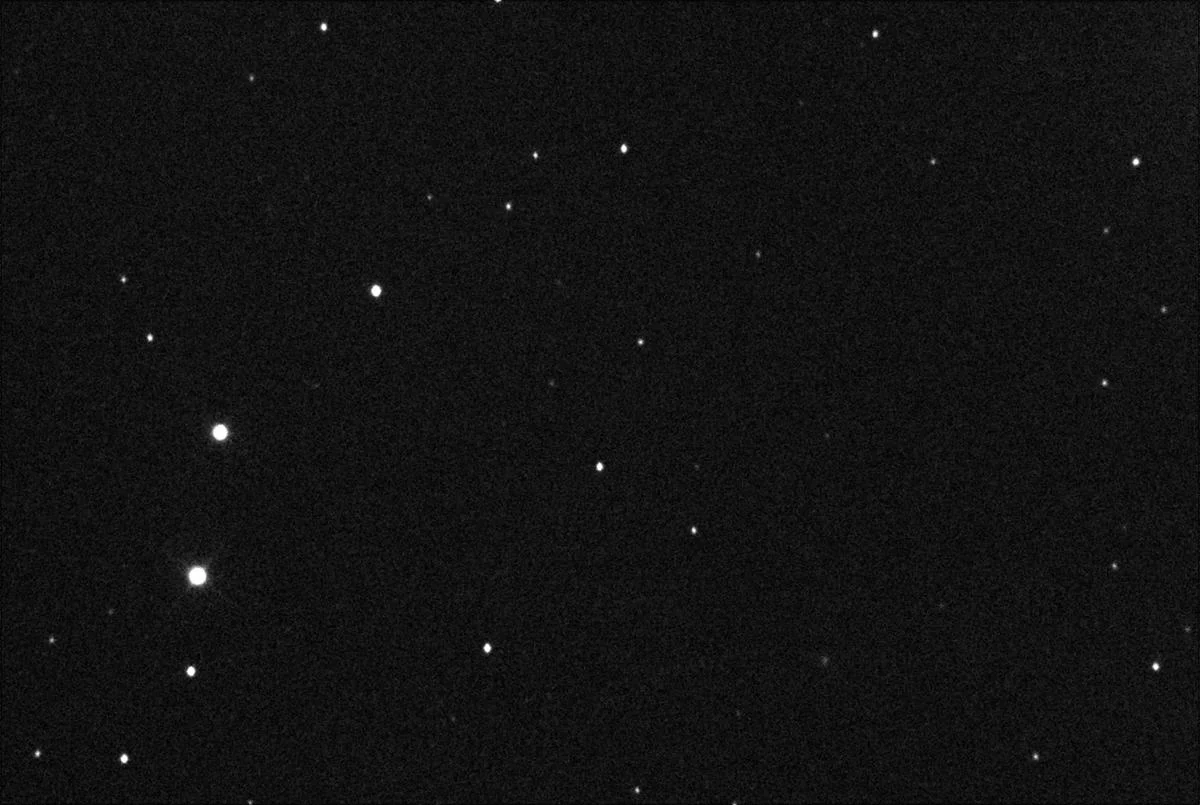
Astronomers have made a remarkable discovery, observing a star being absorbed by a supermassive black hole in the constellation of Eridanus, located in the Southern Hemisphere. This unprecedented observation was made possible by the powerful telescopes of the European Southern Observatory (ESO).
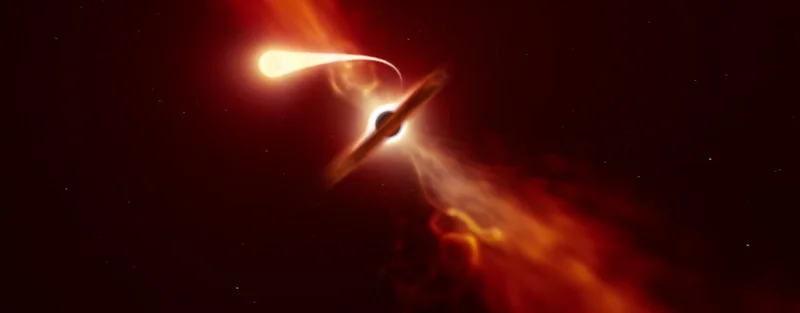
The event was marked by an exceptionally bright explosion, which was identified as a tidal disruption event (TDE). This particular TDE is the closest of its kind recorded, situated approximately 215 million light-years from Earth, allowing researchers to study it with unprecedented detail.
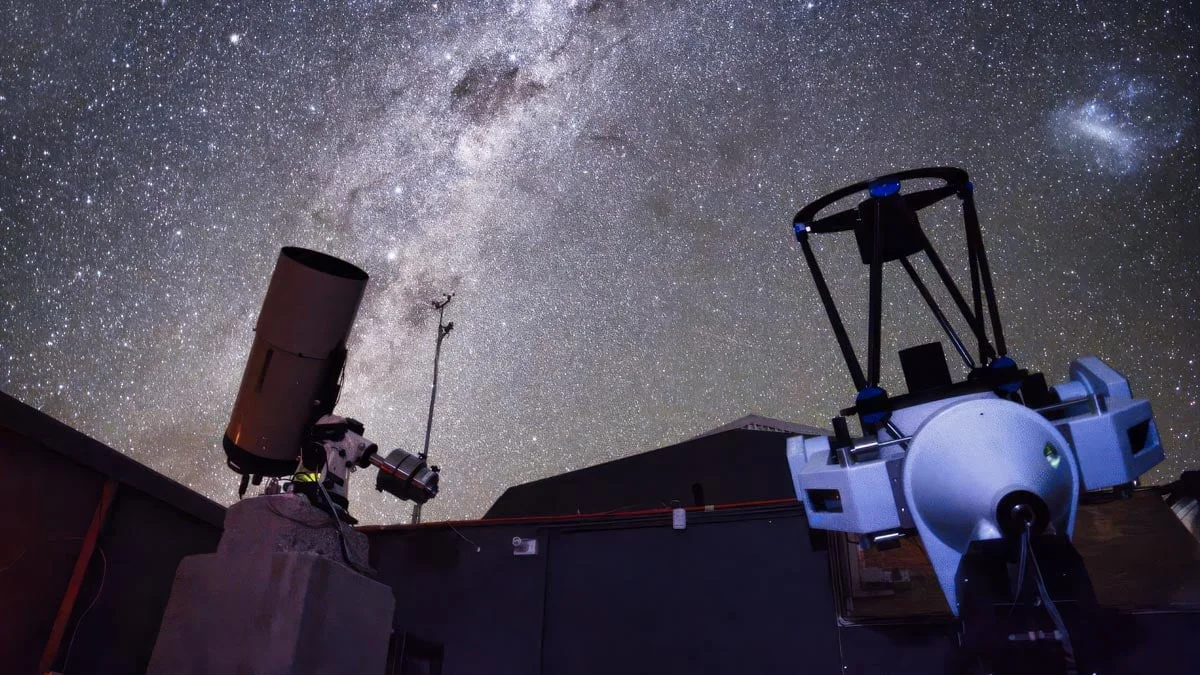
Utilizing the Very Large Telescope (VLT) and the New Technology Telescope (NTT) from the ESO, the team was able to closely monitor the luminous flash emanating from the vicinity of the supermassive black hole. This research sheds light on the processes involved when a star is engulfed by such a massive gravitational entity.
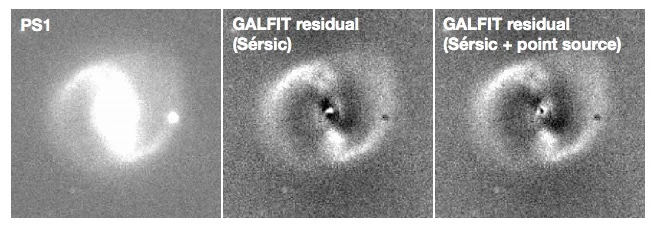
Stars located in the core of a galaxy can find themselves on orbits that intersect the tidal radius of a central supermassive black hole. This interaction leads to a release of energy throughout the star, resulting in forces strong enough to tear the star apart and create a tidal disruption event. The stellar debris, confined vertically by its own gravity, is stretched into a long, thin stream as it orbits around the supermassive black hole.
This fascinating phenomenon has been aptly nicknamed "spaghettification!"
Source: Paper published in the Monthly Notices of the Royal Astronomical Society.