New Insights into Campi Flegrei's Sulfur Emissions and Volcanic Dynamics
A study on the increase of sulfur in fumaroles reveals new dynamics in bradyseism. The findings do not imply an imminent volcanic eruption but highlight the need for ongoing attention to Campi Flegrei.
New Insights into Campi Flegrei's Sulfur Emissions and Volcanic Dynamics
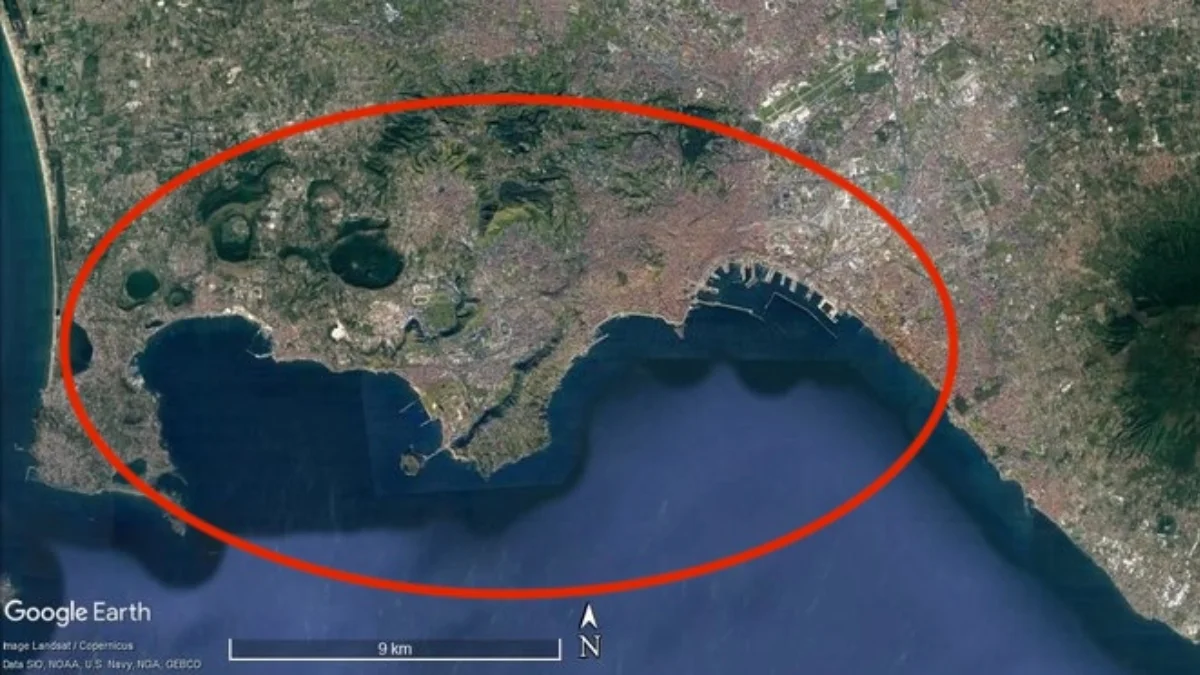
A recent study conducted by a team from the Vesuvian Observatory of the National Institute of Geophysics and Volcanology (INGV – OV), in collaboration with the University of Palermo, University of Cambridge, and the Woods Hole Oceanographic Institute, has uncovered significant changes in the gas composition of fumaroles at the Solfatara of Campi Flegrei. This research, published in the journal Nature Geoscience, highlights the increasing role of magmatic gases in the region.
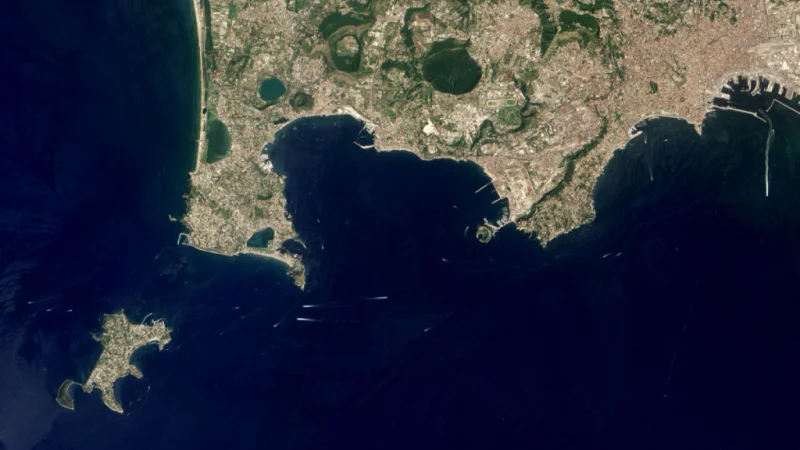
Since late 2018, there has been a notable rise in hydrogen sulfide concentrations—a sulfurous species present in the fumaroles—as determined by advanced analytical methods. Systematic sampling and chemical analyses revealed a growing contribution of magmatic gases originating from depths between 6 and 9 km in the Earth's crust. The upward movement of these gases is believed to be heating the hydrothermal system, which may be linked to the increased seismic activity observed in Campi Flegrei in recent years. This process could also be causing the remobilization of sulfur trapped in hydrothermal minerals, contributing to the sulfur anomaly noted in the fumaroles.
Context Before the Study
Prior to this investigation, it was assumed that hydrogen sulfide concentrations were regulated by low-temperature equilibrium reactions with sulfur minerals located in the shallow parts of the hydrothermal system. While the findings do not suggest an imminent volcanic eruption, they underscore the importance of continued vigilance regarding the Campi Flegrei area.
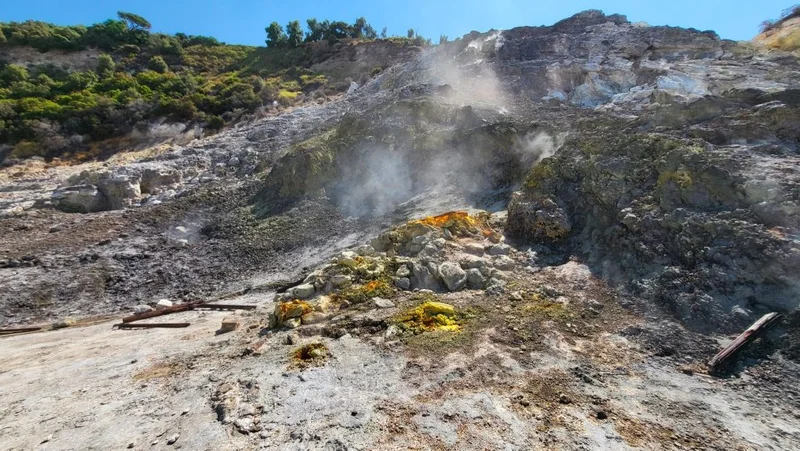
Data Collection Since 1980
The research utilized one of the most comprehensive datasets on fumarole composition globally, with data collected since 1980. Researchers analyzed gas samples regularly gathered from the Solfatara area in the laboratory and employed numerical modeling to interpret the data. Future advancements in this line of research could be achieved through continuous monitoring of the fumaroles and more sophisticated analyses, allowing for increasingly detailed interpretations. This study marks a significant step forward in understanding a region of considerable scientific and social interest, aiding in the informed management of one of the most complex volcanic systems in the world.
For further information:
- Read the article “An investigation into the increase of sulfur in fumaroles reveals the dynamics of the bradyseismic crisis” from INGV.