Exploring the Elephant's Trunk Nebula: A Comparative Study of Astrophotography Systems
A comprehensive comparison of three astrophotography systems capturing the Elephant's Trunk Nebula, highlighting their unique advantages and challenges.
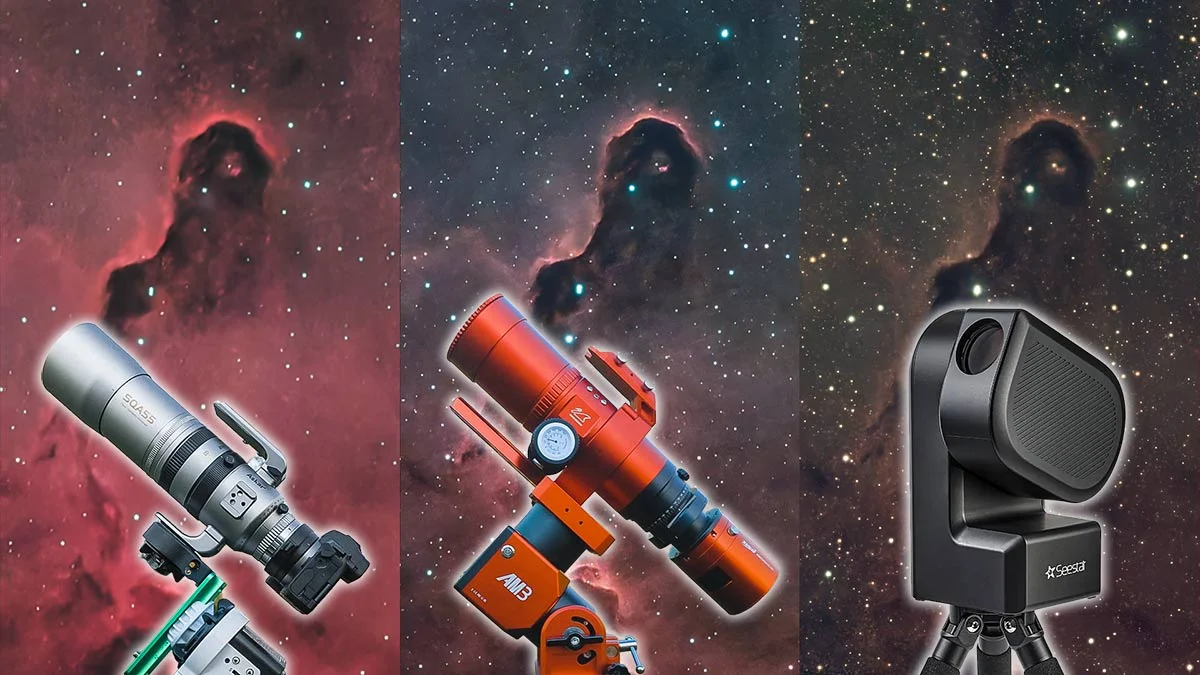
In a recent astrophotography session, I set out to capture the stunning Elephant’s Trunk Nebula, located in the constellation Cepheus, using three distinct camera systems. Each setup offered a unique approach to deep-sky imaging, allowing for a thorough comparison of their capabilities.
- A full-frame mirrorless DSLR-style astrophotography setup.
- A dedicated astronomy camera rig with autoguiding.
- And a smart telescope that handled almost everything on its own.
All three systems collected approximately 2.5 hours of exposure time on the same night, utilizing the same type of filter. However, the differences in technology and methodology provided valuable insights beyond a simple comparison of image quality.
The DSLR Setup
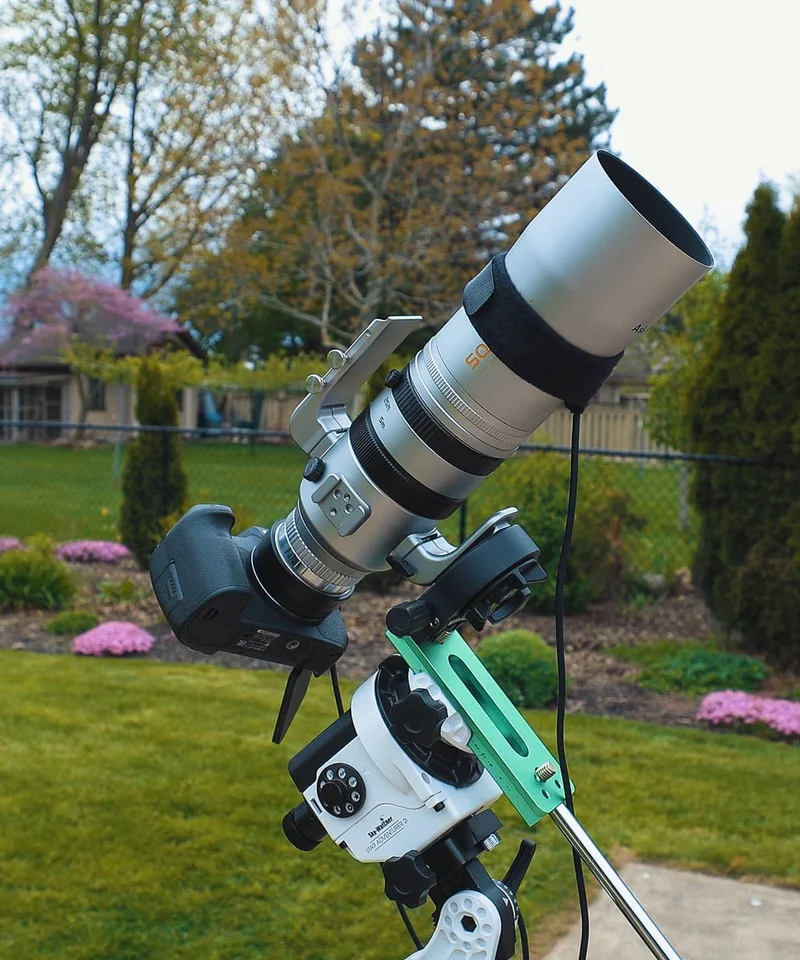
The first system utilized was a lightweight DSLR-style astrophotography rig. This setup comprised:
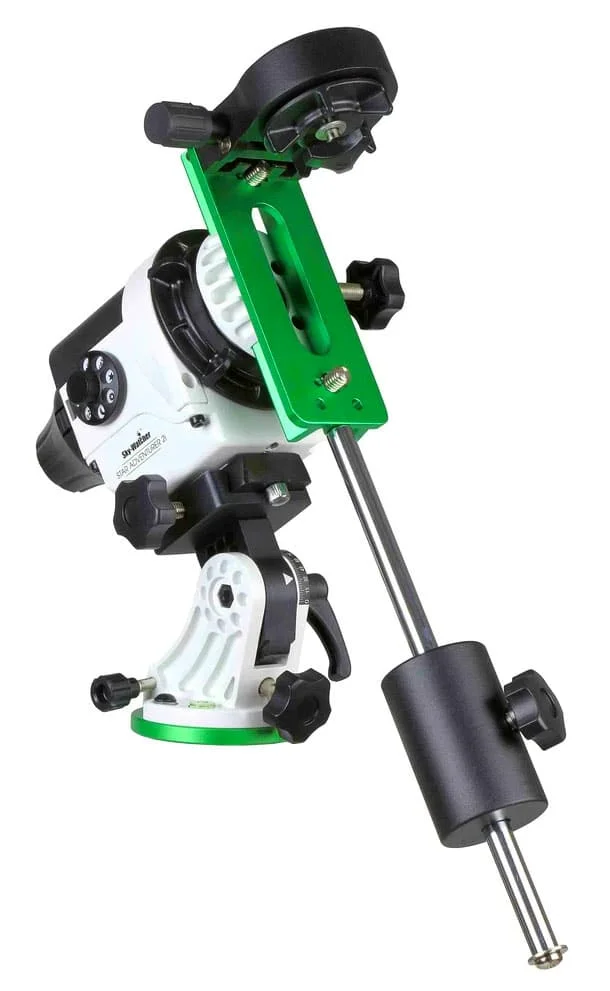
- Sky-Watcher Star Adventurer 2i star tracker
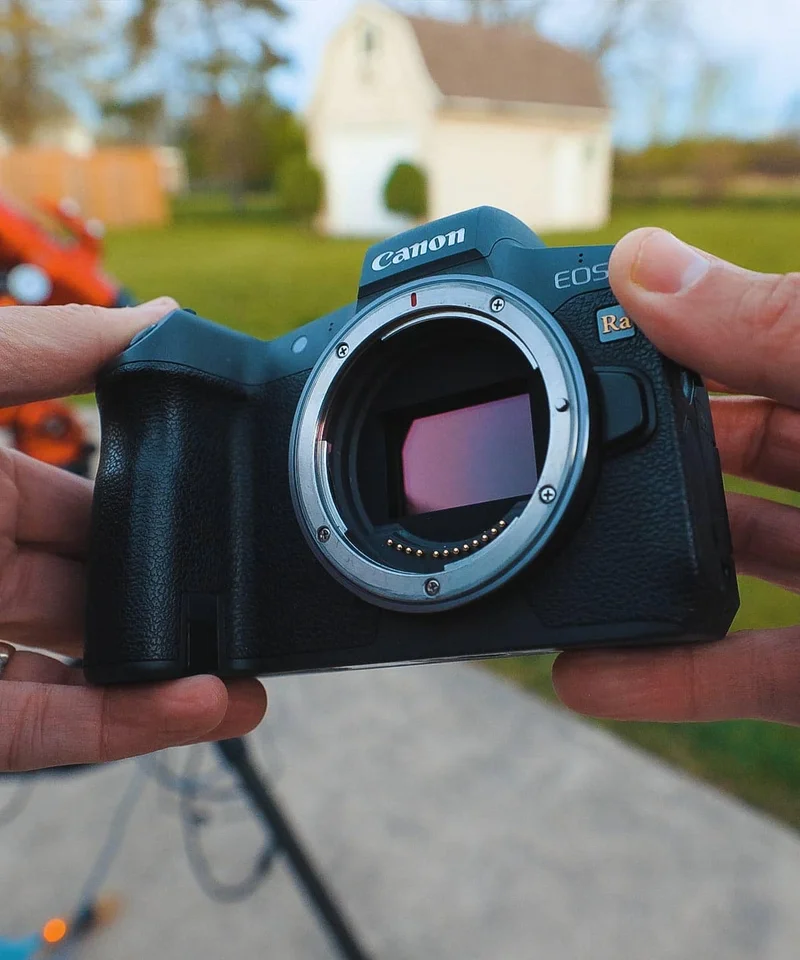
- Canon EOS Ra full-frame mirrorless camera (astro-modified)
- Optolong L-eNhance dual-narrowband filter
- Askar SQA55 refractor telescope
This configuration felt closely tied to traditional astrophotography, requiring manual operation without any computer assistance for the mount. To locate the Elephant’s Trunk Nebula, I had to manually adjust the rig, take test exposures, and review the images before fine-tuning the framing. This hands-on experience was both rewarding and challenging, especially when working with a faint nebula under a narrowband filter.
Advantages of Full-Frame Imaging
The Canon EOS Ra's full-frame sensor provided a significant advantage, capturing a wider field of view that included not only the nebula but also its surrounding star field. This broader perspective transformed the image into a more comprehensive portrayal of the IC 1396 region, enhancing its overall composition.
Challenges of the DSLR Approach
Despite its benefits, the DSLR setup faced challenges. It operated without autoguiding, relying heavily on precise polar alignment and careful monitoring of exposure lengths. This necessitated a more conservative approach to imaging, as any drift in tracking would immediately affect the star quality. The experience was immersive, demanding patience and skill to achieve the desired results.
The Dedicated Astro Camera Rig
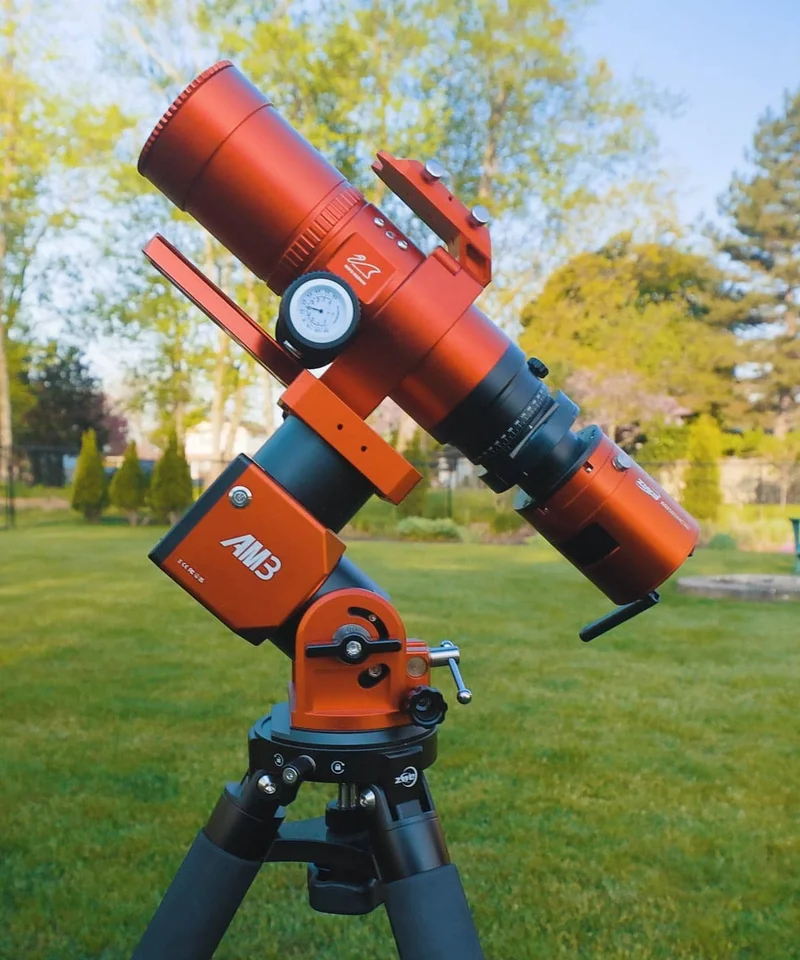
The second system employed was a dedicated astronomy camera rig, which felt significantly more automated. This setup included:
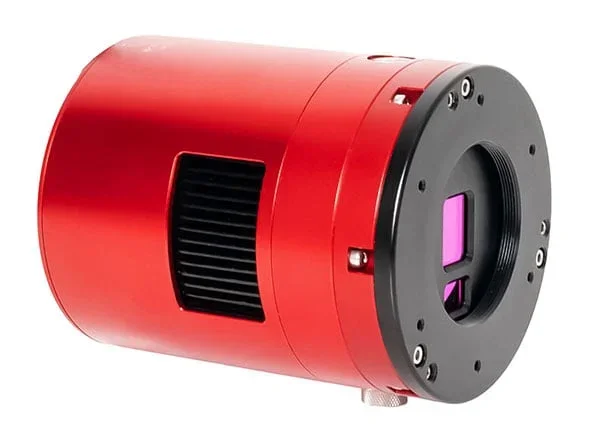
- ZWO ASI585MC Air
- William Optics RedCat 51 Refractor
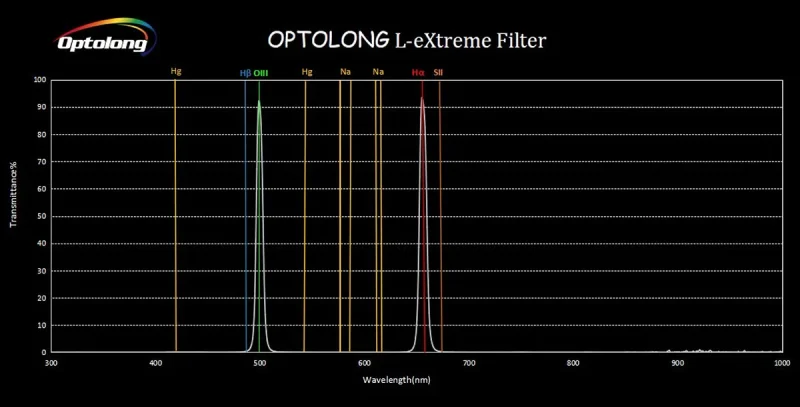
- Optolong L-eXtreme Dual-Narrowband Filter
- ZWO AM3 Harmonic Drive Mount
Controlled via the ASIAIR, this rig allowed for plate solving, which automatically framed the Elephant’s Trunk Nebula. The mount accurately slewed to the target, enabling a more efficient imaging process with less time spent searching the sky.
Autoguiding Benefits
The inclusion of autoguiding with this setup was a game-changer. The system continuously monitored a guide star and made real-time adjustments to maintain accurate tracking, resulting in sharper images over longer exposures. While this rig was more complex, requiring additional components and software, it provided a high level of control and repeatability in capturing data.
Field of View Comparison
However, the dedicated astro camera's smaller sensor resulted in a tighter field of view compared to the full-frame DSLR. This meant that while the nebula appeared larger and more detailed, some of the surrounding context was lost, highlighting the differences in composition between the two systems.
The narrowband filter used, the Optolong L-eXtreme, was effective in isolating critical emission lines, enhancing the imaging quality under light-polluted conditions.
The Smart Telescope Experience
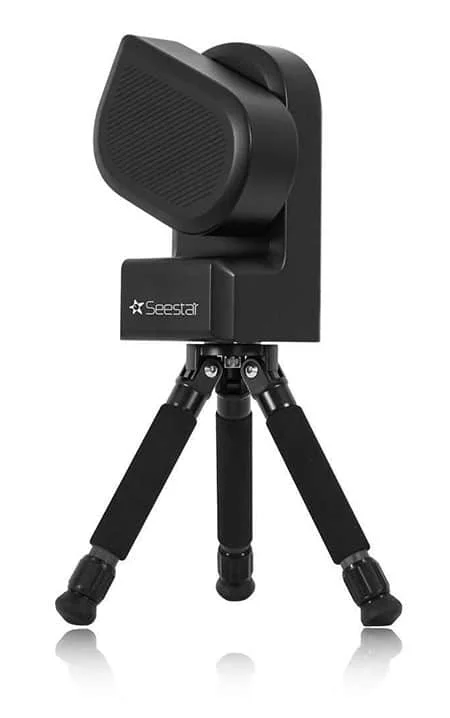
The final system was the ZWO Seestar S50, operated in equatorial mode, which is optimal for deep-sky imaging. This compact, all-in-one smart telescope simplified the imaging process significantly. It integrated the telescope, camera, mount, and software into a single package, allowing for easy setup and operation.
Ease of Use vs. Control
The Seestar offered a different experience, as it automated many tasks, making it particularly appealing for beginners. The system made targeting, focusing, and stacking images straightforward. However, the smaller sensor size resulted in a tighter field of view, producing images that differed significantly from those captured with the DSLR and dedicated astro camera.
While the smart telescope streamlined the process, it did not provide the same level of control or flexibility as the dedicated astronomy rig. Each system presented its own strengths and limitations, catering to different preferences and skill levels in astrophotography.
Conclusion
In summary, capturing the Elephant’s Trunk Nebula with these three diverse systems highlighted the unique advantages and challenges of each approach. From the hands-on experience of the DSLR setup to the automated efficiency of the smart telescope, each method offers distinct pathways to explore the wonders of deep-sky astrophotography.