Exploring the Askar SQA130: A Premier Telescope for Astrophotography
The Askar SQA130 is the largest telescope in Askar’s SQA series, designed for serious astrophotographers. This review explores its capabilities, specifications, and real-world performance.
Last updated: June 29, 2026.
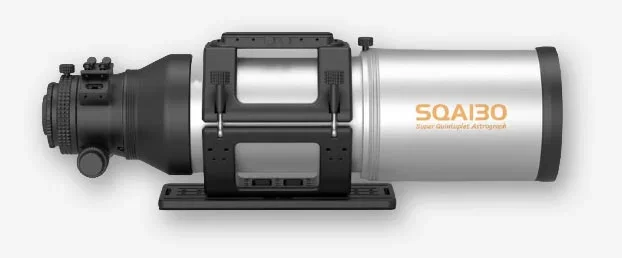
The Askar SQA130 stands as the flagship model in the SQA (super quintuplet astrograph) series, making it a highly anticipated telescope for enthusiasts and professionals alike. With a substantial 130mm aperture, this refractor promises an exceptional experience for astrophotographers.
Having previously evaluated the smaller Askar SQA106 and the compact SQA55, I was eager to see how the SQA130 would perform in practical astrophotography scenarios. After several weeks of testing from my backyard, I am ready to share insights about its capabilities, the images I captured, and how it measures up against its SQA counterparts.
Target Audience for the Askar SQA130
The SQA130 is tailored for dedicated astrophotographers seeking a high-quality, wide-field refractor capable of capturing intricate details of smaller nebulae and galaxies. While it is not designed as a beginner's telescope, it offers significant advantages for users with a competent mount who desire sharp star images, a flat field, and support for full-frame cameras without needing additional correctors.
Available at High Point Scientific ($4,799)
A Premium Refractor for Astrophotography
Unlike budget refractors, the SQA series focuses on serious deep-sky imaging. The SQA130 is a 130mm quintuplet Petzval APO astrograph with a focal length of 624mm and a focal ratio of f/4.8. Its optical design incorporates five elements, including two pieces of SD glass, ensuring that it illuminates full-frame and even medium-format sensors with an impressive 55mm image circle.
This large image circle is a standout feature, as many fast refractors require additional flatteners and adapters. The SQA130's built-in field correction simplifies the setup process, allowing users to attach their imaging equipment, achieve focus, and start capturing images seamlessly.
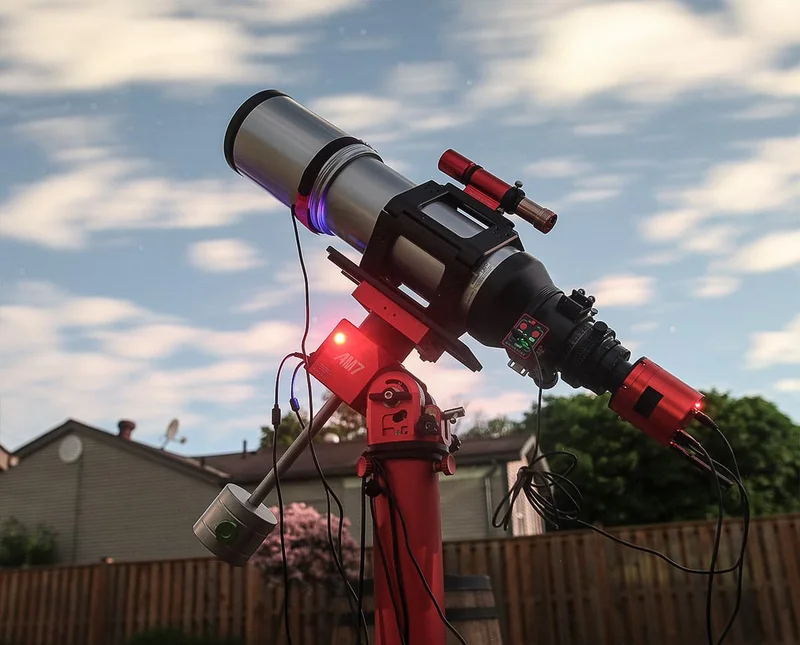
This image of the Lion Nebula is a perfect example of the field of view you can expect using a crop-sensor camera with this telescope. (ZWO ASI2600MC Air).
Specifications of the SQA130
- Aperture size: 130mm
- Focal length: 624mm
- Focal ratio: f/4.8
- Objective lens: Quintuplet Petzval AP (including two pieces of SD glass)
- Total length: 764mm (dew shield out)
- Format specifications: Medium format (55mm), covers full frame (44mm)
- OTA weight: 20 pounds
- Gross weight: 25 pounds
- Rear-end thread type: M48/M54/M68 adapters
- Rear-end connection distance: Supports 46-76mm range (Recommended connection length is 55mm)
- Standard package items: SQA130 OTA, an Oxford cloth case
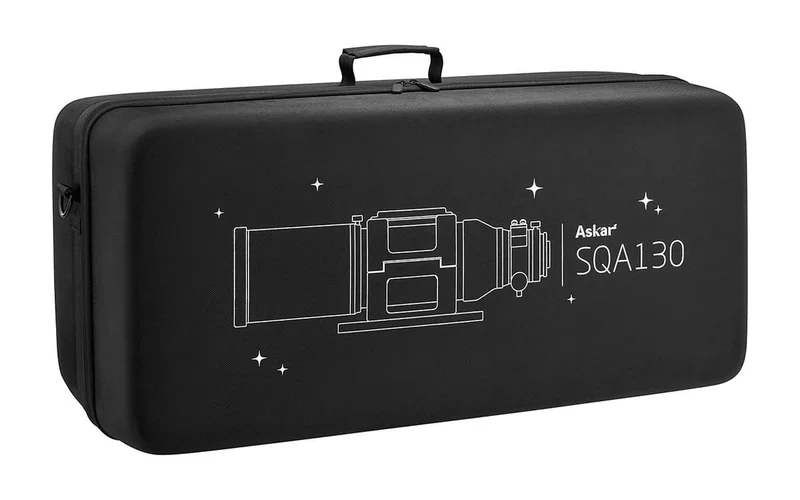
The included padded carry case is an excellent companion to a telescope of this caliber. It’s a safe way to transport your Askar SQA130 to a dark sky site.
The Importance of the 55mm Image Circle
The impressive 55mm image circle is a significant aspect of the SQA130's value. While many astrophotographers, including myself, often use APS-C cameras like the ZWO ASI2600MC or ASI2600MM, which do not fully utilize the telescope's full image circle, they still perform exceptionally well with this setup. To truly leverage the SQA130's capabilities, pairing it with a camera like the ASI6200MM would showcase its full-frame coverage potential.
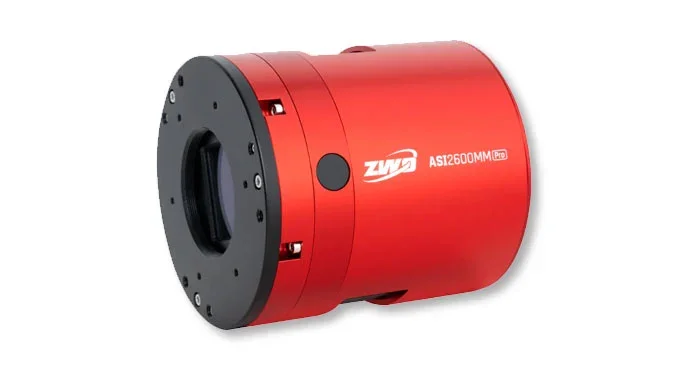
I prefer to use my crop-sensor (APS-C) cameras for deep-sky astrophotography, which are well within the large image circle of the Askar SQA130.
Optical Performance
The quintuplet Petzval APO design of the SQA130 is a key factor in its appeal for astrophotography. The optical system is engineered to deliver flat, well-corrected images without the need for a separate field flattener. The five lens elements, including two pieces of SD glass, effectively minimize chromatic aberration, resulting in images with clean, natural-looking stars devoid of the color fringing often seen in lower-quality refractors.
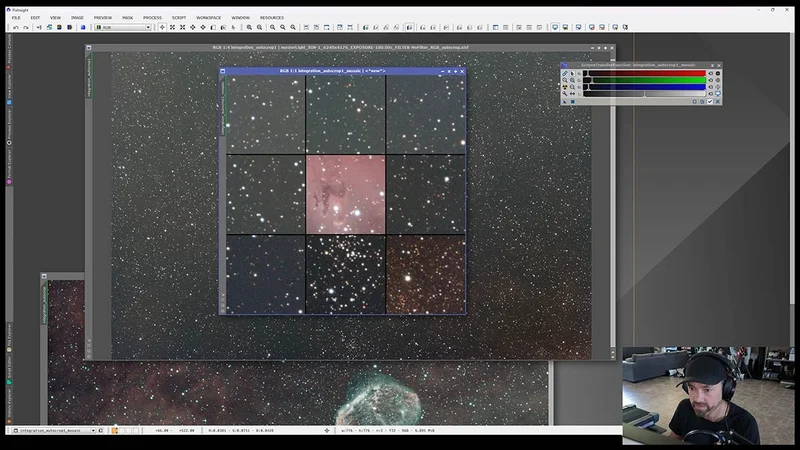
In my image tests of the Askar SQA130, the stars looked fantastic from edge to edge. I used the aberration inspector tool in PixInsight to take a closer look at the star quality across the image.
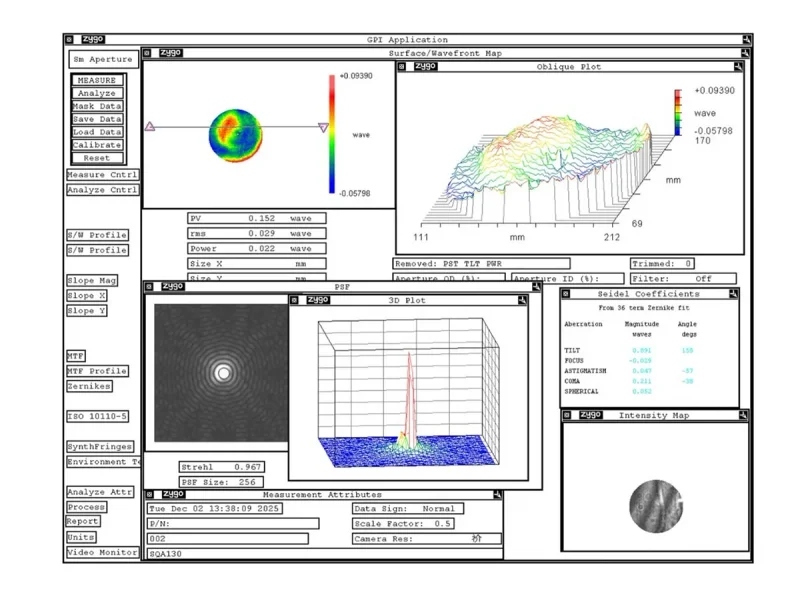
A detailed Zygo test report is available on the official Askar SQA130 product page, providing a comprehensive analysis of the lens's surface contours and wavefront quality.
Size and Mounting Requirements
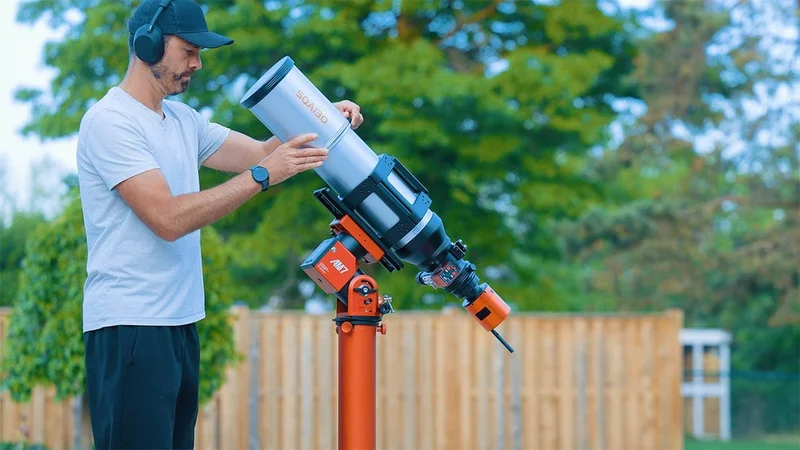
The SQA130 is a substantial telescope, with the optical tube assembly weighing approximately 20 pounds. With the added weight of the rings and dovetail, the total approaches 25 pounds, excluding any additional camera gear or accessories.
For this review, I mounted the SQA130 on a ZWO AM7 harmonic drive mount, which proved to be an excellent match, providing the necessary payload capacity for this telescope's size.
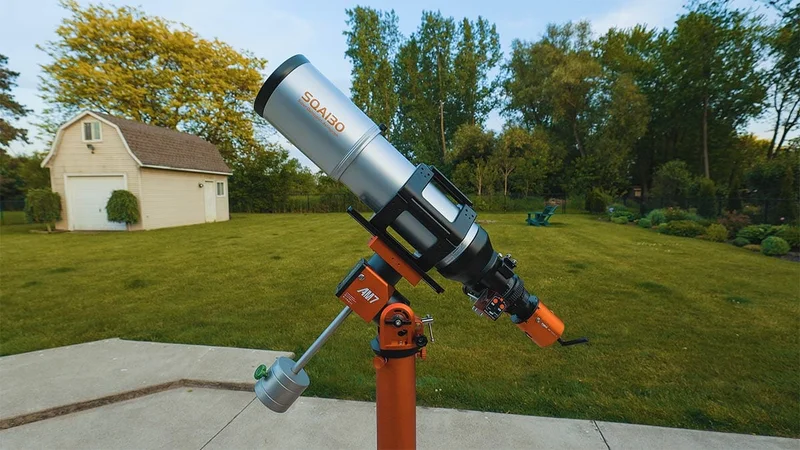
At roughly 25 pounds (without added camera gear), the SQA130 requires a robust equatorial mount. Either the ZWO AM5 (with a counterweight) or AM7 is a great choice.
Although the AM7 comfortably supports the SQA130 without a counterweight, I chose to use one for added stability. The SQA130 clearly requires a capable mount to handle its weight and dimensions.
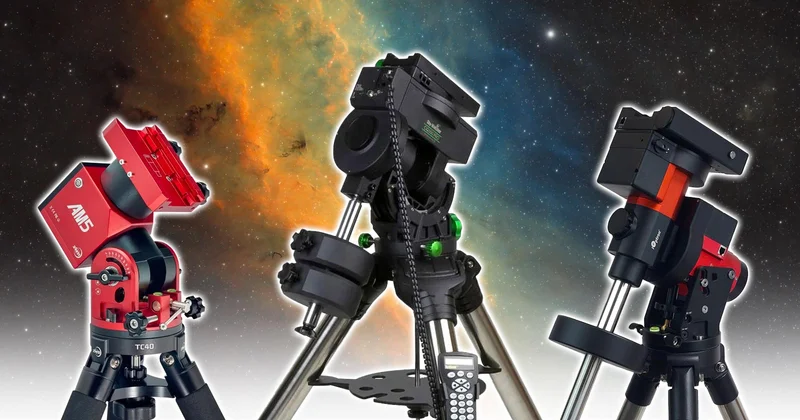
A traditional equatorial mount, such as the Sky-Watcher EQ6-R or larger, would also be suitable for this telescope.
Build Quality and Design Features
The SQA130's build quality aligns with the high standards of the SQA series. The telescope features a sleek grey anodized finish, robust tube rings, and a 300mm Losmandy-style dovetail for secure mounting. It includes threaded points for additional accessories, dual finder bases near the focuser, and a user-friendly 360-degree rotator at the rear for easy target framing.
The large 3.2-inch dual-speed rack-and-pinion focuser is well-suited for supporting a serious imaging setup. I opted to install a ZWO EAF electronic focuser, which proved beneficial for maintaining sharp focus throughout my imaging sessions, particularly at f/4.8 where focus tolerance is critical.
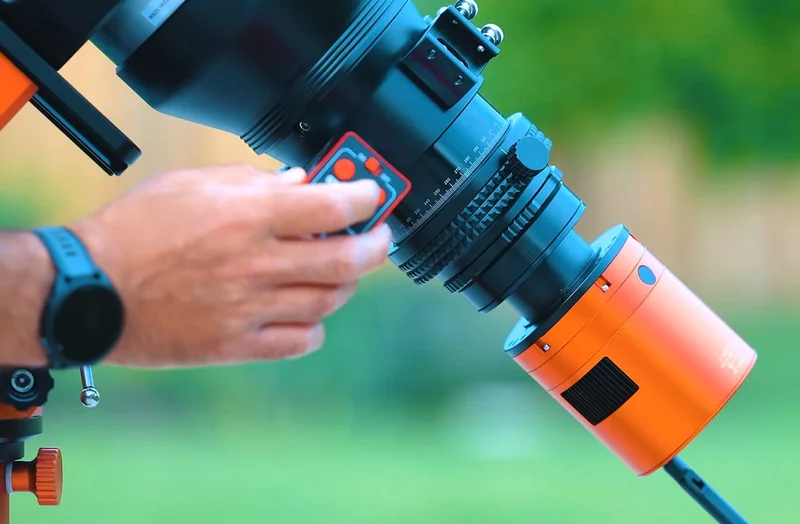
I highly recommend installing an autofocuser on the Askar SQA130 right away. This ensures consistently sharp images throughout your imaging session.
The telescope supports a range of rear adapters (M68, M54, M48) for easy connection to astronomy cameras and other accessories, with a recommended connection length of 55mm. This flexibility is appreciated, especially for users with non-standard setups.
Real-World Imaging Experience
For my evaluation, I paired the SQA130 with the ZWO ASI2600MC Air, a compact APS-C one-shot color camera that simplifies the imaging process. The review period coincided with excellent spring weather, allowing for multiple nights of astrophotography.
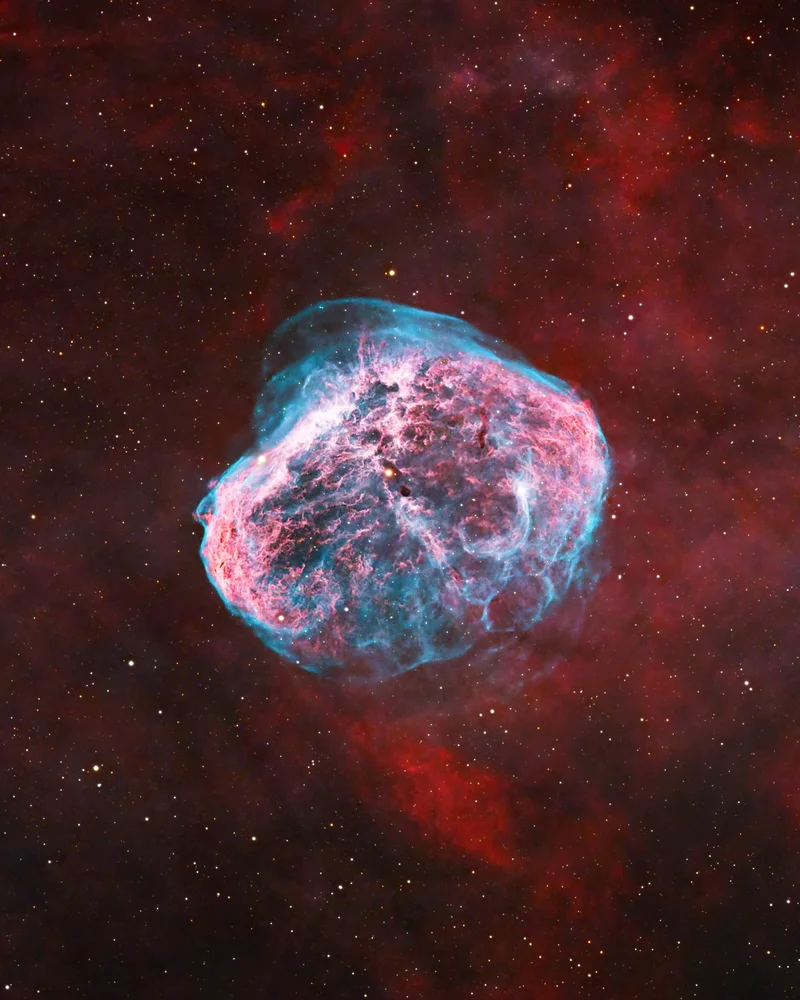
Crescent Nebula
My primary target was the Crescent Nebula in Cygnus, a perfect subject for the telescope's capabilities, especially under moonlit conditions. I utilized a dual-narrowband filter alongside broadband data to test the telescope's versatility.
Little Pinwheel Galaxy
As galaxy season was concluding, I directed the telescope toward NGC 3184, known as the Little Pinwheel Galaxy. While the SQA130 does not specialize in small galaxies like longer focal length telescopes, it still provided an enjoyable field of view and high-quality images.
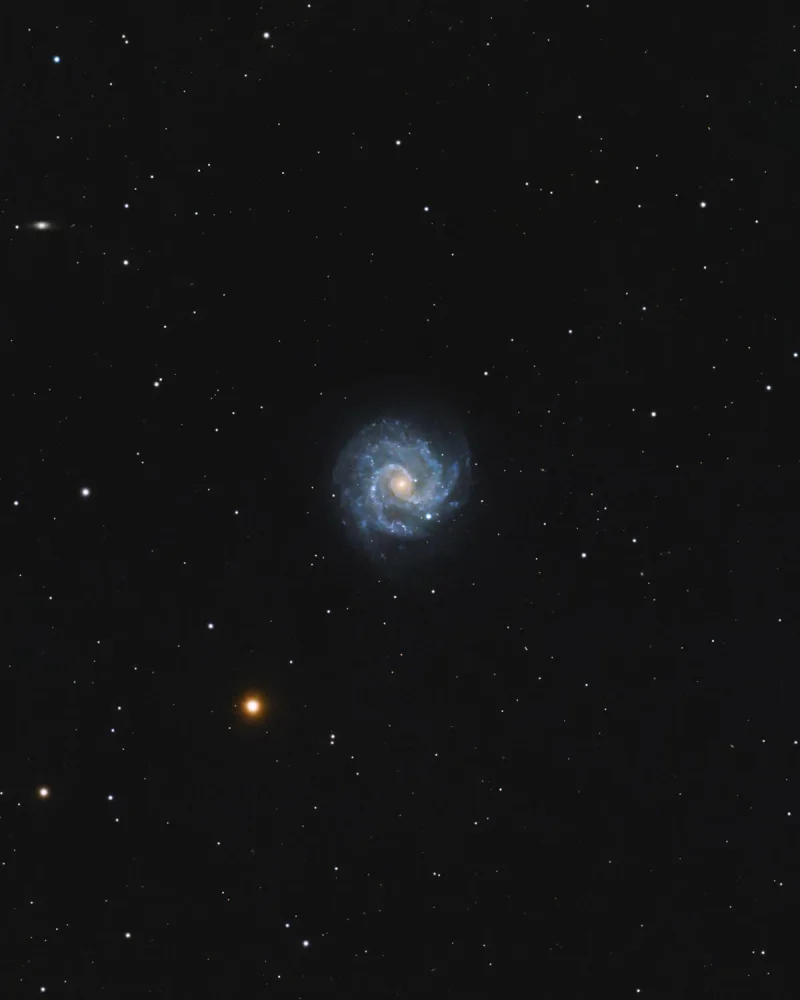
The SQA130's f/4.8 focal ratio allows for quick signal gathering, and the 130mm aperture enhances light-gathering ability compared to smaller refractors, making it a joy to use for various deep-sky targets.
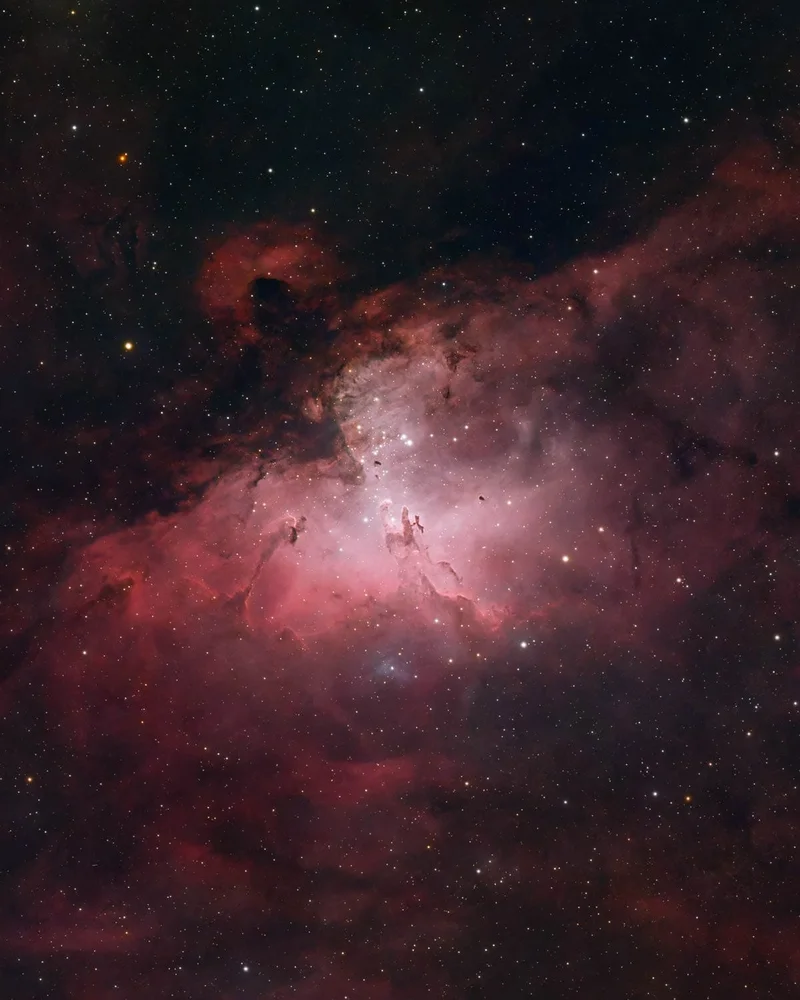
Eagle Nebula
Another target was the Eagle Nebula in Serpens, which showcased the telescope's ability to resolve intricate structures within emission nebulae while maintaining a wide field of view.
Want To See the Full-Size Versions?
The astrophotography images shown in this review have been cropped and resized for the article. To inspect the full-size versions and take a closer look at the stars, corners, and overall image quality, you can view the complete image gallery on my Flickr page.
Common Questions and Concerns
Whenever a premium refractor enters the market, astrophotographers naturally have questions and concerns. The SQA130 is no exception, and it is important to address these inquiries to provide clarity on its performance and usability.