Exploring Astrophotography: Capturing the Night Sky
Astrophotography captures the beauty of the night sky, showcasing techniques from landscape photography to deep-sky imaging. Explore the equipment and software needed for this complex hobby.
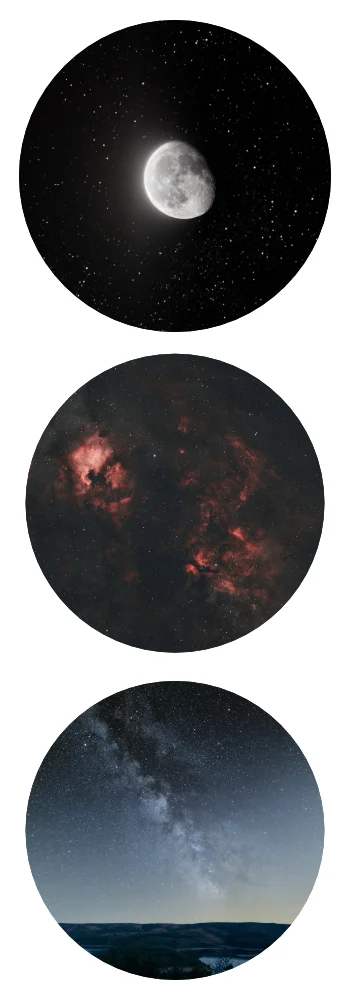
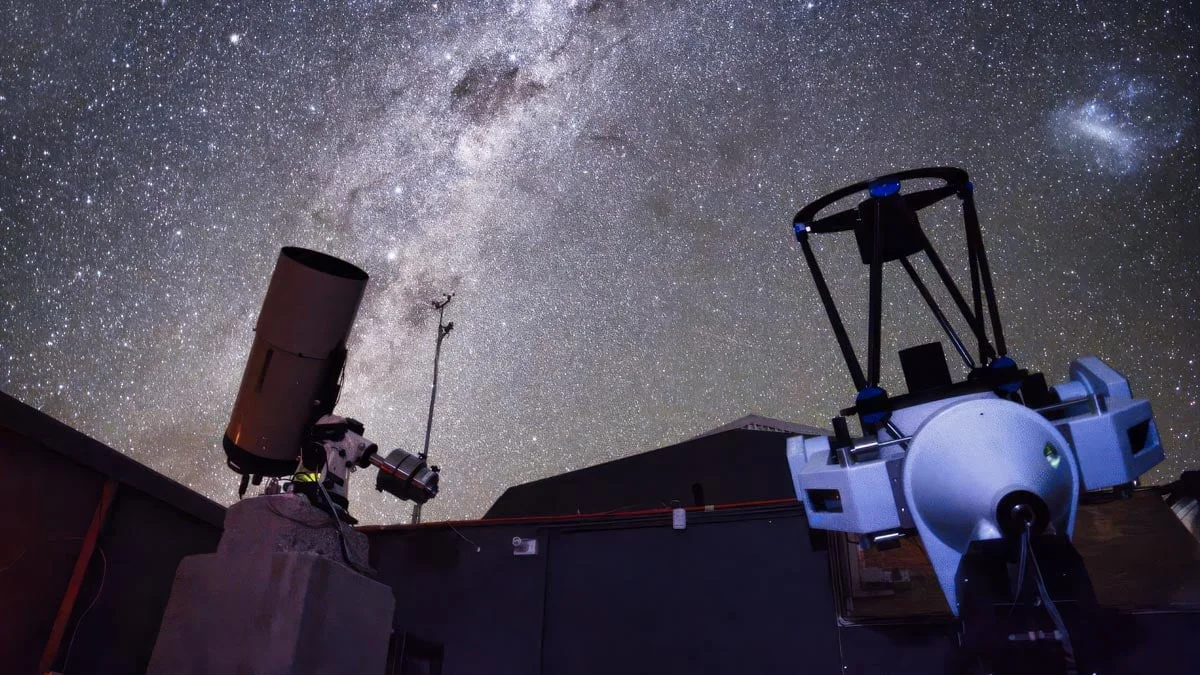
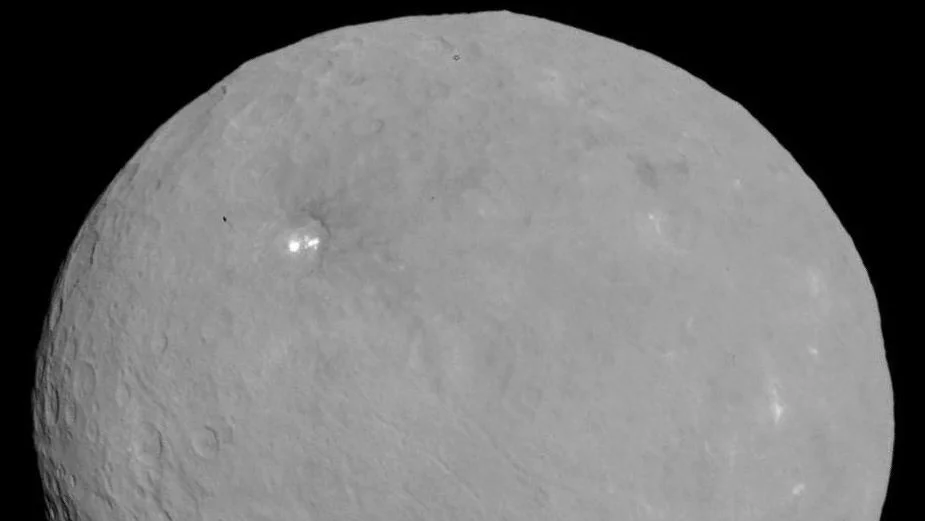
Astrophotography opens up a world of stunning visuals, showcasing the beauty of the night sky through various forms of photography. From the Milky Way arching over mountain ranges to majestic spiral galaxies and vibrant nebulae, this discipline allows enthusiasts to capture celestial wonders, including our Moon and the planets in our solar system.
However, diving into astrophotography presents a steep learning curve and requires a high tolerance for frustration. Regardless of how well-prepared you might feel, setbacks are inevitable. Embracing these challenges is part of the journey, and each night spent under the stars offers valuable lessons that make eventual successes even more rewarding.
Different Types of Astrophotography
Astrophotography encompasses a range of techniques, each with varying equipment requirements. Some methods necessitate specialized gear that can quickly escalate into four-figure expenses, while others can be accomplished with standard photographic equipment used during the day. Below is a general overview, roughly sorted by complexity:
Astro Landscape Photography This involves capturing landscapes alongside the starry sky or the Milky Way, achievable with a camera and tripod. Using fast lenses enhances the ability to see more detail in the night sky.
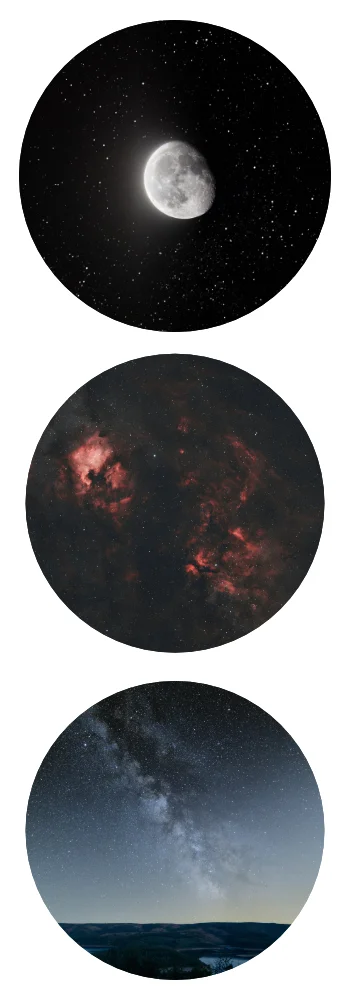
Moon Photography Photographing the Moon in its various phases can also be done with a camera and tripod. A telephoto lens with a minimum focal length of 300 mm is essential for a meaningful composition of the Moon. Longer focal lengths are beneficial, and many bridge cameras with strong zoom capabilities are well-suited for lunar photography. Moderate focal length telescopes (up to 750 mm) can provide detailed views of the Moon but require an astronomical mount for stability.
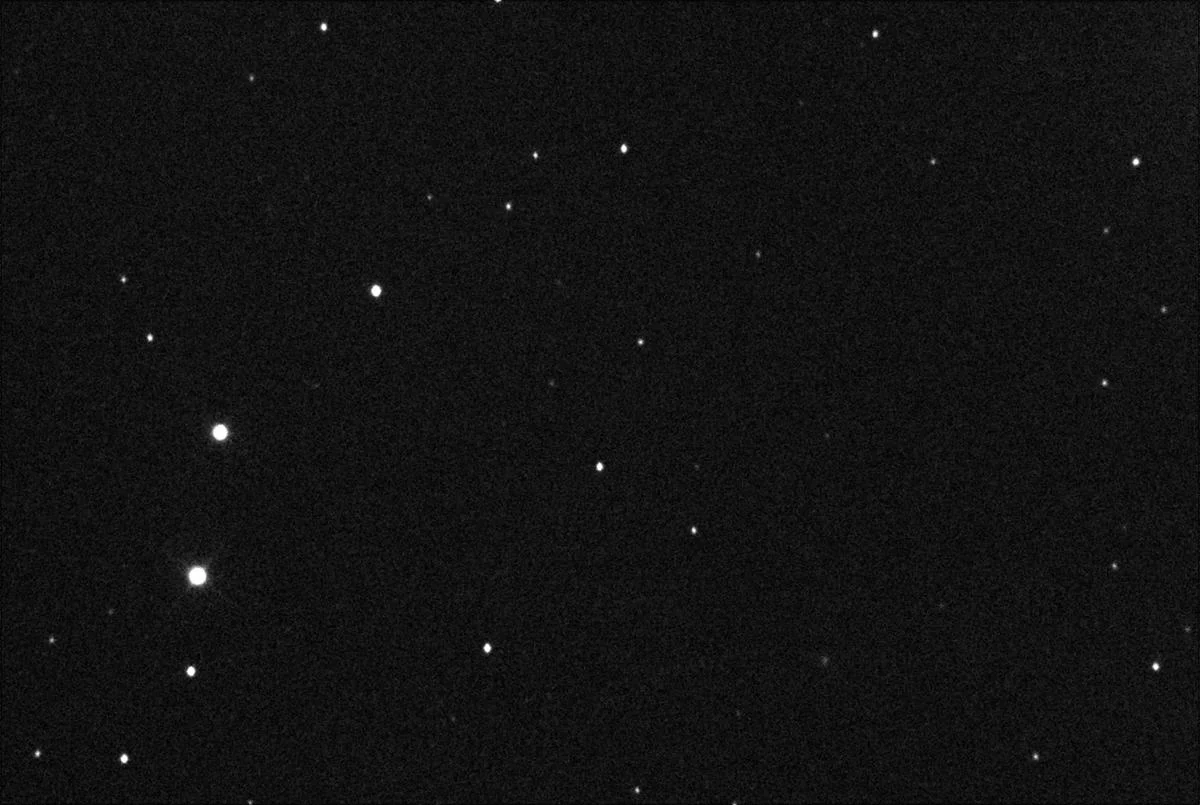
Deep-Sky Photography (Wide Field) This technique captures vast nebula regions, the Andromeda Galaxy, and portions of the Milky Way. It can be accomplished with a standard camera and a light telephoto lens. Small telescopes with moderate focal lengths (around 300-400 mm) help fill the frame, but an astronomical tracker is necessary for long exposure times. Astromodified cameras can gather significantly more signal from emission nebulae, reducing exposure times. Filters can also mitigate light pollution and enhance image contrast.
Deep-Sky Photography (Small Nebulae, Galaxies, Star Clusters) This area of astrophotography delves deeper into the cosmos, capturing smaller objects that demand more sophisticated equipment. Telescopes with long focal lengths (approximately 750 to 2000 mm) and an equatorial mount are vital. An autoguider (a camera paired with a guidescope) ensures precise tracking, while a specialized astro camera and filters for various wavelengths can enhance results. Such setups are typically controlled via a laptop with dedicated software or a small astrocomputer, like an Astroberry.
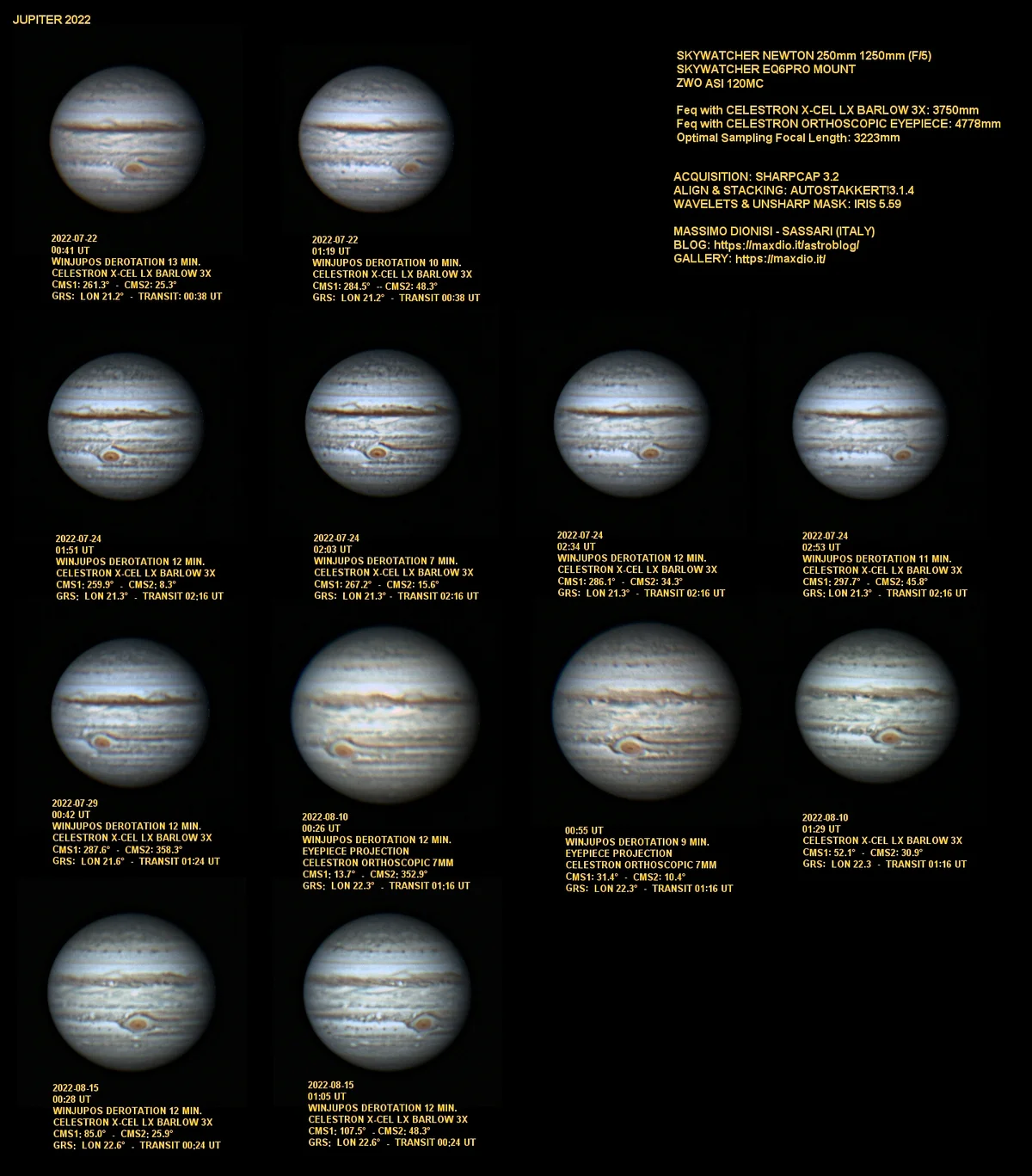
Planetary Photography Capturing images of planets in our solar system requires a setup similar to deep-sky photography, utilizing long focal lengths. However, guide cameras are commonly employed for their high frame rates, enabling the capture of up to 120 images per second.
This overview provides a glimpse into the vast possibilities within astrophotography, although the lines between different techniques and equipment requirements can be fluid. Additional accessories, such as lens warmers and external power supplies, can further enhance the experience.
The Role of Software in Astrophotography
Another crucial aspect of astrophotography is image processing. Standard software like Photoshop may not suffice for this purpose. Astrophotography often involves stacking multiple images to increase exposure time and reduce noise, a task typically handled by programs like Deep Sky Stacker. Furthermore, there are specialized image editing tools designed specifically for astrophotography, such as the free software Siril and the paid option PixInsight.
Astrophotography is undeniably a complex field. If you’re still reading, it’s clear you are eager to explore this fascinating subject. Keep an eye on the weather forecast, as the next installment will guide you through capturing your first images under the night sky.
Wishing you clear skies until then!