Eclipses as Open-Air Laboratories: NASA's Preparations for the Next Solar Event
As we prepare for an upcoming solar eclipse, scientists are poised to transform this extraordinary event into an open-air laboratory, studying intriguing natural phenomena and their effects on technology.
Eclipses as Open-Air Laboratories: NASA's Preparations for the Next Solar Event
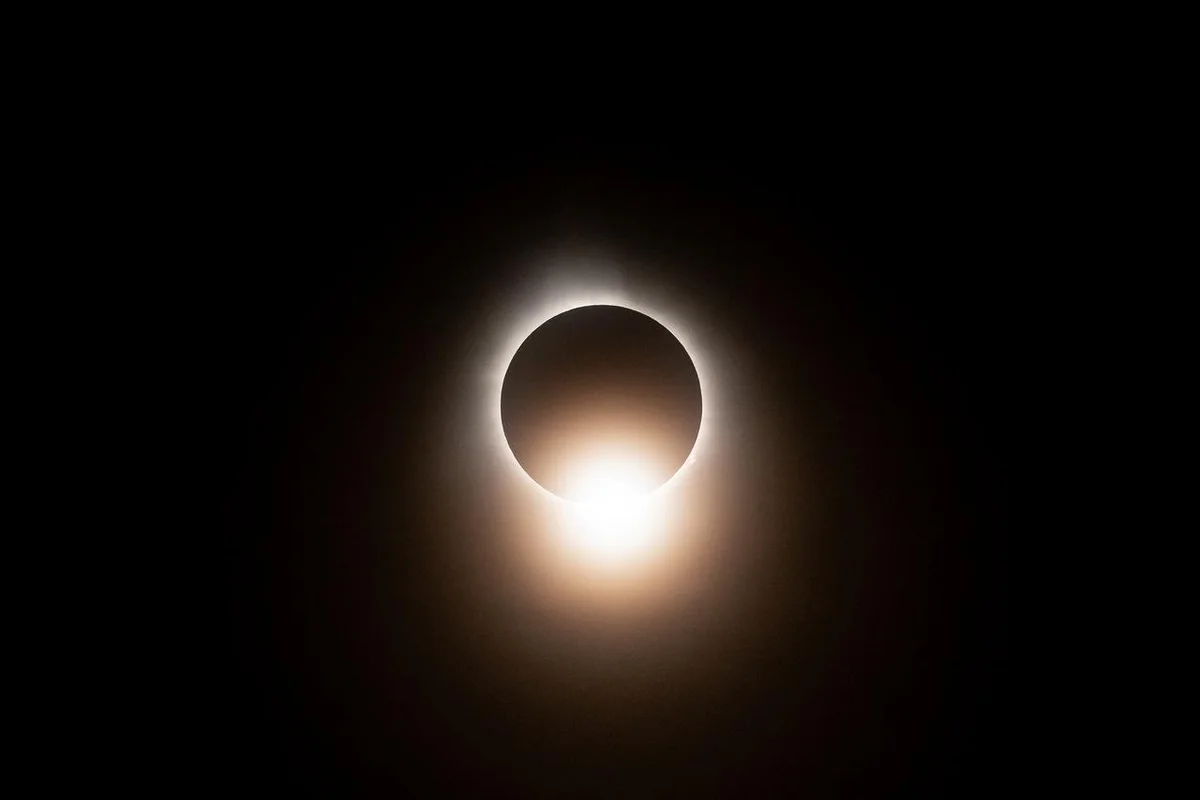
As we anticipate yet another spectacular phenomenon in our corner of the universe, a solar eclipse offers not just a breathtaking visual display but also a unique opportunity for scientific inquiry. During these events, the Moon obscures the Sun, allowing researchers to transform this natural occurrence into a real-time laboratory to study fascinating aspects of our environment.
The Solar Corona: An Elusive Mystery
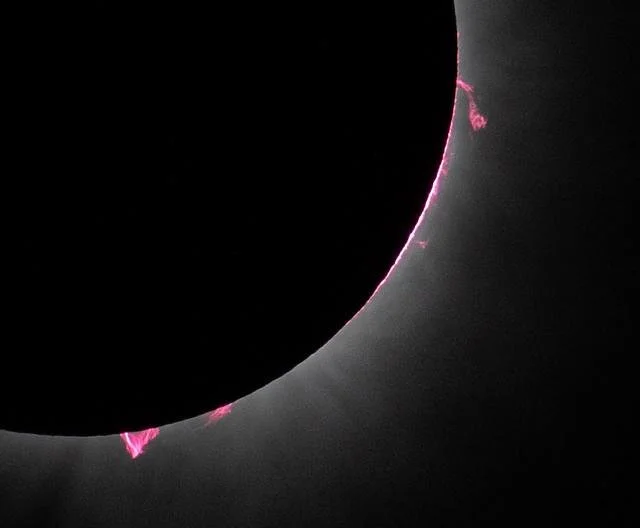
One of the most intriguing aspects of total solar eclipses is the visibility of the solar corona, the outer layer of the Sun's atmosphere. When the Moon completely blocks the Sun, this delicate glowing ring becomes visible against the dark silhouette of our satellite. Studying the corona has historically been challenging due to its proximity to the Sun's intense brightness. However, with the Moon's intervention, scientists can observe and analyze the corona for extended periods, capturing its changes. Remarkably, significant advancements in our understanding of the solar corona were made in the late 19th century, aided by the invention of early photographic equipment, which allowed researchers to document and learn about solar flares—mysterious bursts of material from the Sun that were poorly understood at the time.
Eclipses Testing Technological Limits
The Sun constantly interacts with Earth, influencing our atmosphere. However, during an eclipse, the Moon temporarily disrupts this interaction in a localized area, providing a unique chance to study how the Sun affects the ionosphere—a region of the Earth's atmosphere filled with ionized particles produced by solar radiation. This region is crucial for communication technologies, including GPS signals. While an eclipse may cause minor fluctuations in everyday systems, these effects can be significant in high-precision environments. Analyzing these subtle changes enhances our understanding of both solar activity and the atmospheric conditions surrounding our planet.
The August 12, 2026 Eclipse: NASA's Plans
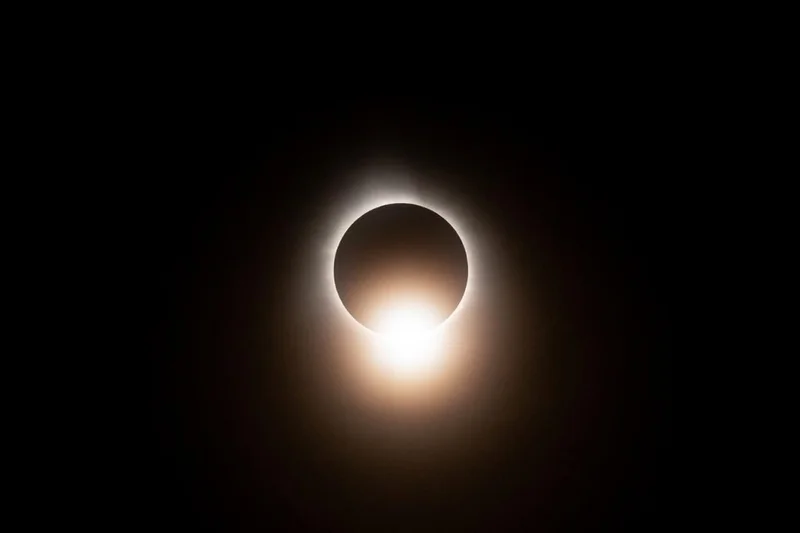
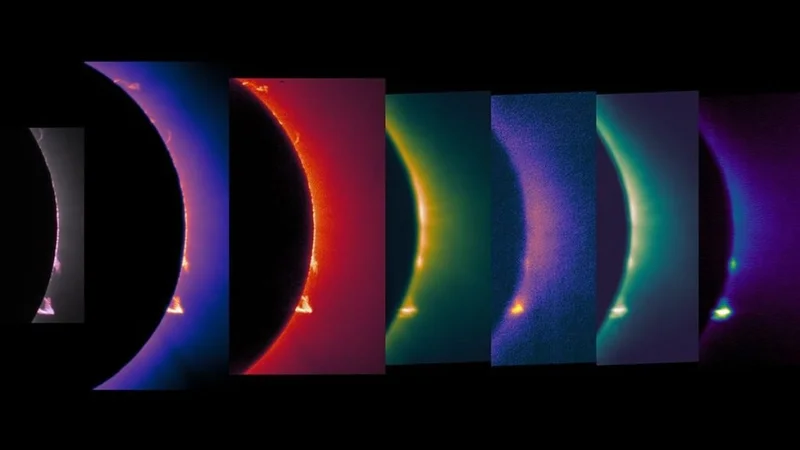
To investigate these atmospheric effects during the upcoming eclipse on August 12, NASA plans an ambitious operation involving a high-altitude jet and balloons. The jet will chase the eclipse at speeds of 740 kilometers per hour, maximizing the time spent observing the totality phase. It aims to capture the solar corona in both visible and infrared light, with the goal of taking up to 20 images per second to document every change in the corona.
In addition, NASA's Nationwide Eclipse Ballooning Project, led by Angela Des Jardins from Montana State University, will involve university students launching balloons over a span of 26 hours to record the atmospheric effects of the eclipse. Students from Spain will also participate, deploying balloons equipped with cameras to capture the eclipse's shadow and conduct studies on ozone levels, which depend on sunlight for formation.
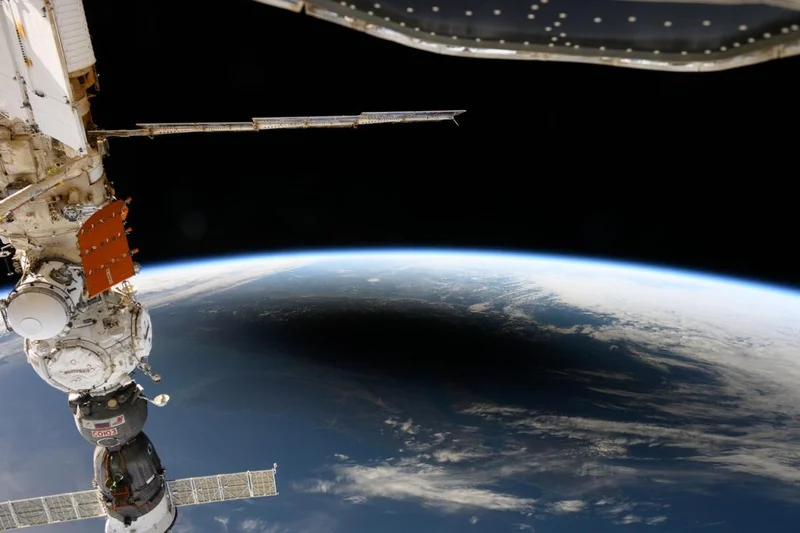
The Importance of Studying Eclipses
NASA's forthcoming experiments echo similar studies conducted during previous eclipses, yet each astronomical event is unique. Factors such as season and daylight hours can lead to different outcomes, thus enriching our understanding further. With increasingly precise technology, researchers can detect even the most minute changes in our surroundings. While the eclipse itself will be a spectacle visible to all, the implications of its effects remain to be discovered, from the workings of our atmosphere to the behavior of distant stars. Eclipses serve as open-air laboratories for studying celestial bodies that are otherwise difficult to observe. We eagerly await NASA's findings alongside the stunning display in the sky.