Another Significant Outburst from Comet 220P/McNaught
Comet 220P/McNaught has experienced another significant outburst, brightening from the thirteenth to the seventh magnitude, reminiscent of its earlier June event.

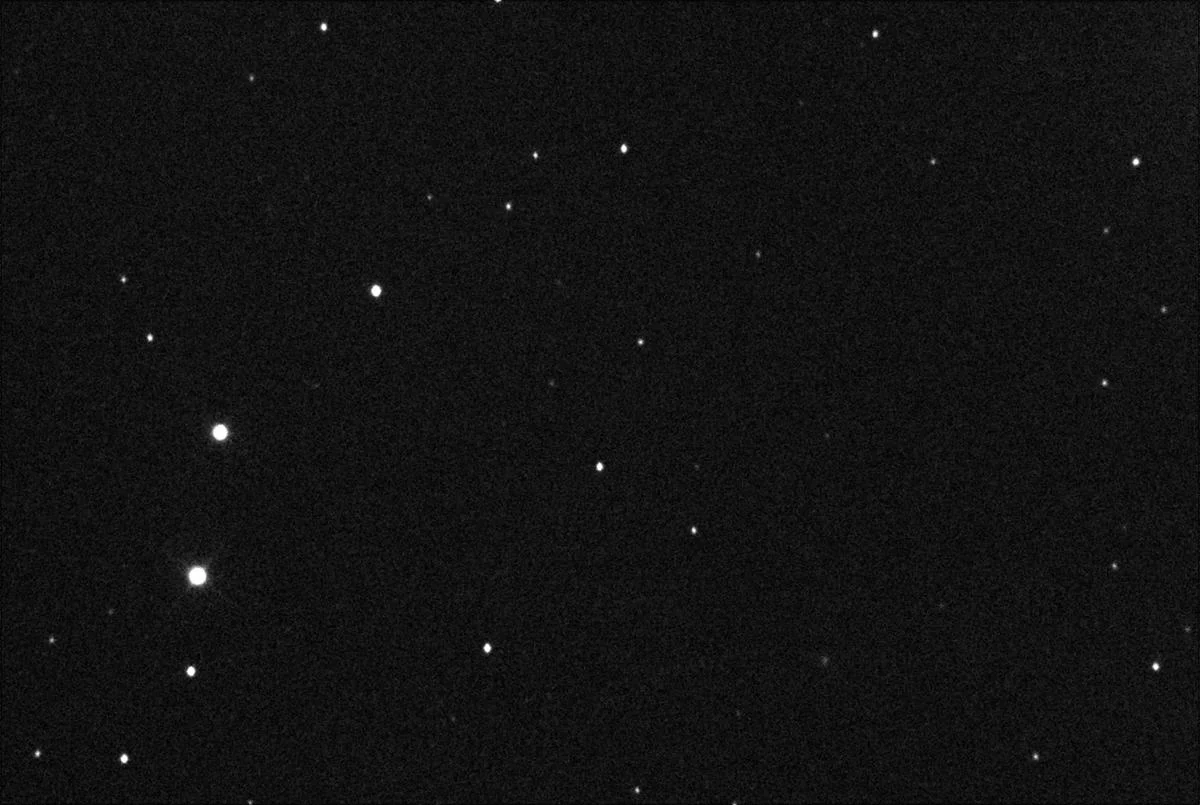
Comet 220P/McNaught has made headlines once again, following a remarkable outburst that occurred between August 5 and 6. This event saw the comet's brightness surge dramatically from the thirteenth to the seventh magnitude, echoing its previous explosive behavior in early June when it brightened by approximately nine magnitudes, shifting from the eighteenth to the ninth.

Such outbursts are not uncommon among comets, yet the intensity of the two events involving 220P is exceptional. They bear a resemblance to the 2007 outburst of comet 17P/Holmes, which experienced a staggering increase of around 15 magnitudes in a matter of hours. An outburst is characterized by a sudden escalation in activity, typically triggered by the collapse of the comet’s surface crust due to internal sublimation processes. This phenomenon releases a substantial amount of volatile material from beneath the surface, which, when illuminated by the Sun, enhances the brightness of the comet before it disperses into space.
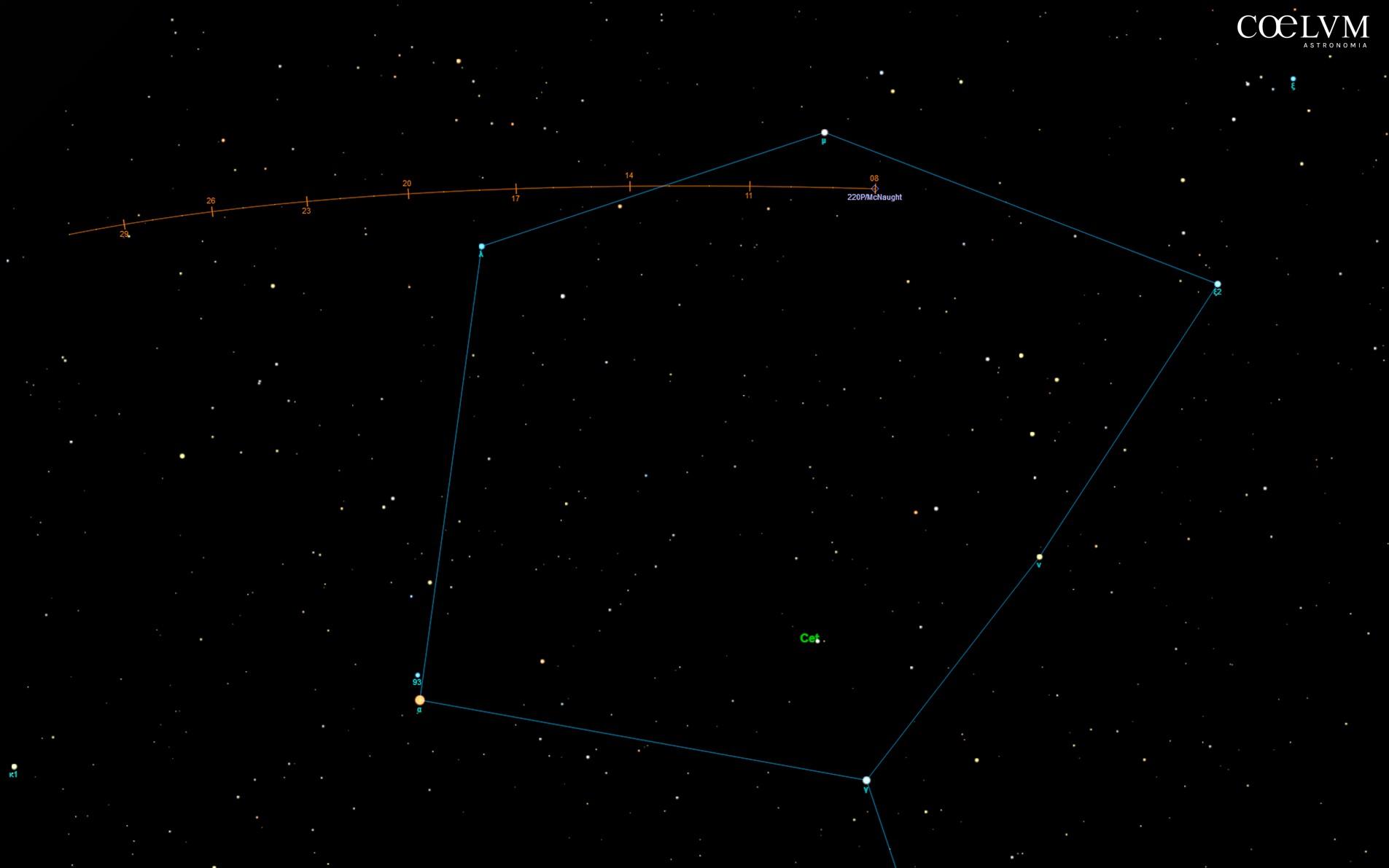
In comparison to the earlier outburst, which occurred when the comet was positioned low on the horizon, the current visibility of 220P is significantly improved. The comet is now observable much higher in the sky towards the end of astronomical twilight, located within the constellation Cetus. For those eager to spot it, the comet can initially be found near the star Mi Ceti, which has a magnitude of 4.3, and will later be positioned close to Lambda Ceti, with a magnitude of 4.7, which it is expected to approach and surpass.
Astronomers recommend taking the opportunity to observe 220P/McNaught soon, especially as the Moon moves toward the new phase, which will provide darker skies. With a good dark sky, even modest equipment should suffice to catch a glimpse of this celestial phenomenon.