The Catastrophic Ignimbrite Campana Eruption and Its Impact on Campania
Explore the profound impact of the Ignimbrite Campana eruption on the Campania region, including its geological significance and the changes it brought to the landscape.
The Catastrophic Ignimbrite Campana Eruption and Its Impact on Campania
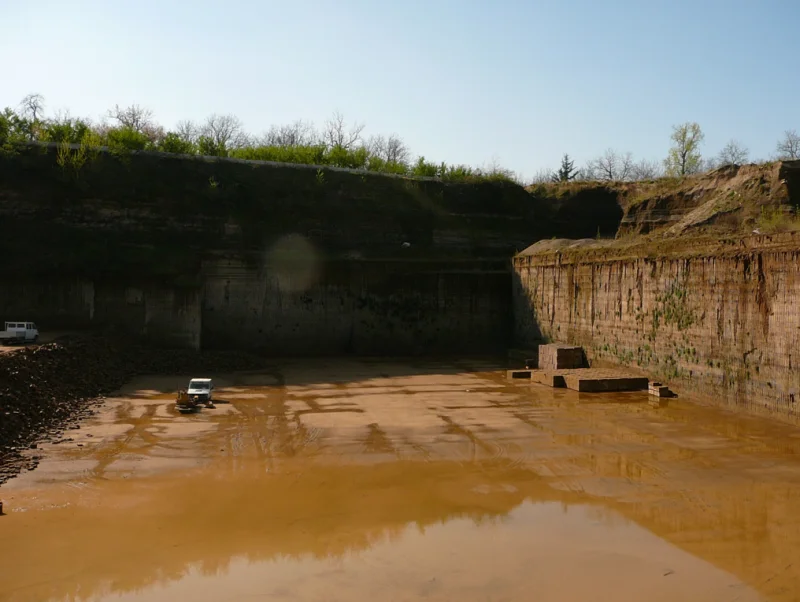
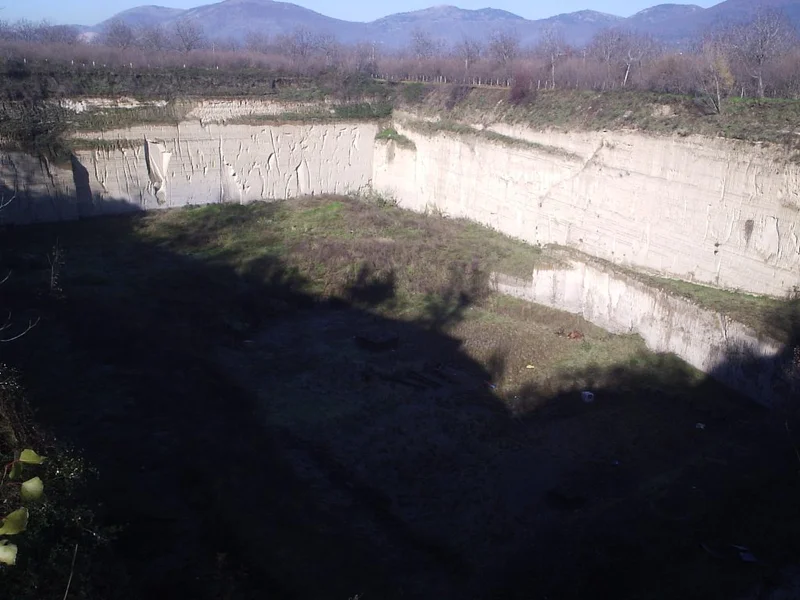
The region of Campania has undergone significant morphological changes, largely due to extensive human activity that began in the early to mid-20th century. This activity has led to notable alterations both on the surface and underground, primarily driven by the extraction of tuff products. The extraction efforts have resulted in open-pit quarries, underground cavities, and wells. Tuff, known for its ease of workability and favorable physical and mechanical properties, has been predominantly used as a construction material, making shallow extraction feasible. This raises the question: how does this relate to the Campi Flegrei?
Understanding the Structure of Campi Flegrei
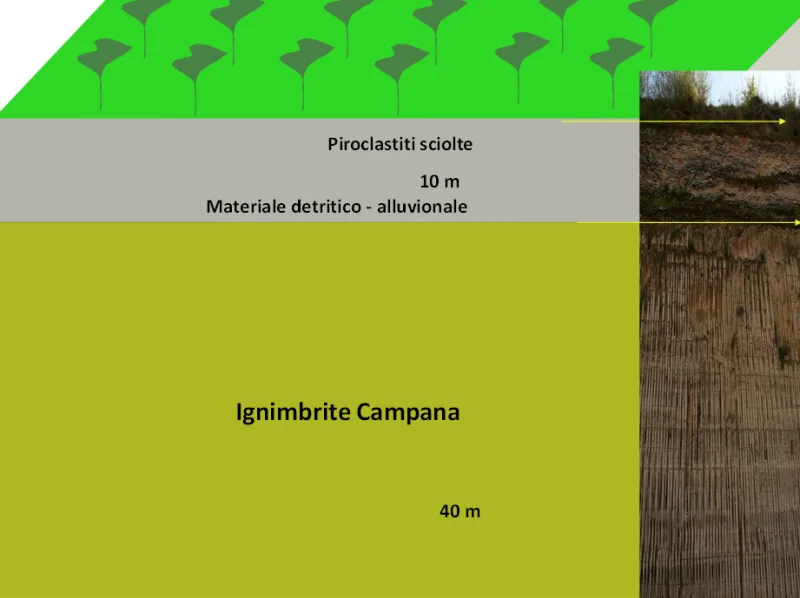
The Campi Flegrei volcanic district, located in the central part of the Campanian Plain, is characterized by a caldera structure that has hosted over seventy eruptive centers in the last 39,000 years. The current formation was created by the overlapping of two caldera collapses; the first, larger collapse is associated with the Ignimbrite Campana eruption, while the second occurred in the southwestern section during the eruption of the Tufo Giallo Napoletano. The deposits from the Ignimbrite Campana (IC), also referred to as Tufo Grigio Campano (TGC), are spread across the entire Campanian Plain, with thicknesses reaching several tens of meters [30; 50] m.
The Significance of the Eruption
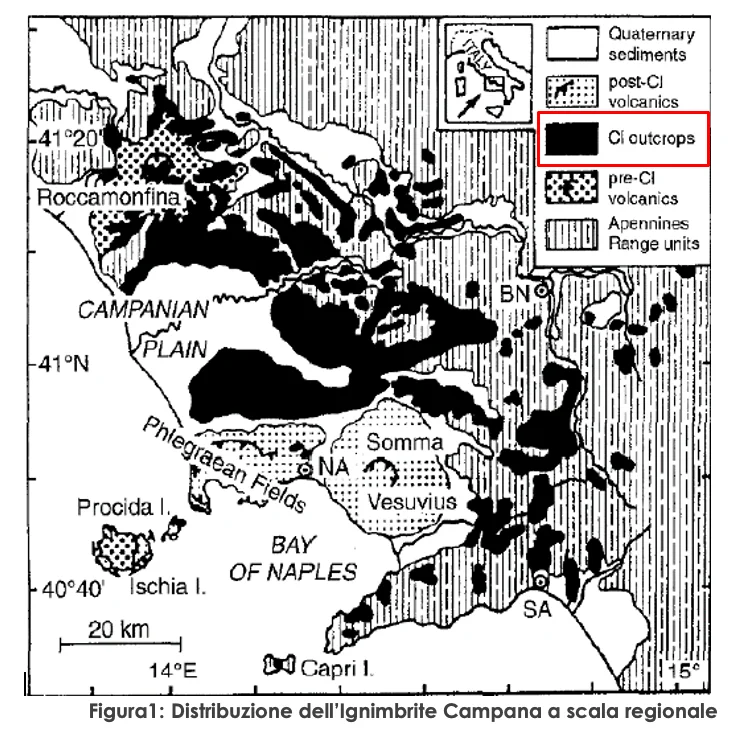
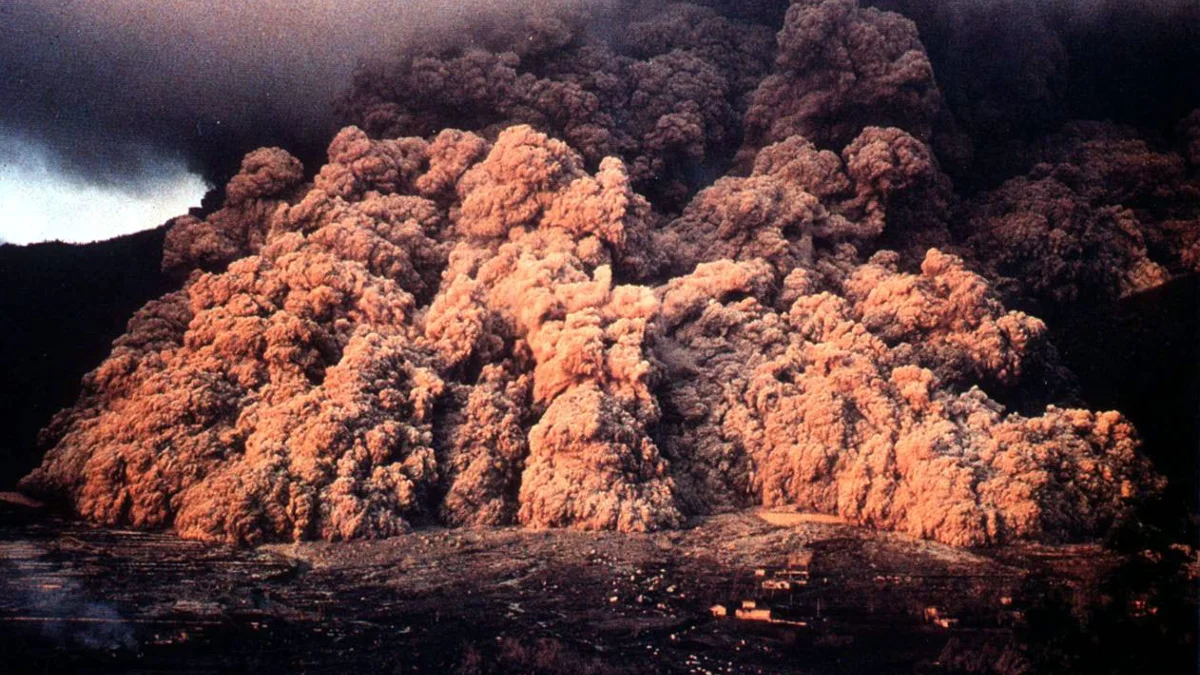
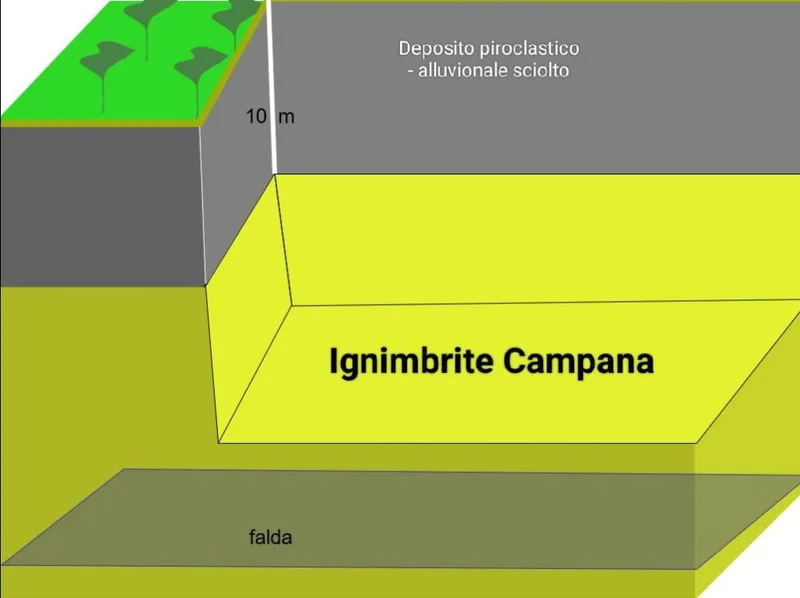
Approximately 39,000 years ago, the Ignimbrite Campana was released following an immensely powerful eruption (Rolandi et al, 2003). The pyroclastic flow expanded at high speeds and temperatures, covering vast distances and depositing material that fundamentally altered the landscape. Observing the accompanying images and diagrams related to various quarries, one can see that the topographical surface was raised dramatically, even by 50 meters. A new community would have settled on this elevated terrain, creating a significantly higher landscape. In comparison, the eruption of the Vesuvius in 79 A.D. seems relatively minor.
Sources:
- Orsi et alii, 1996,
- IC-39000 years,
- TGN; 12,000 years; Alessio et al., 1973,
- Rolandi et al, 2003