#cosmic phenomena
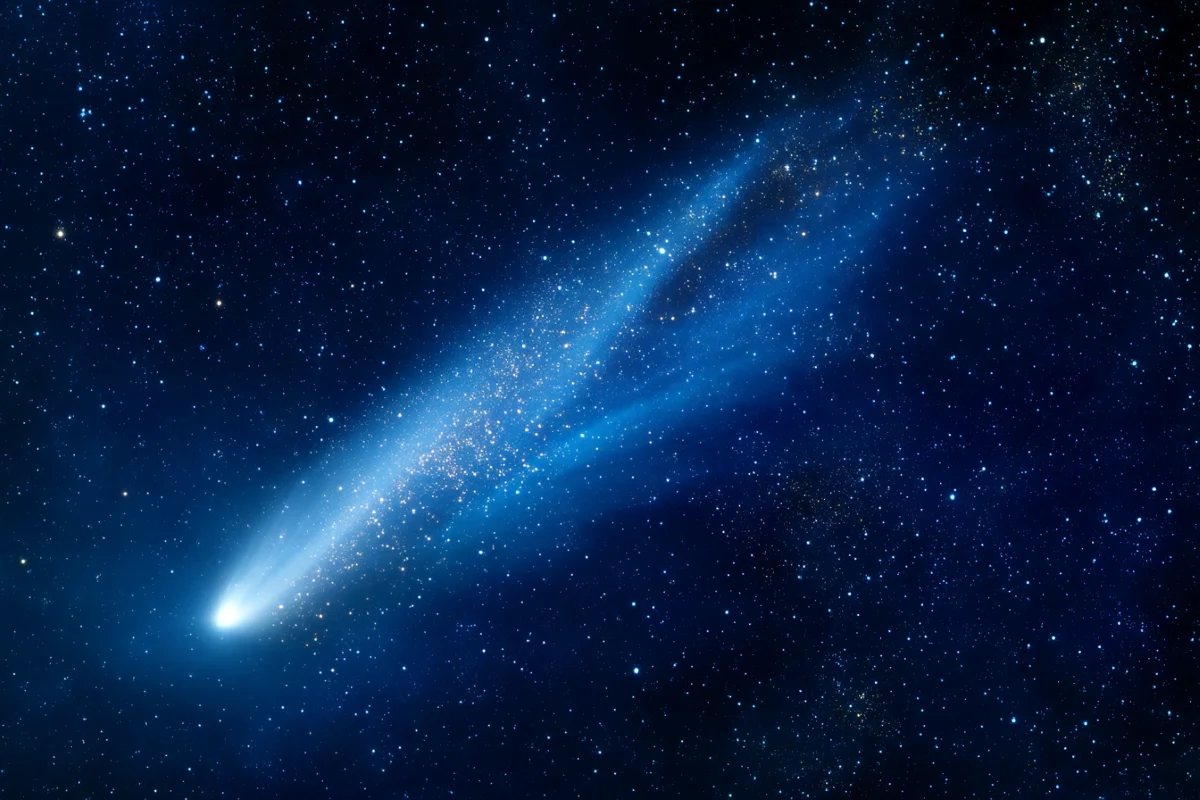
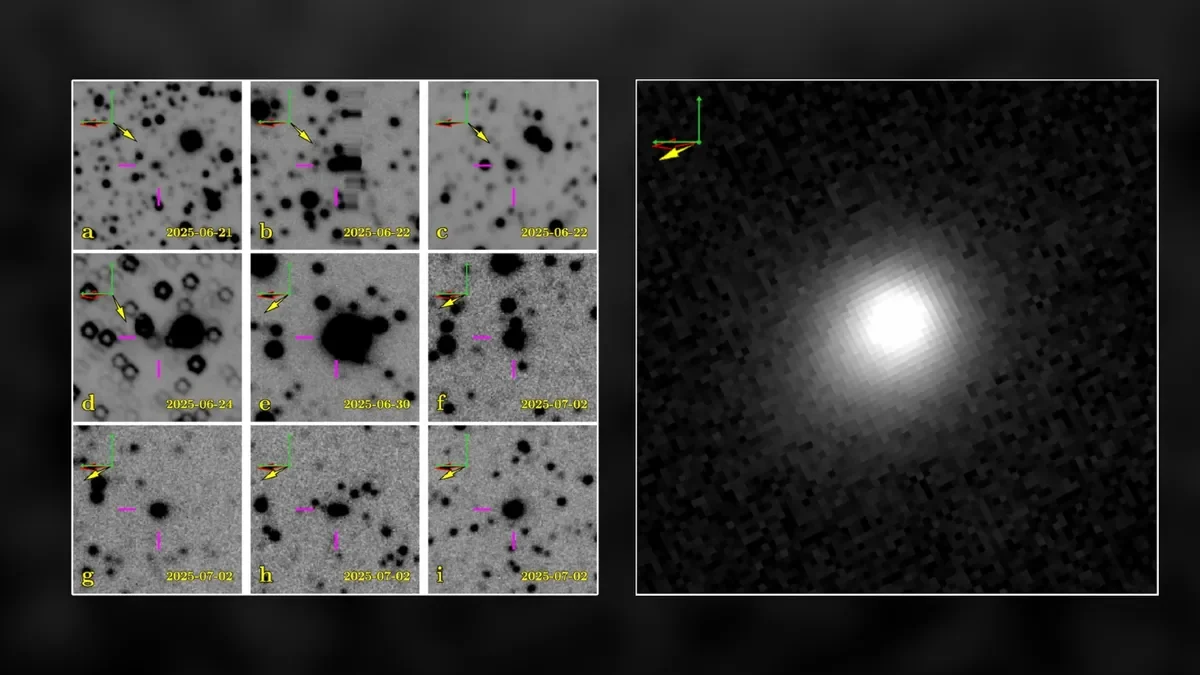
The interstellar comet 3I/ATLAS, discovered in 2025, is a unique cosmic visitor traveling at 210,000 km/h. Scientists are excited about its potential to reveal secrets about our solar system's origins.
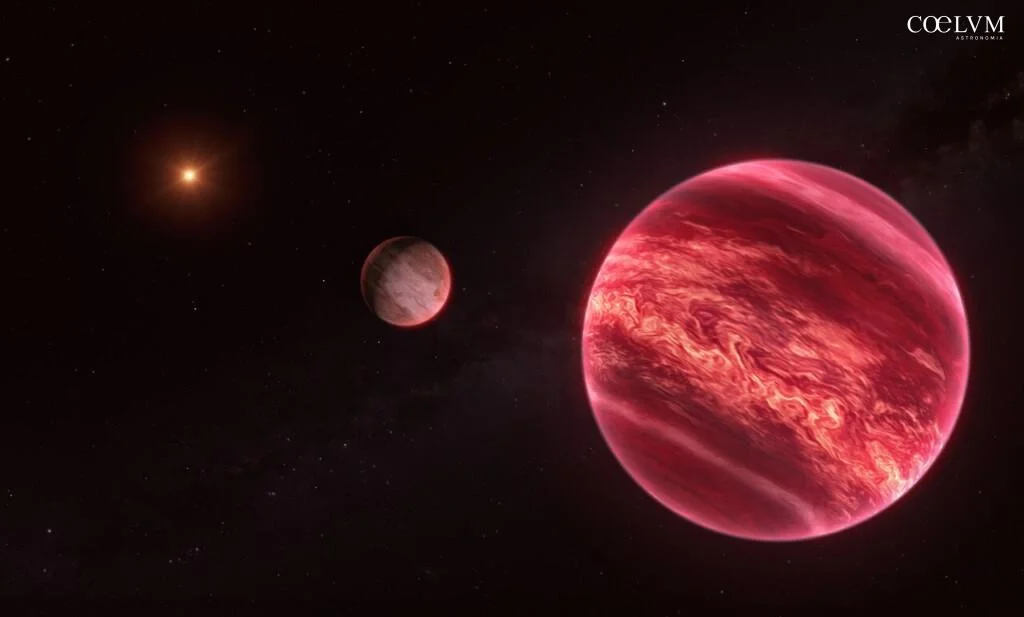
A celestial object has been discovered that is neither an exoplanet nor a moon, prompting discussions among astronomers about its unique characteristics and classification.
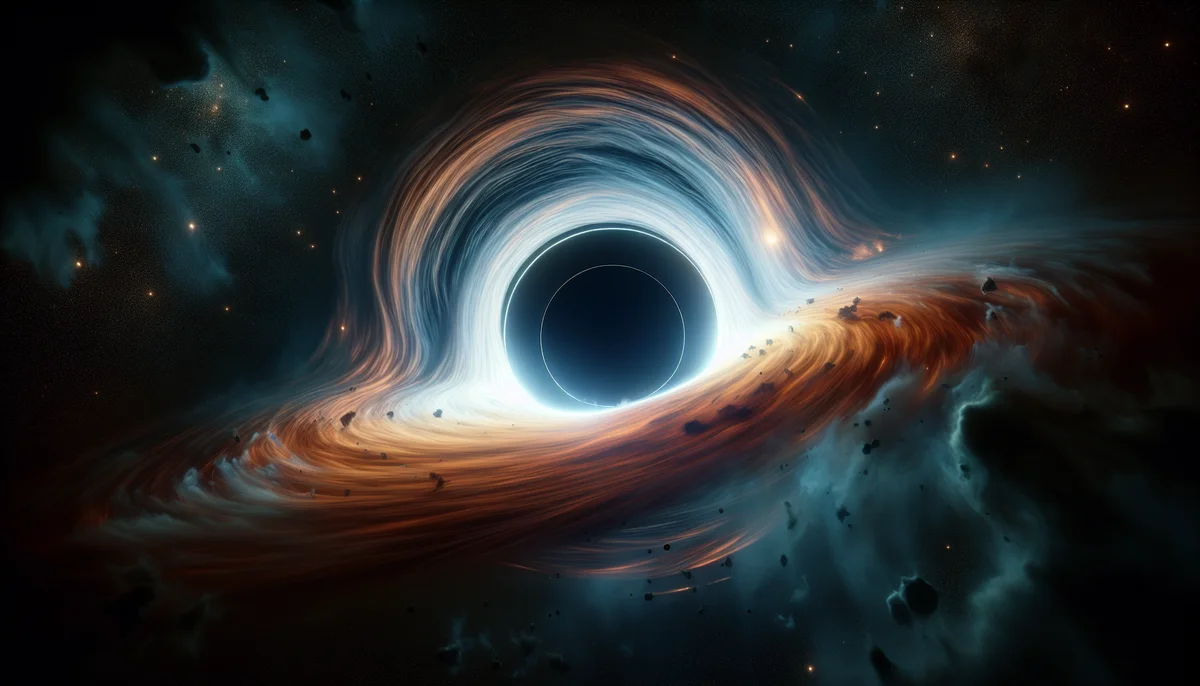
Explore the fascinating reality of black holes, their formation, types, and the methods astronomers use to detect them, revealing the mysteries of these cosmic giants.
Discover the fascinating world of black holes, cosmic entities with immense gravity that challenge our understanding of physics and the universe.
Discover the latest developments in space exploration and astronomy, including guides, videos, and community contributions.
Explore how to exaggerate a trivial problem in the context of space exploration and astronomy.
3I/ATLAS is the third interstellar object ever discovered. Detected on July 1, 2025, by the ATLAS telescope in Chile, it traverses our Solar System as a visitor from afar.
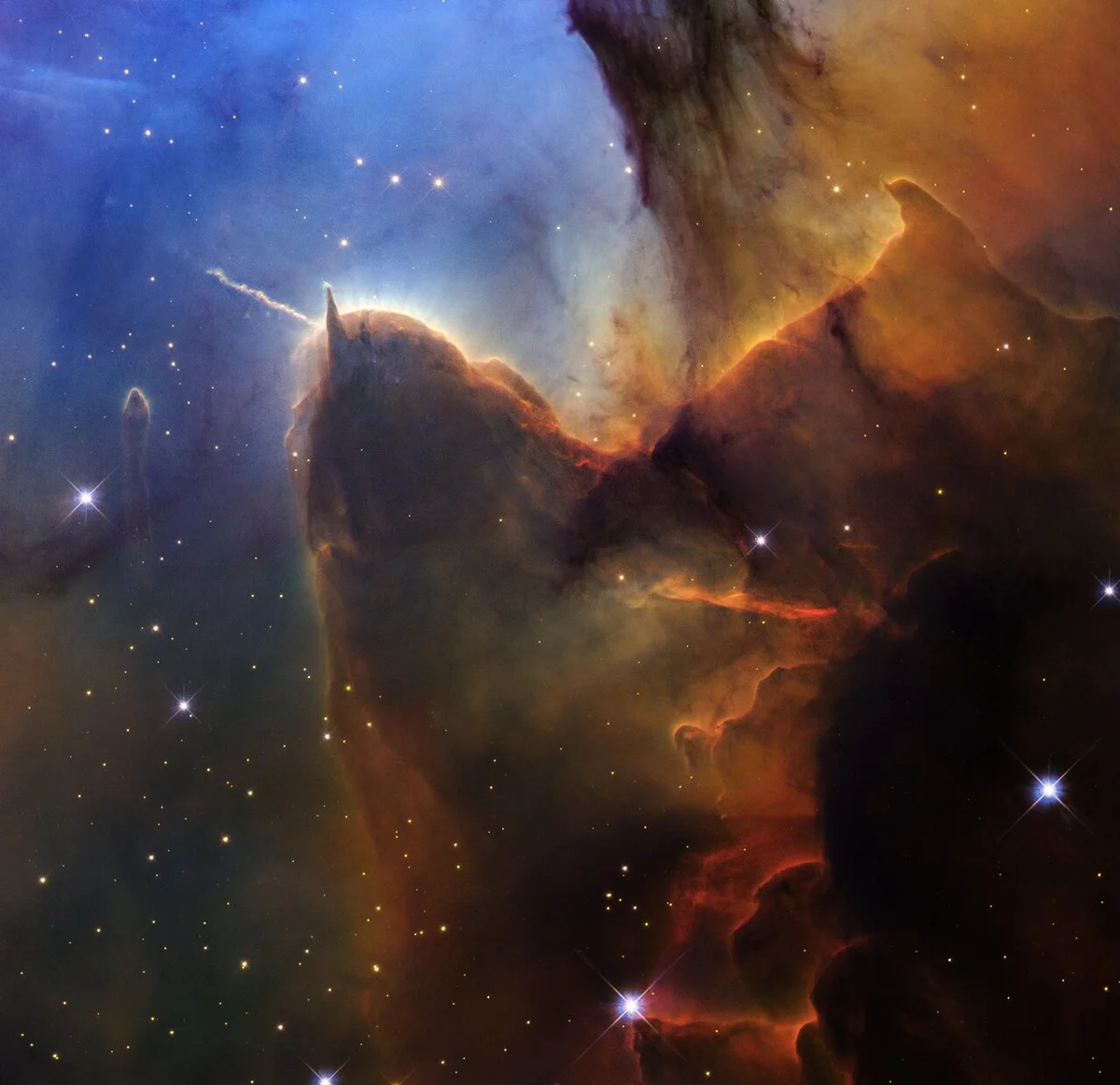
The Hubble Space Telescope of NASA/ESA has once again focused on a scene it first captured in 1997, in honor of its 36th anniversary: a small section of a star formation region in the constellation Sagittarius, about 5,000 light-years away, known as the Trifid Nebula.
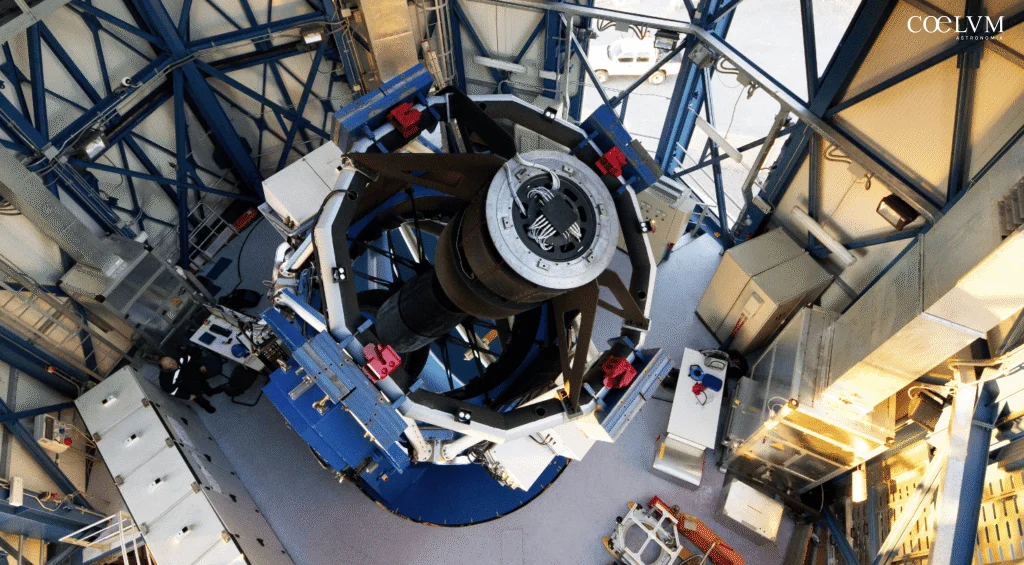
Explore the transient universe through the VST in collaboration with next-generation missions.
Access or register to continue reading. The content you are trying to view is reserved for registered users. To access, please log in with your account or register on the site.
Access or register to continue reading. The content you are trying to view is reserved for registered users. To access, please log in with your account Coelum Astronomia or register on the site.