
Ariadne No Longer Resides Here: A Tribute to Ruth Zenhäusern (1946-2016)
A heartfelt tribute to Ruth Zenhäusern, who profoundly influenced the author's life and work, highlighting their shared experiences and the impact of her creativity.
This is how I wish to title my tribute to you on the Labyrinth blog: 'Ariadne doesn’t live here anymore.' For you were an Ariadne, consistently providing me with the red thread through the labyrinth of life whenever it seemed lost.
Was this English title perhaps a bit pretentious? No, it is not. For you were as proficient in English as you were in French, Spanish, High German, and Swiss German (in the beloved dialect of Berndütsch). Our shared experiences with English music, particularly blues, were numerous. Our relationship began in the winter of 1976 in Basel with Otis Redding's 'Sitting on the Dock of the Bay' and Joe Cocker's 'With a Little Help from My Friends.' English songs were also part of our initial flirtations in Malente two months earlier, with John Lee Hooker's 'This is Hip' and many songs by Tina Turner and Peter Gabriel marking significant musical moments together, especially during Anoushka Shankar's concert on May 22, 2010, at Schloss Elmau.
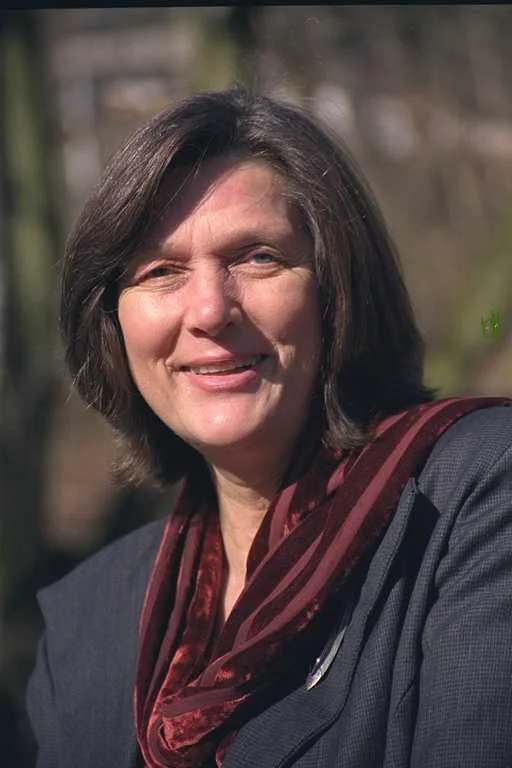
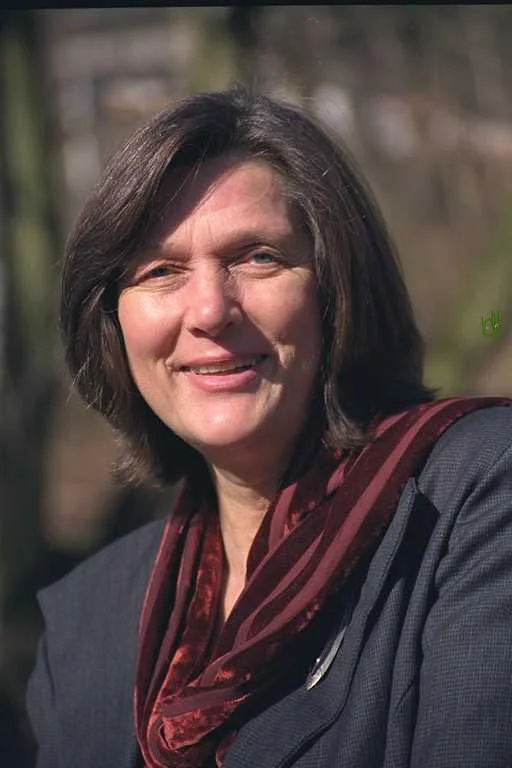 Abb.1: Ruth Zenhäusern (Photo © 2009: J. vom Scheidt)
“Only when people have left us do we begin to comprehend how they lived.” (Estelle Rodriguez)
In this blog, I have previously published several obituaries that hold significance for both the labyrinth theme and writing, including a memorial for Hermann Kern, who was pivotal in labyrinth research. I have also paid tribute to Jesco von Puttkamer, Hansruedi Gehring, and Wolfgang Jeschke, authors who were supportive companions for me. Now, it is my own wife that I mourn.
What does an obituary for my wife, reflecting on her life and death, have to do with the public format of a blog? Isn’t that too private? No, quite the opposite: No one in my life has ever been more integral to both the themes of my blog (the labyrinths and writing) than Ruth Zenhäusern, who passed away on February 21 after a long illness. I dare say that without her, this blog may never have come to fruition, as it has greatly benefited from her inspirations.
Without Ruth, I would never have discovered Bürchen in the Swiss Valais, where in 2002 I was able to create a true Cretan labyrinth on a—quite literally—sloping meadow. This experience was one of the most significant of my life: from idea to reality, or as we say today, from (imagined) virtuality to (created) reality. Without her, many writing ideas and workshops would not have come to fruition—she was the ideal partner in developing and leading our 'Münchner Schreib-Werkstatt' since 1979. The three-year Minotauros project focused on novel writing, which we conducted several times, also hinted at a deep connection to the labyrinth theme through its name. It should also be noted that she, an art therapist, not only created impressive paintings but also wrote enchanting texts, both serious and comically whimsical (such as her 'Lucy' stories from the perspective of a precocious little girl).
In the labyrinth of my own life, she was like Ariadne, providing the helpful red thread that guided me through it—this enigmatic thread, which may not have originally been red, but for me, it always was.
Coincidence: The Red Zora The youth novel The Red Zora was her favorite book. It was by chance that I discovered it in her bookshelf and thought to read it to her at her bedside. We had reached about the midpoint of the story when my wife passed away on February 21 of this year. What a strange coincidence to find that this novel tells the story of a 14-year-old girl whose father is murdered in a blood feud, followed shortly by her mother’s death. Brave, she navigates life without parents. While Ruth's parents remained with her for a long time, this Zora was a model for Ruth and how she bravely fought through her own life, with great diligence and creativity. The first chapter of the novel even describes the burial of a boy's mother, which initially disturbed me and almost made me stop reading. In the chapter I read the day before Ruth's death, a girl is mentioned whose father has recently died. Just a minor character in the novel—but another coincidence.
Now my wife has departed this world. I was unaware of the novel before, but I am grateful to have discovered it. Reading together was one last shared experience, a moment of 'sharing life,' as we had done for nearly forty years.
How many films did we enjoy together, in theaters or at home on Blu-ray? Puss in Boots, that delightful animated movie (with Antonio Banderas voicing the main character)—how we laughed about it! Ruth shared many aspects of her personality with that cat, not least her sense of humor. Or Scent of a Woman, featuring the impressive Al Pacino as a blind officer who wants to live life to the fullest before taking his own life (which he ultimately does not). Did Ruth draw inspiration for her painting of the Samba Dancer from this film, where a beautiful tango is celebrated as a touching highlight?
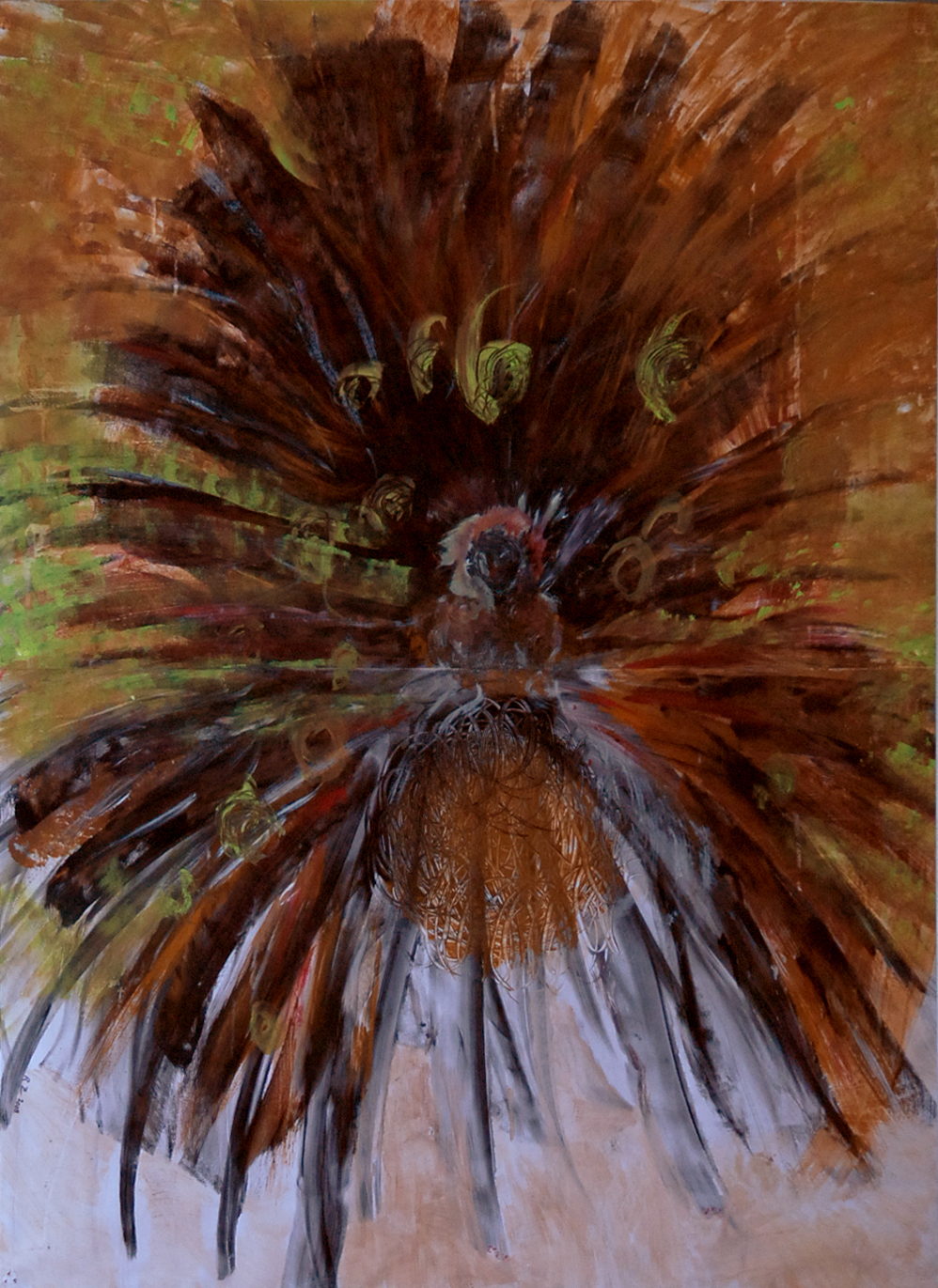 Abb.2: The Samba Dancer (Acrylic painting: © Ruth Zenhäusern 2008)
Many Commonalities – Many Differences – A Shared Life Our mutual interests included yoga (which we both practiced long before we met) and our love for blues music. We underwent group leader training in Theme-Centered Interaction (TCI) based on Ruth Cohn's approach, which later enabled us to conduct nearly a thousand writing seminars, many of them co-led. The idea for our Münchner Schreib-Werkstatt was developed together starting in 1979—the company name was coined by Ruth. Not long after we met, I visited Ruth in Zurich and persuaded her to watch the very first Star Wars film with me. Science fiction was not really her thing. In exchange, I had to attend a congress of the recently founded 'Organization for Women's Affairs (OFRA)' in Switzerland, where I felt rather out of place as one of the few men among hundreds of engaged young women—almost like being on a foreign planet (well, sort of). The rights of women and their equality were lifelong concerns for Ruth; she passionately advocated for these issues in our seminars, especially in her special women’s groups involving painting and writing. This helped me better understand this 'foreign planet.' Ruth was like 'the Red Zora in action' through her engagement. Her sensitivity to language is evident in many of her short stories, which she unfortunately never published, but enjoyed sharing in the workshops where they were created. Her Lucy stories were delightful, seen through the eyes of a precocious little girl, which can be understood as Ruth's alter ego.
She was a dual talent, no, a triple talent: besides writing and group leading, she was also highly skilled in painting, having completed a full training as an art therapist and using her theoretical and practical experiences not only in the groups but also in many striking personal artworks.
The Valais with its Four-Thousand-Meter Peaks Soon after we met, she gave me one of the greatest gifts: she introduced me to her father's homeland, the Upper Valais with its imposing four-thousand-meter peaks, which we explored on many hikes along the famous water conduits (Suonen) and on renowned high-altitude paths through various valleys. How fitting that the district of Bürchen-Zenhäusern was a hamlet bearing her family name on her father’s side (derived from 'to the houses'). There, we later conducted a highly sought-after workshop titled 'Hiking and Writing' every year.
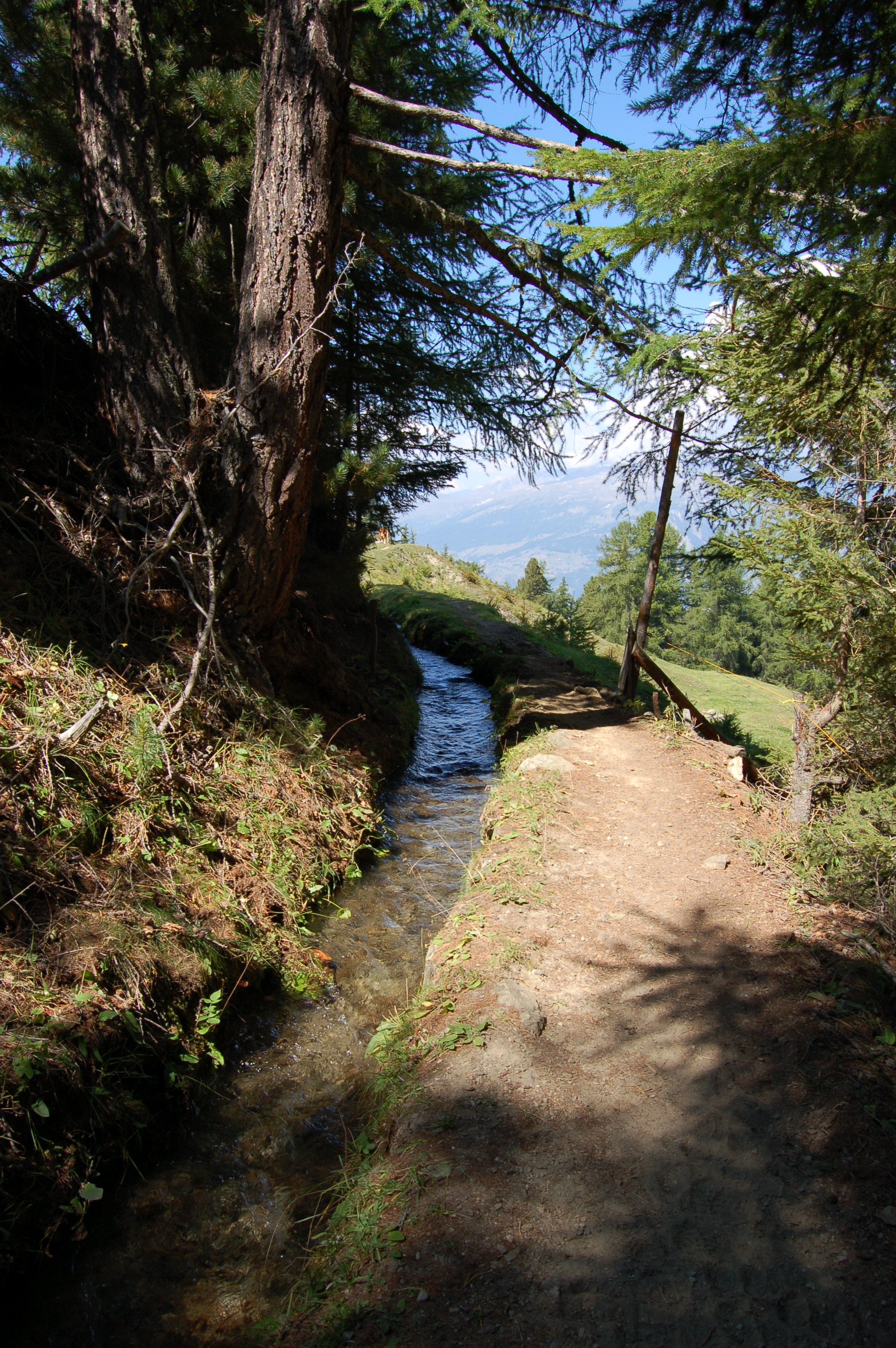 Abb.3: On the high path from Bürchen to Brandalp – along the water conduit – with a view of the Rhone Valley (Photo: © 2002 J. vom Scheidt)
Together, we laid out a literally 'sloping' Cretan labyrinth with about a thousand stones on a mountain meadow, which has since become part of the local landscape. 'Sloping' because this meadow is indeed quite steep on the hillside.
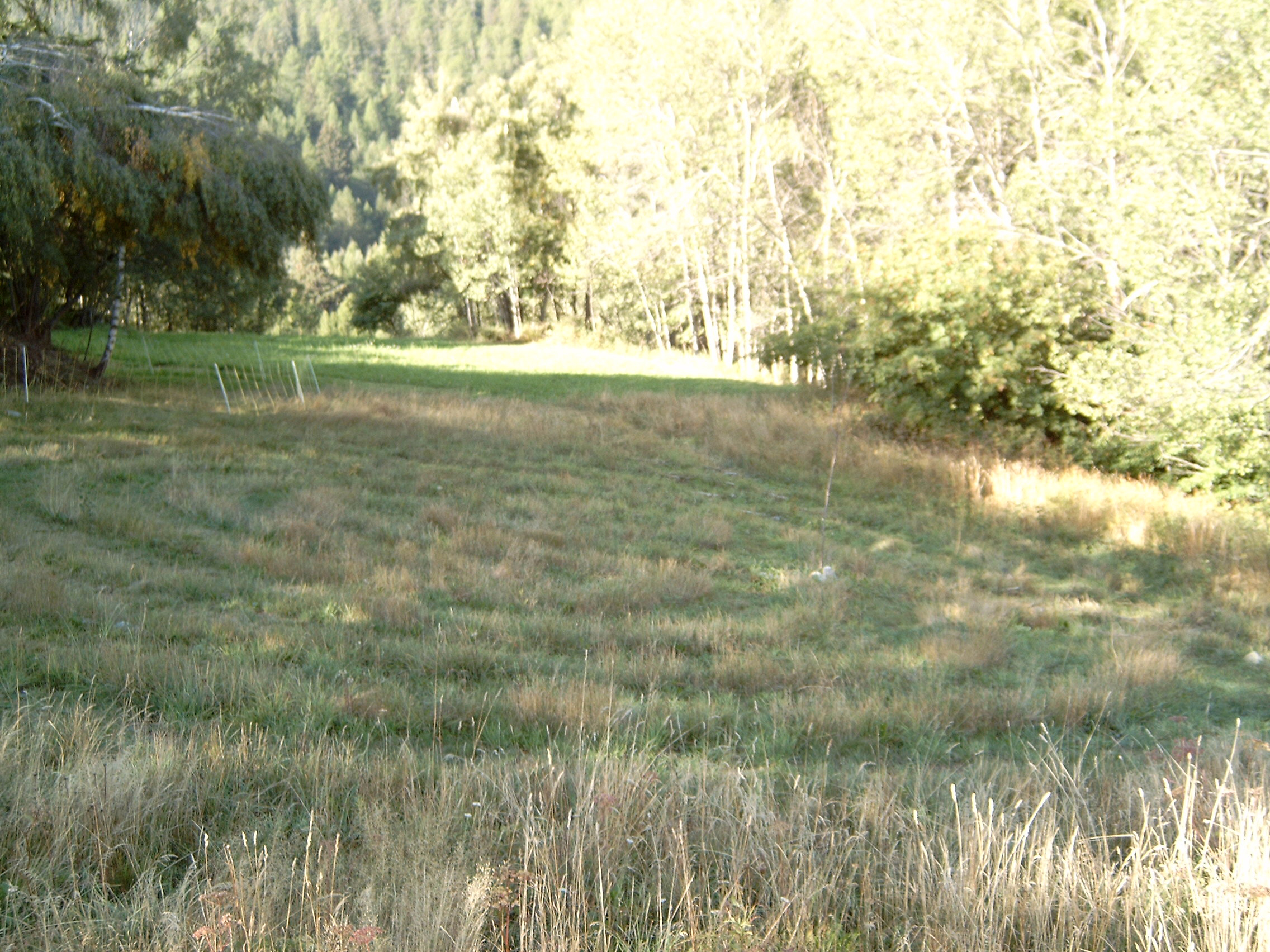 Abb.4: The Birch Labyrinth of Bürchen – once 'empty'… (Photo: © 2002 J. vom Scheidt)
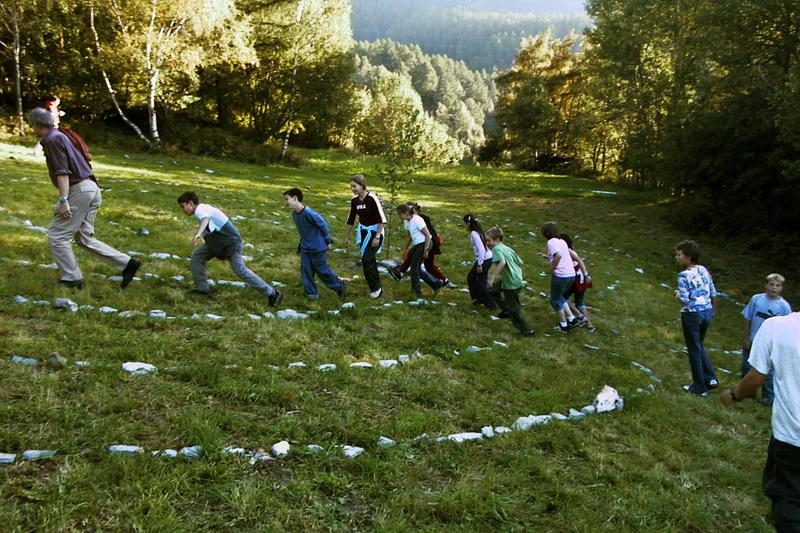 Abb.5: … and another time 'full,' in this case with schoolchildren during the inauguration on September 13, 2002 (Photo: © 2002 J. vom Scheidt)
As one follows the winding path of the labyrinth, the view constantly shifts, presenting new breathtaking sights, such as that of the near-four-thousander Bietschhorn.
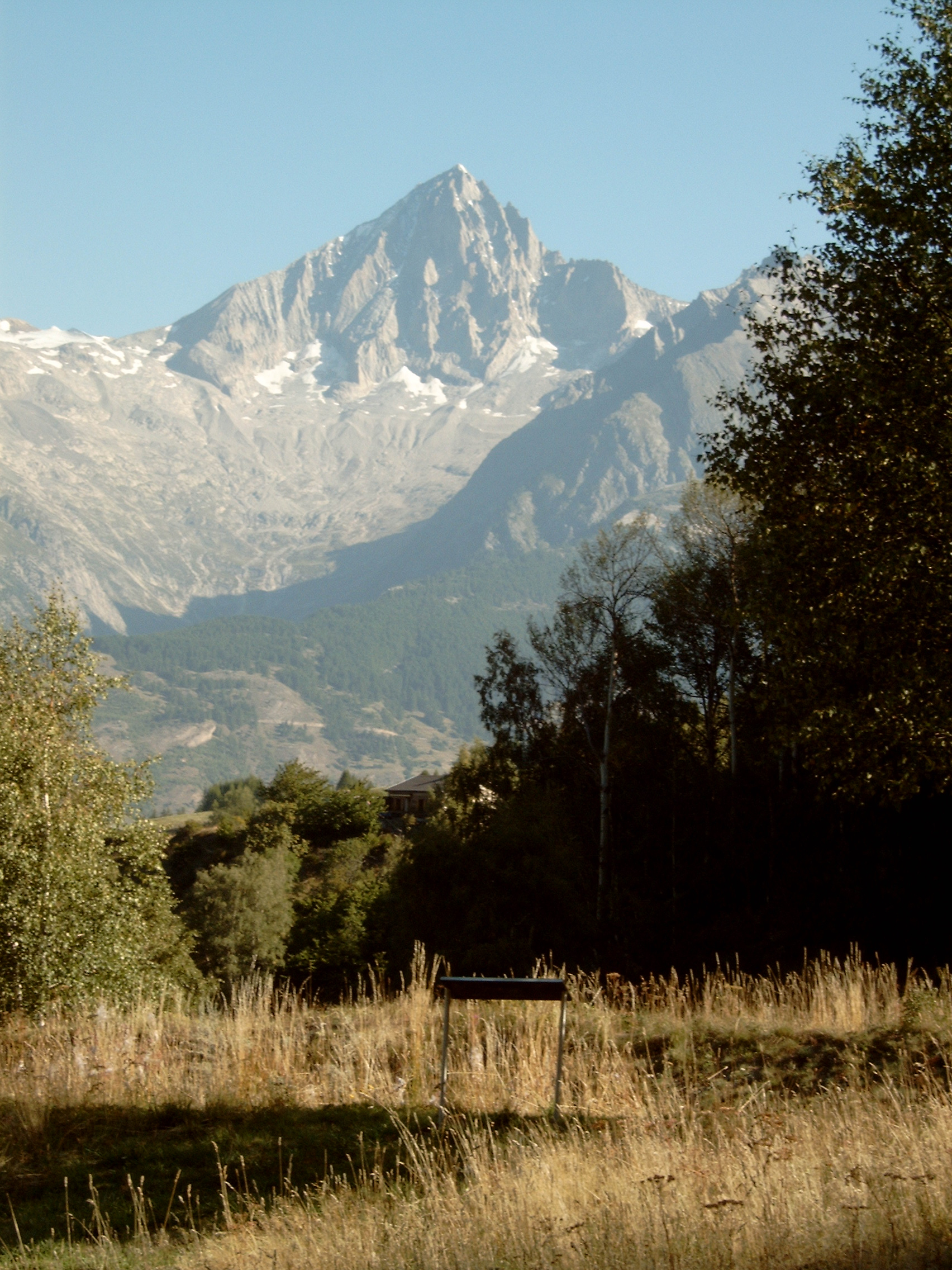 Abb.6: View from the Birch Labyrinth towards Bietschhorn (Photo: © 2002 J. vom Scheidt)
This labyrinth was certainly 'my thing'—but without Ruth, it would never have come into being. How often have we walked through this Birch Labyrinth of Bürchen, you and I together, you and I alone, always with our gaze on the magnificent Bietschhorn.
 Abb.7: Ruth 2002, writing in front of Bietschhorn (Photo: © 2002 J. vom Scheidt)
Our shared life was essentially a labyrinth as well. Initially a maze where we often lost our way, it gradually transformed into a straightforward labyrinth where one cannot get lost. For me, you were like that Minoan princess Ariadne, who possessed a wondrous red thread that always allowed the way to be found. Traditionally, this thread is said to have no color—but for me, it was always red, symbolizing the love between two people, as well as the dangers, the monstrous Minotaur lurking in life (which ultimately struck so treacherously at the end). Yet another strange coincidence: The next village on the same plateau is Unterbäch. And what does Wikipedia note about this place?
Unterbäch is also called the 'Rütli of Swiss women' because on March 3, 1957, the first Swiss vote with women's participation took place there. The local council decided to allow women to participate in a federal ballot on the extension of civil protection obligations to women (the proposal was rejected nationwide with 52 percent of votes against). Katharina Zenhäusern (1919–2014) was the first Swiss woman ever to cast a ballot in a Swiss voting urn. Her husband, the mayor and member of the cantonal parliament, was supportive of this initiative.