Towards EAS 2026: Lausanne Hosts the European Astronomy Gathering
In less than two weeks, Lausanne will host the European Astronomical Society Annual Meeting (EAS 2026), the largest event dedicated to astronomical research in Europe.
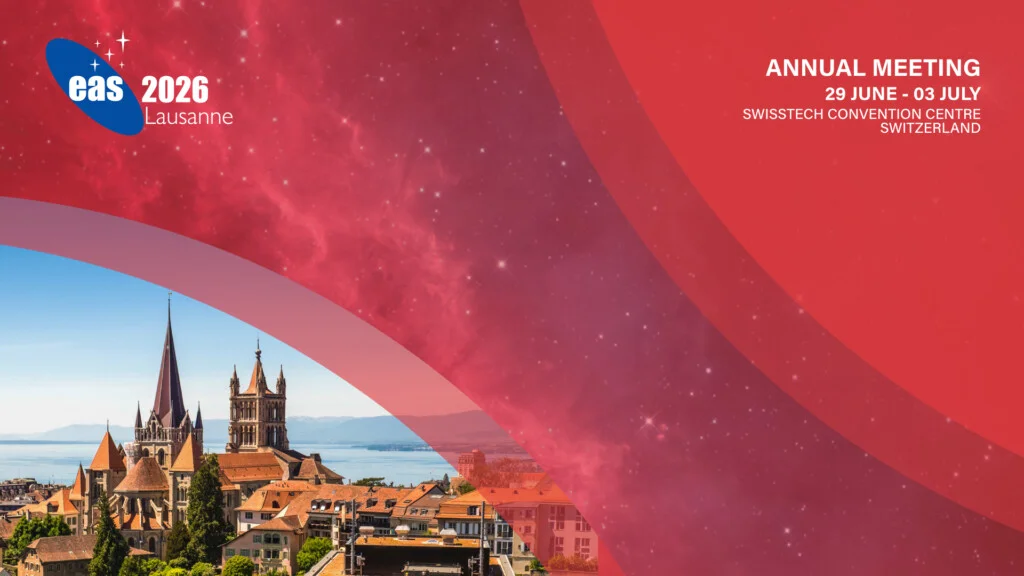
In less than two weeks, the Swiss city of Lausanne will host a new edition of the European Astronomical Society Annual Meeting (EAS 2026), the largest annual event dedicated to astronomical and astrophysical research in Europe.
Table of Contents
- What is EAS
- The 2026 Edition
- Italy at the Helm of EAS
What is EAS
The foundation of the European Astronomical Society, established in 1990 in Davos (Switzerland) to promote progress and cooperation in the field of astronomy, led to annual meetings initially named JENAM (Joint European and National Astronomy Meeting). Their natural evolution resulted in the editions of EWASS (European Week of Astronomy and Space Science) and finally the EAS Annual Meeting, which represents the current designation.
The 2026 Edition
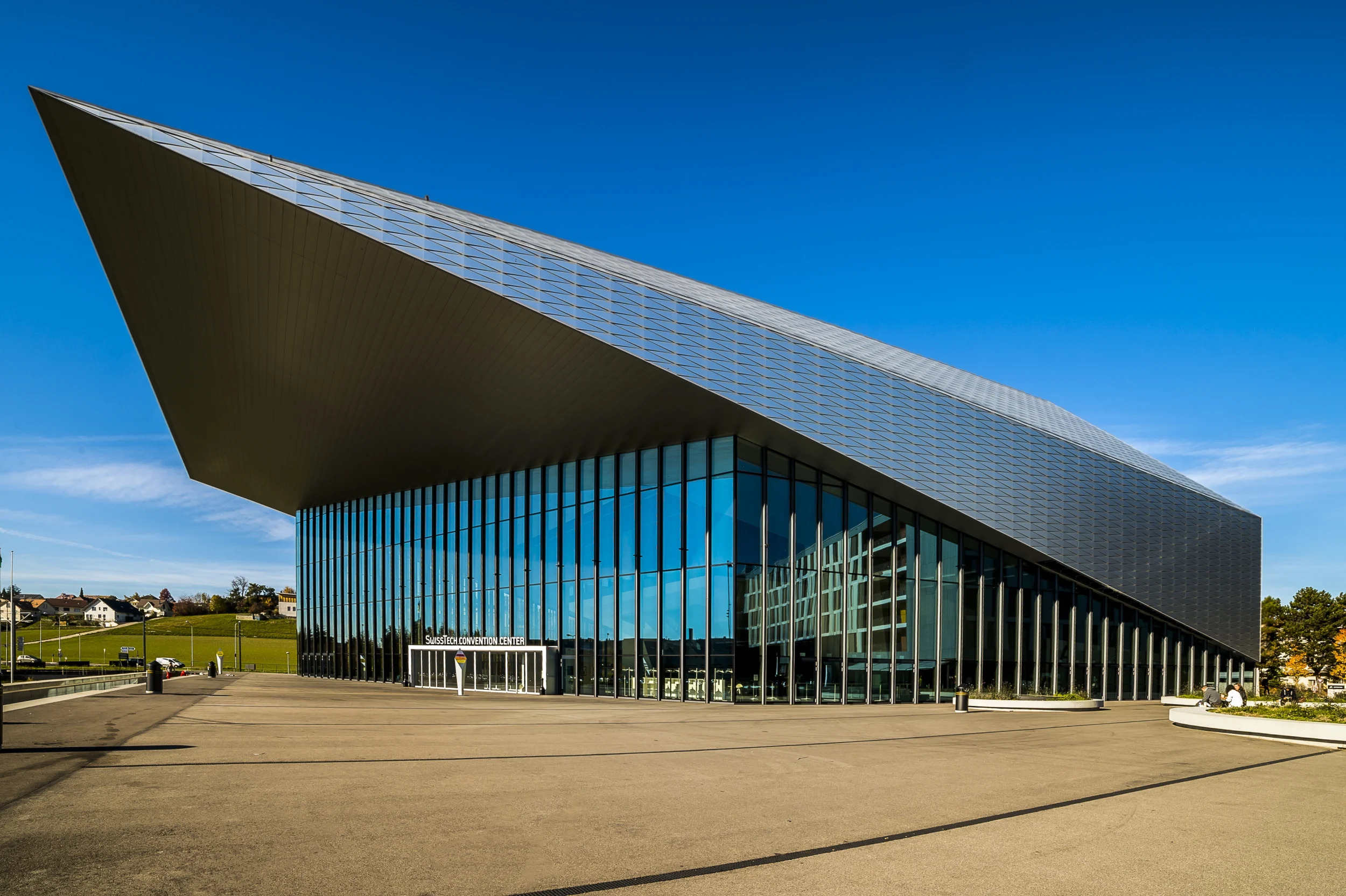
Hosted at the SwissTech Convention Center – within the campus of the prestigious École Polytechnique Fédérale de Lausanne – from June 29 to July 3, the 2026 edition will bring together over 1,200 researchers from around the world for five days of discussions on the most current topics in astronomy.
Each day of the conference will be structured into fourteen parallel sessions, taking place simultaneously in various rooms of the convention center. This particularly complex structure will allow for a wide range of scientific topics to be covered over the five days of the meeting, alternating specialized sessions with plenary talks and poster presentations. Overall, the scheduled presentations will address fifteen different thematic areas:
- AI and data science
- high energies and black holes
- astrochemistry
- stellar astrophysics
- cosmology
- diversity and well-being
- exoplanets and planetary formation
- galaxy evolution
- general
- interstellar medium
- space missions and instrumentation
- gravitational waves
- Solar System
- development and outreach
- Milky Way
The event will take place in hybrid mode: alongside in-person participation, it will also be possible to follow the plenary sessions and symposia remotely – either synchronously or by consulting the recordings later – as well as view ePosters; other activities, such as special sessions and “lunch sessions,” will remain reserved for participants present in Lausanne.
Italy at the Helm of EAS

This year, Italian astronomy will again play a prominent role in the context of the congress. Leading the European Astronomical Society since 2024 – first as interim president until 2026 and then confirmed until 2030 – is Italian astrophysicist Sara Lucatello, a researcher at the Astronomical Observatory of Padua (INAF) engaged in the study of stellar populations in the Milky Way.
Her election reflects the significant contribution that the Italian astronomical community continues to make in European research, both within the bodies that coordinate international activities and collaborations and on the scientific front. Alongside the institutional role of the President, numerous Italian researchers will also be present in the conference program, contributing across various thematic sessions.
Further organizational information and the complete conference program, including the list of talks and posters scheduled, can be found on the official event website.