The German CanSat Competition 2025-26: A Launch Campaign in Bremen
The German CanSat Competition 2025-26 brought teams to Bremen for a week of presentations and rocket launches, culminating in a successful launch at Rotenburg airfield.
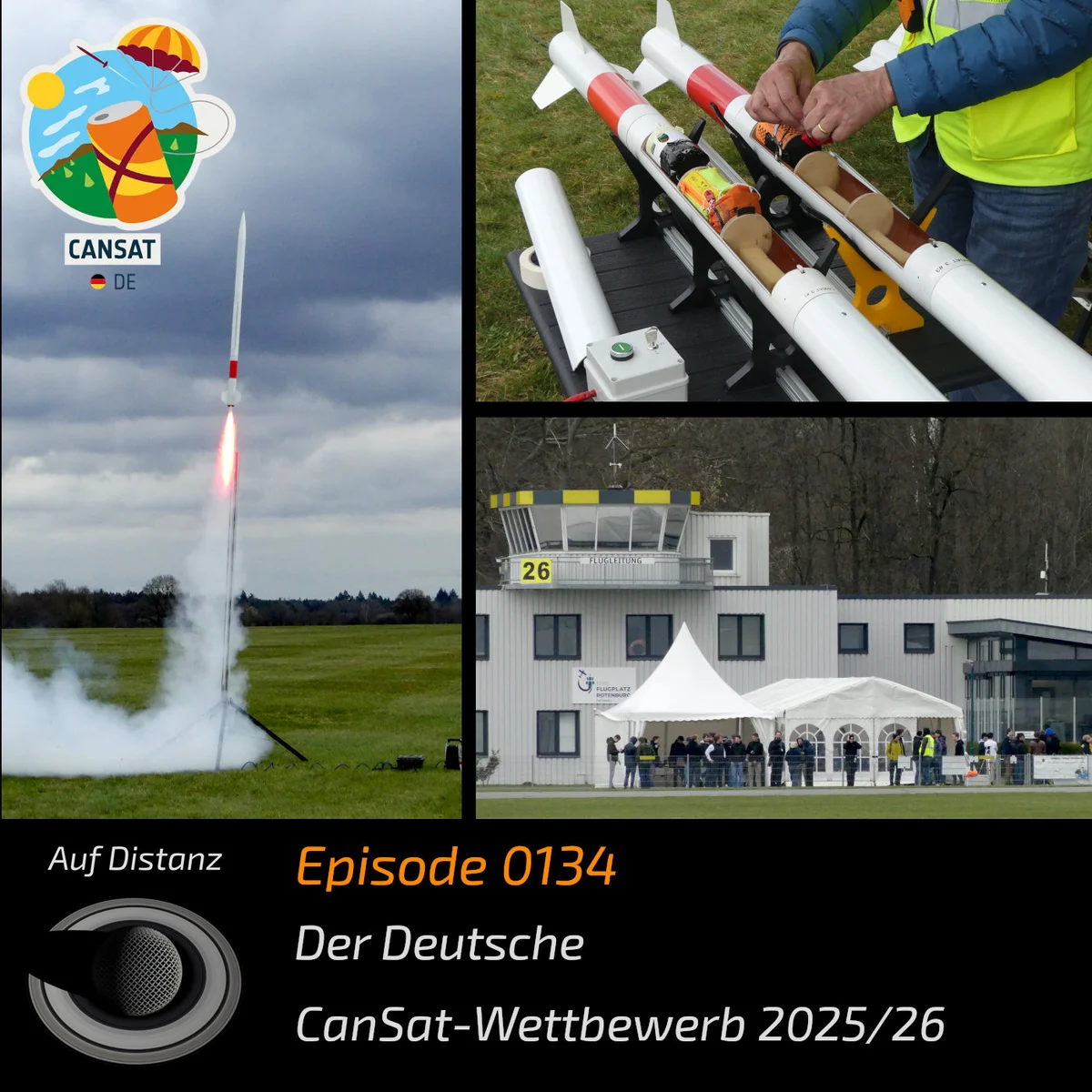
The German CanSat Competition has once again taken flight, with teams gathering from March 9 to 13, 2026, in Bremen. Over five days, participants presented their projects and prepared their CanSats for launch. The highlight of the event was the rocket launch at the Rotenburg (Wümme) airfield, a tradition that marks the culmination of the competition.
Voices from the Event
Throughout the event, I had the opportunity to engage with various teams, as well as members from the organizing committee and jury. Notable figures included:
- Mark Rackles, Senator for Children and Education of the Free Hanseatic City of Bremen
- Stefan Thürey, a former ESA employee
- Christian Siegmund, responsible for the technical approval of the CanSats and the launch day proceedings, affiliated with Bremen University of Applied Sciences (HSB)
- Volker John, mentor for Team DeltaV and German SOFIA ambassador for schools
- Dr. Dirk Stiefs, head of the DLR_School_Lab Bremen
Overview of the German CanSat Competition
The German CanSat Competition provides a platform for students to engage in space science and engineering. The event encourages innovation and teamwork, as teams develop their CanSats—miniaturized satellites that simulate the functions of real satellites.
Participating Teams
The launch campaign featured several teams, each bringing unique projects:
- Team „AeroSat“
- Team „ALTUS3002“
- Team „DeltaV“
- Team „ECHO“
- Team „ENTEN“
- Team „GRACE“
- Team „Odyssey“
- Team „PHOENIX“
- Team „Polaris“
- Team „Zetrons“
These teams showcased their CanSats and engaged in discussions about their designs and objectives.
Acknowledgments and Future Endeavors
As we look ahead, I express my gratitude to everyone who supported this podcast financially, including Ralph Juergen, Sebastian, Franz, Sven, Sascha, Peter, Clemens, Martin, Tobias, Karl-Matthias, Stephen, Norbert, Markus, and Dennis. Your contributions are invaluable.
In upcoming episodes, we will delve into more exciting topics, including the ESTEC Open Day 2025 and the final touches on episodes covering MAPHEUS 15.
Conclusion
This year's German CanSat Competition not only showcased the ingenuity of young minds but also highlighted the importance of collaboration and education in the field of space exploration. With each launch, we move closer to inspiring the next generation of scientists and engineers.