3D Printed Human Cartilage in Orbit: Space Bioprinting Revolutionizes Regenerative Medicine!
There is something profoundly strange, almost paradoxical, about the idea that the answer to one of the world's most common orthopedic problems, a worn knee, a damaged meniscus, could come from a place reachable only by rocket.
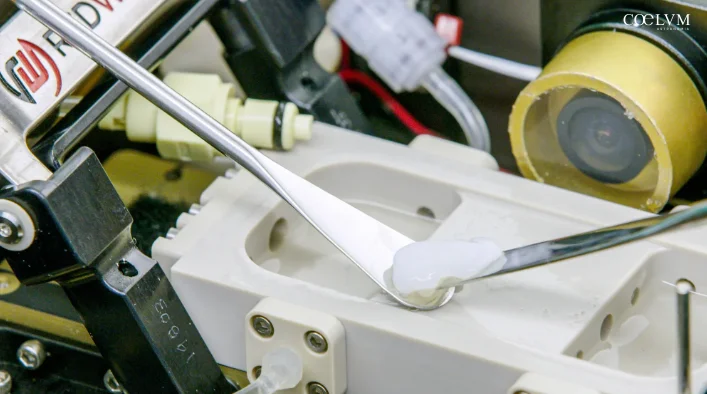
There is something profoundly strange, almost paradoxical, about the idea that the answer to one of the world's most common orthopedic problems—a worn knee, a damaged meniscus, cartilage that creaks with every step—could come from a place reachable only by rocket, four hundred and fifty kilometers above our heads, while outside the window the sunlit continents flow by. Yet this is exactly what is happening: on June 4, 2026, NASA astronaut Jessica Meir and ESA astronaut Sophie Adenot stood side by side inside the Kibo module of the International Space Station and did something that just a few years ago would have seemed like a beautiful science fiction movie: they prepared samples of cartilage cells, mixed them with a special “bio-ink,” and inserted them into a 3D bioprinter to produce living human tissue in space.
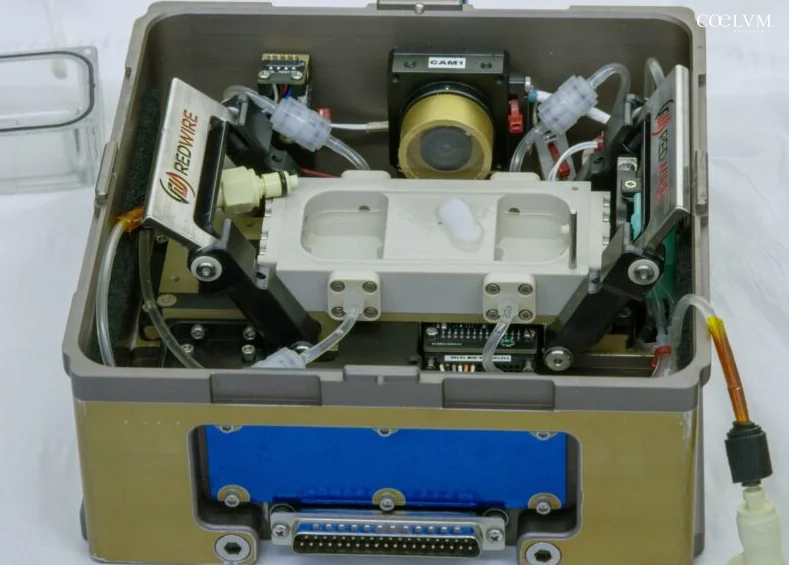
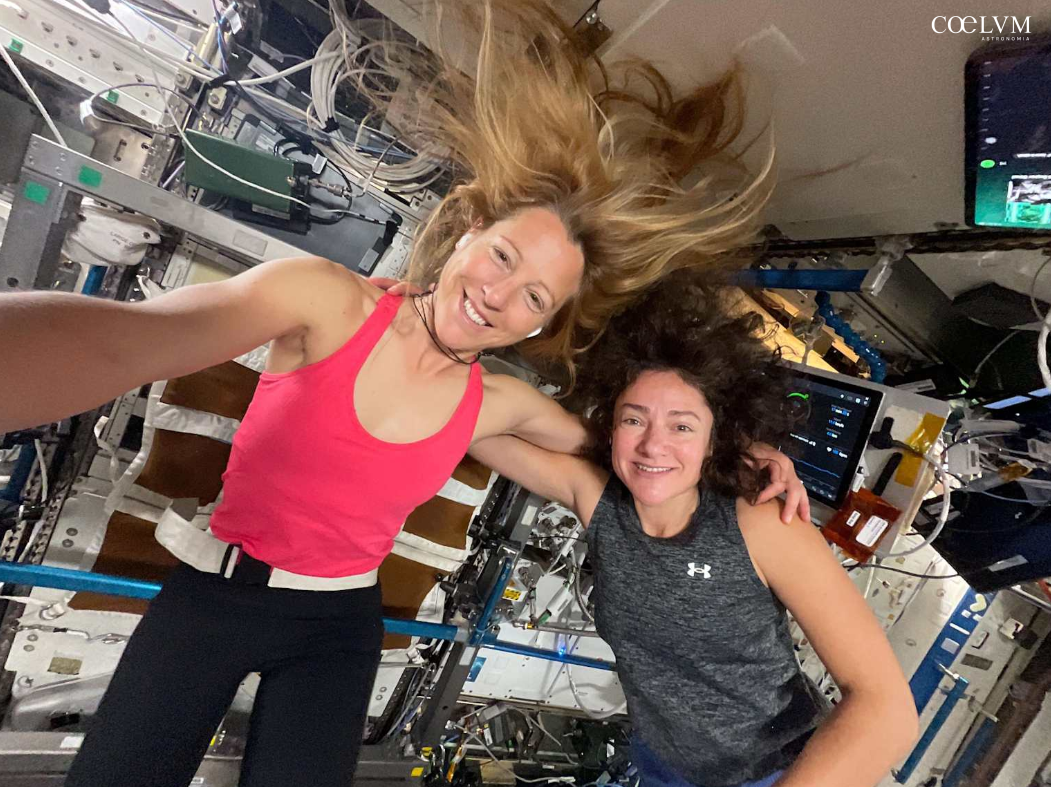
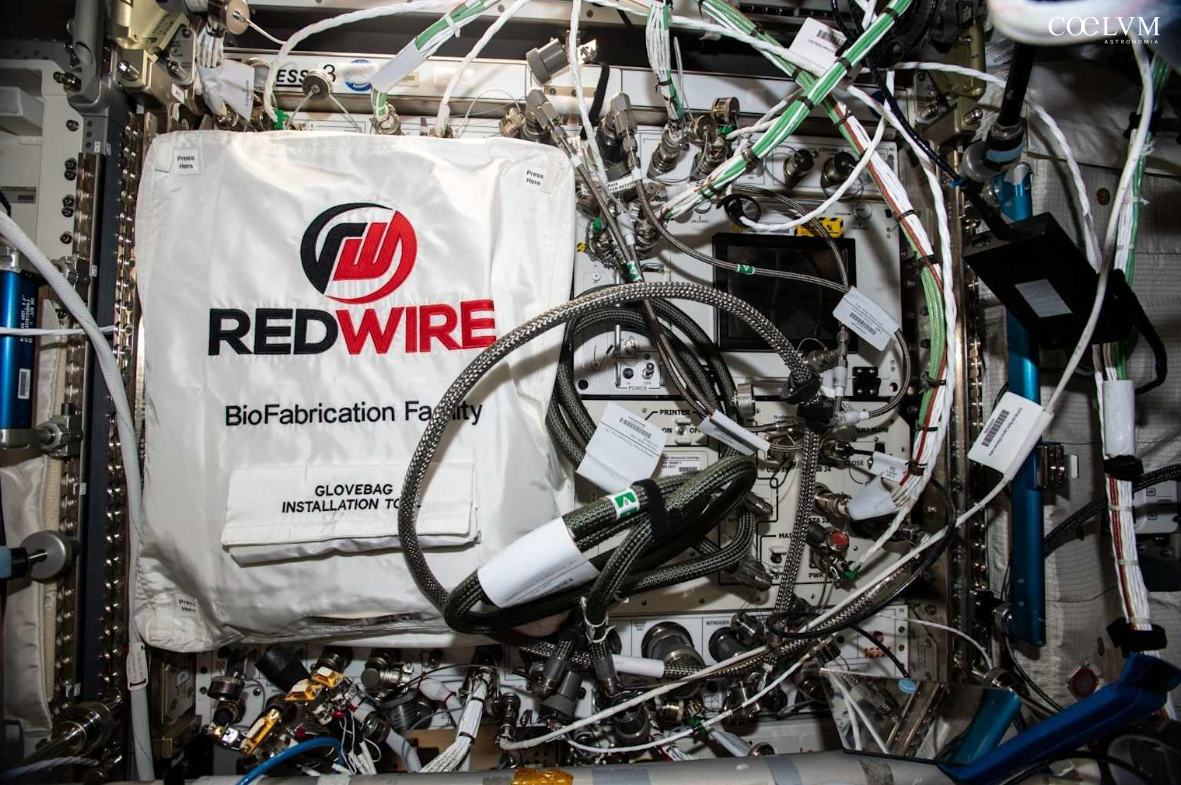
The device that made all this possible is called the BioFabrication Facility (BFF), developed and operated by Redwire Space, and it is not just any machine, but a sophisticated bioreactor capable of printing living cells, both human and animal, and conditioning them to mature into functional tissue before returning to Earth for analysis. This is not the first time the BFF has been used in orbit, as it was brought on board in its first version in 2019 and in an updated version in 2022; it has previously successfully printed cardiac tissue and a knee meniscus (2023), the first ever made in microgravity with an anatomically relevant shape. However, each new session refines a technology that could radically revolutionize regenerative medicine in the most imaginable way. It is worth pausing on this detail for a second: Jessica Meir is the same astronaut who participated in the first all-female spacewalk in history in 2019 and has since continued to be a protagonist in moments that will go down in history; Sophie Adenot, a French ESA astronaut selected in 2022, is on her first long-duration mission and finds herself doing things that no one has ever done before, which, if you think about it, is a nice description of what it truly means to work on the Space Station.
But why print cartilage on the International Space Station? The reason for doing it there, rather than comfortably in a terrestrial laboratory, is not an engineering whim or a record-setting experiment: it is pure physics, and it is a physics that benefits everyone (and I say this as a physics student, so yes, I am biased... but this time it is objectively true!). On Earth, freshly printed biological structures tend to collapse under their own weight before the cells have time to bond and solidify; in microgravity, however, they simply do not feel that force, and the tissue can grow and maintain its three-dimensional shape much more faithfully to the original geometry, without the need for artificial scaffolding that often interferes with the biological process. Experiments already conducted have shown that the meniscus printed on the ISS had excellent cellular distribution within the structure, a result comparable to the best samples produced on Earth but with the concrete possibility of achieving more complex, intricate geometries that are closer to those of the human body.
The difference between what is possible on Earth and what can be done in space is subtle but crucial: it is the difference between a rough cast and a custom implant, built with the patient's own cells, in the exact shape of the tissue that needs to be replaced.
The implications of all this go in two opposite but equally fascinating directions. On one side, there is the future of space medicine: in a mission to Mars, where there are no orthopedic surgeons on standby or banks of biological tissue, being able to print an implant on demand directly aboard the spacecraft could make the difference between completing a mission and an emergency return that would nullify years of preparation and billions in investments. On the other side, there is terrestrial medicine, the one for all of us, the one with waiting lists in public hospitals and patients waiting for a compatible donor who may never arrive: the techniques developed on the ISS could one day allow for the production of personalized implants for millions of people suffering from osteoarthritis, meniscal injuries, or other cartilage-related conditions that currently have no truly satisfactory solutions. The same session on June 4 also saw Meir engaged in the cultivation of blood stem cells, which are growing inside an incubator in the Kibo lab with the goal of helping doctors develop therapies for blood cancers and immune diseases. Because the Space Station, after all, is never just one thing: it is always, simultaneously, a biology lab, a testing ground for future engineering, and a silent bet that humanity makes on itself every day, while we are down here looking at the sky without realizing that up there, toward the stars, there are infinite possibilities.